
From the General Assembly to Harlem: Mandela’s call to action endures
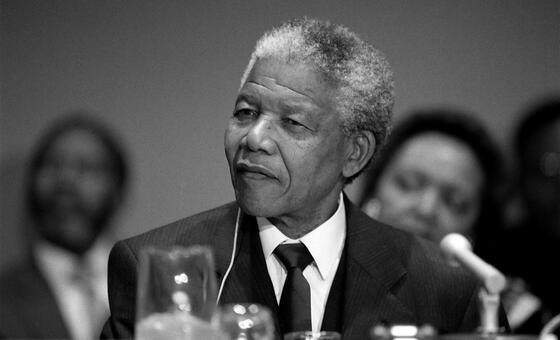
From the General Assembly to Harlem: Mandela’s Call to Action Endures
Qinilo.com – On a sweltering day in July 2026, the echoes of Nelson Mandela’s transformative vision resonated in both the United Nations General Assembly and the vibrant streets of Harlem. The event in Harlem, where volunteers spent 67 minutes preparing meals for those battling hunger, was a deliberate nod to Mandela’s 67 years of tireless public service. This symbolic alignment underscored his enduring influence, as his ideals of unity, justice, and collective responsibility continue to inspire action across the globe. The phrase From the General Assembly to Harlem encapsulates the bridge between international diplomacy and grassroots activism, highlighting how Mandela’s legacy transcends borders and time.
The UN’s Reflection on Mandela’s Legacy
As the United Nations commemorated Mandela International Day, a critical question loomed: what enduring responsibilities does Mandela’s legacy demand of us today? This inquiry became the focal point of discussions at the General Assembly, where delegates grappled with the persistent challenges of poverty, inequality, and systemic injustice. The event served as a reminder that Mandela’s principles—rooted in empathy, dialogue, and transformative change—remain as relevant now as they were during his lifetime. His work, which spanned decades of struggle and reconciliation, laid the groundwork for a world where global leaders are urged to prioritize human dignity over short-term gains.
Secretary-General António Guterres, speaking through his Chef de Cabinet Courtenay Rattray, emphasized Mandela’s insight that human choices are the core of societal challenges. “The world’s most profound struggles originate from decisions we make,” Rattray stated, urging modern institutions to shift their focus from reactive policies to proactive solutions. This perspective challenged attendees to rethink their priorities, particularly the stark imbalance between funding for development and expenditure on military conflicts. Mandela’s call to action, therefore, is not merely historical—it is a clarion call for contemporary societies to embrace a more equitable future.
Harlem: A Living Testament to Mandela’s Ideals
While the General Assembly debated policy, Harlem’s meal service offered a tangible embodiment of Mandela’s vision. The initiative, organized by local volunteers, mirrored the 67 minutes spent on food preparation, symbolizing the long-term commitment required to address hunger and inequality. This grassroots effort, rooted in community collaboration, reflected Mandela’s belief in the power of collective action. As Shaffiou Assoumanou, representing Mayor Mamdani’s office for International Affairs, remarked, “History will not judge us by the words we speak, but by the actions we take.” The event demonstrated how small, localized actions can align with global movements, reinforcing the idea that justice is a shared responsibility.
The connection between the UN’s formal observance and Harlem’s informal efforts extended beyond mere symbolism. Tlhabi’s narrative of Mandela as the “Inconvenient Mandela”—a figure who refused to compromise during his imprisonment—was a powerful reminder of the courage needed to challenge systems of oppression. Her speech, delivered during the day’s keynote, linked Mandela’s defiance to modern diplomatic dilemmas, such as the ongoing stalemate in reforming the UN Security Council. By highlighting the importance of taking risks for justice, she urged leaders to embody the same tenacity that defined Mandela’s life.
“He never asked his oppressed to accept injustice,” Tlhabi argued. “He demanded the world confront it.”
This sentiment echoed through the halls of the General Assembly, where delegates were challenged to reflect on their own roles in perpetuating or dismantling inequity. Mandela’s legacy, as envisioned in the phrase From the General Assembly to Harlem, serves as a blueprint for integrating international dialogue with on-the-ground efforts. It is a reminder that progress is not confined to summits or treaties—it is forged in the everyday acts of compassion and resistance.
As the event in Harlem concluded, the broader implications of From the General Assembly to Harlem became clear. Mandela’s principles, once a beacon for global peace, now inspire local initiatives that combat hunger and inequality. By connecting the UN’s high-level discussions to Harlem’s community-driven actions, the message was unambiguous: the fight for justice requires both institutional and individual commitment. In a world still grappling with divisions, Mandela’s enduring call to action remains a vital guide for those seeking to build a more inclusive future.