
Deadly Afghanistan floods kill at least 26 as aid agencies race to reach survivors
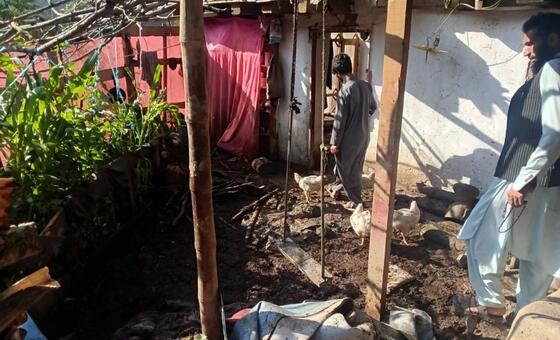
Deadly Afghanistan Floods Kill at Least 26 in Eastern Provinces
Qinilo.com – Deadly Afghanistan floods kill at least 26 people after torrential rains triggered catastrophic flash flooding across eastern regions of the country. The mountainous province of Nuristan bore the brunt of the disaster, recording twenty-three deaths. Emergency responders are actively searching for missing individuals as entire neighborhoods, commercial areas, and critical transportation corridors were swept away by powerful floodwaters.
The United Nations Office for the Coordination of Humanitarian Affairs (OCHA) confirmed that the flooding, which began on July 20, also claimed three Afghan refugees living in a transit camp near the Torkham border crossing with Pakistan. Nine additional people sustained injuries at that location during the devastating event.
Parun City Suffers Catastrophic Damage
Parun City, the administrative center of Nuristan province, experienced the most severe destruction when a sudden surge of water struck approximately 3pm local time. Residential quarters and business districts were completely overwhelmed by the deluge.
Initial damage assessments reveal that twenty-two homes were completely destroyed while forty-five others suffered severe structural damage. Transportation and infrastructure suffered considerably as well, with four bridges, six road segments, irrigation channels, and flood defense walls all sustaining significant harm. These damages have made it difficult for communities to access one another.
Humanitarian Response Accelerates
Olga Cherevko, representing OCHA from Kabul, provided an update to UN News regarding the extensive damage. She noted that homes, bridges, roads, water networks, irrigation systems, and local livelihoods have all been impacted by the extreme weather.
The immediate priority right now is to save lives and reach people who may still be missing or injured. But as the waters recede, the needs will extend well beyond the initial emergency response.
Families whose homes have been destroyed or damaged will need shelter and essential household items, while damage to water and irrigation systems risks affecting access to safe drinking water and livelihoods.
Approximately one thousand families lost access to clean drinking water when the local supply network was compromised. Agricultural concerns also emerged as ten hectares of farmland were affected, threatening livelihoods in this remote region of Afghanistan.
Rescue Operations Face Ongoing Challenges
Humanitarian operations have faced additional challenges, with NGO warehouses, vehicles, offices, and equipment reportedly damaged. Reports indicate one NGO employee remains unaccounted for.
Search-and-rescue missions continued through Tuesday, while mobile medical teams, emergency food supplies, and medical equipment were being distributed. Officials warn that the death toll may increase as more details emerge.
UNICEF and partner organizations are establishing a field clinic in Parun to deliver trauma care and emergency medical treatment to flood victims.
Regional Impact and Recovery Outlook
Outside Nuristan, the Torkham border crossing experienced temporary disruptions to movement between Afghanistan and Pakistan. Floodwaters also harmed shops, livelihood installations, and the protective wall surrounding a refugee repatriation compound where humanitarian organizations assist returning Afghan refugees.
Laghman Province, a neighboring area, saw primarily agricultural land and irrigation systems damaged, with no residential structures reported as affected at the time of the latest evaluation.
OCHA has identified several critical needs including emergency shelter, food aid, clean water, hygiene products, medical care, psychosocial support, and household necessities for displaced families.
Three inter-agency teams are scheduled to commence comprehensive needs assessments as responders work to determine the full extent of the disaster and pinpoint communities requiring urgent help.
Difficult terrain, compromised roadways, and restricted access to isolated mountain settlements are complicating relief efforts. Humanitarian organizations are also tracking weather forecasts that predict additional rainfall, which could generate further flooding in the coming days while simultaneously hindering rescue operations and slowing the delivery of aid supplies.