
Thousands prevented from returning home to southern Lebanon
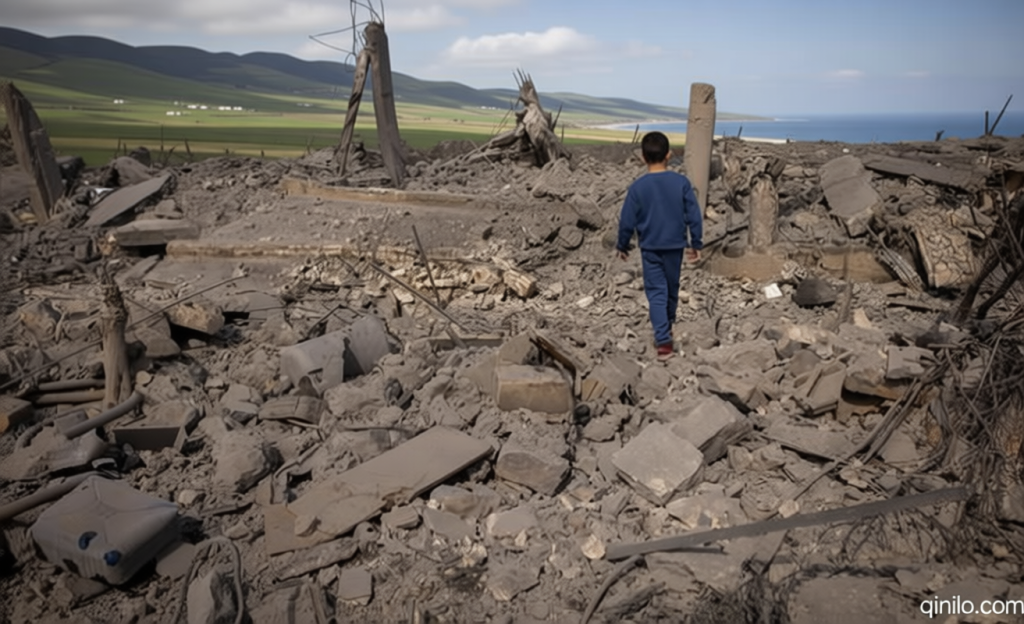
Displaced Families Face Barriers to Returning to Southern Lebanon
Qinilo.com – Months of ongoing hostilities have left countless Lebanese households struggling to access basic necessities, including medical facilities and housing. According to independent specialists designated by the UN Human Rights Council, ordinary citizens are suffering a “devastating and disproportionate toll” from the violence.
These authorities highlighted that residential structures have been demolished, several municipalities isolated, and numerous southern communities remain difficult to reach. Consequently, numerous individuals who fled their neighborhoods cannot yet go back.
Casualties and Displacement Numbers
Since March 2, official figures indicate over 4,300 fatalities, encompassing 392 female victims and 253 young ones. Additionally, more than 12,000 individuals have sustained injuries during the fighting.
The humanitarian impact has fallen particularly hard on women and children. Experts estimate that approximately 620,000 females and girls have been forced from their residences since hostilities intensified in March. This figure includes roughly 16,000 expectant mothers.
Protection Obligations and Humanitarian Concerns
Many families are reportedly delivering babies in cramped temporary accommodations because medical centers and maternity wards either suffered damage or closed entirely. This situation leaves mothers and infants without crucial support.
“Evacuation is an exceptional and strictly temporary measure. It may only be used to protect the safety of civilians or for imperative military reasons, not to depopulate and occupy areas,” the specialists stated, emphasizing that moving populations should serve solely as a short-term solution for civilian protection.
The authorities further noted that residents “have the right to return voluntarily and safely to their homes once the circumstances justifying their displacement have ceased.”
Forced relocation has increased vulnerability to mistreatment and violence among women and girls. Simultaneously, damaged healthcare infrastructure has deprived numerous individuals of vital reproductive and maternal services, according to the experts.
Concerns have also emerged regarding white phosphorus deployment within populated zones. This chemical agent can produce serious burns, breathing complications, and prolonged health problems, especially affecting children and pregnant women.
“The protection of civilians, including women and girls, in times of war is not optional for any warring party,” they declared. “It is a legal obligation that must be urgently upheld.”
All concerned parties were urged to respect international humanitarian law, safeguard non-combatants, and facilitate safe returns for those displaced by combat when circumstances permit.
These independent specialists function autonomously from governmental bodies and international organizations. They do not receive compensation for their duties and are not employed as UN personnel.