
Climate alarm ‘blaring from every direction’
Global Climate Emergency Deepens as Catastrophes Multiply Worldwide
Qinilo.com – The world is witnessing an unprecedented escalation in climate-related disasters, with one senior United Nations official characterizing the situation as reaching “nightmare proportions.” This urgent warning, delivered on Tuesday, underscores how interconnected and severe environmental challenges have become across all continents. The phrase “climate alarm blaring from every direction” has become a defining metaphor for our current planetary crisis.
UN Climate Change Executive Secretary Simon Stiell provided a comprehensive assessment of the mounting emergency. His powerful statement captured the moment’s critical nature: “The climate alarm is blaring from every direction.” As global temperatures continue their upward trajectory, Stiell emphasized that both human suffering and economic devastation are accelerating toward national emergency levels. This climate alarm blaring from every direction signals that immediate action cannot be delayed.
Unprecedented Disasters Strike Multiple Continents
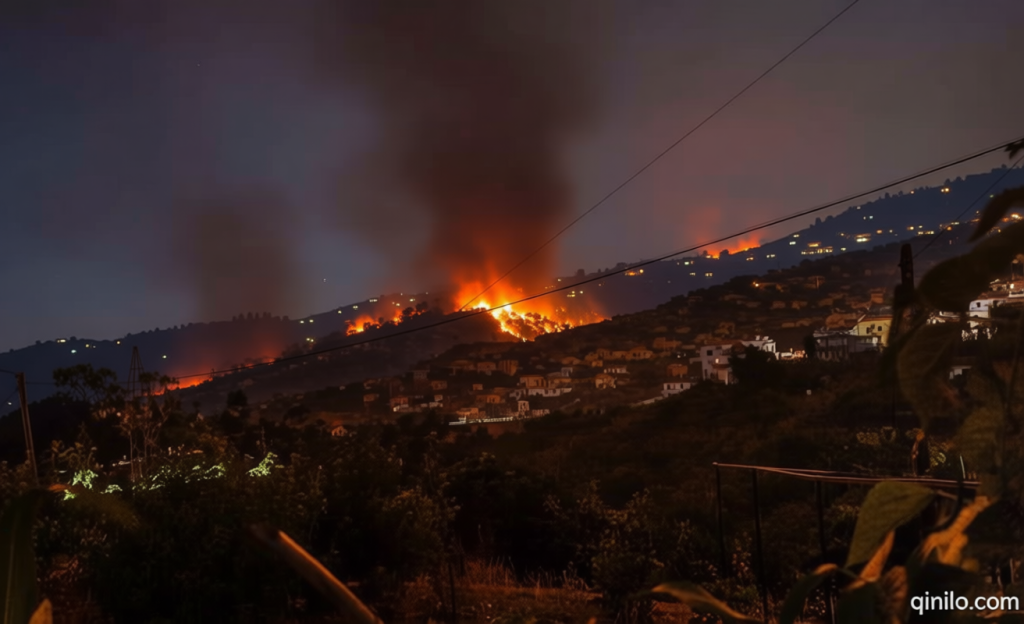
Europe is currently experiencing record-breaking wildfire activity that has consumed more than 250,000 hectares of land. Since January 2026, authorities have documented 1,254 separate fires across the continent. These devastating blazes are particularly affecting France, Spain, and surrounding regions, forcing mass evacuations and severely disrupting local economies after intense heatwaves dried out vegetation and landscapes.
North Africa simultaneously faces extreme thermal conditions with temperatures approaching 49°C. These soaring temperatures threaten human health, economic stability, and place enormous strain on healthcare infrastructure and electrical power systems. In Asia, Japan is enduring its longest recorded period of 40°C temperatures, further illustrating how climate alarm blaring from every direction reflects real-world conditions affecting billions.
Scientific Evidence Points to Urgent Action
According to Mr. Stiell, billions of people worldwide now experience escalating climate disasters as their daily reality. The planet continues warming at an alarming rate while the global transition away from fossil fuels toward clean energy sources remains inadequate. Forest conservation initiatives also fall significantly short of requirements needed to address the crisis.
The scientific community has reached clear consensus on the underlying causes. Global warming, driven by humanity’s massive consumption of coal, oil, and natural gas, is increasing both the frequency and intensity of extended heatwaves, catastrophic floods, and powerful storms. This climate alarm blaring from every direction represents not just environmental concern but economic and social emergency.
Necessary Steps for Global Recovery
What specific actions must nations take? Mr. Stiell outlined clear priorities: “leave coal, oil and gas behind faster, scale up renewables and protect people where the impacts are already hitting hardest.” Countries most vulnerable to climate effects require substantial financial and technical assistance to accelerate their energy transition at the speed and scale necessary to prevent further catastrophe.
The transboundary nature of climate disasters became dramatically evident in 2023, when Canadian wildfire smoke traveled across the northeastern United States and eventually crossed the Atlantic Ocean, creating health hazards over enormous distances. This current season, similar smoke has blanketed New York state skies in orange haze, triggering air quality alerts throughout the region and beyond.
Wildfire smoke can traverse thousands of kilometers, crossing international boundaries, vast oceans, and entire continents. The World Meteorological Organization (WMO) has identified understanding smoke movement patterns as an increasingly vital scientific priority. Reliable monitoring systems, accurate forecasting capabilities, cross-border information exchange, and prompt warning mechanisms remain essential for safeguarding populations, economic activities, and natural ecosystems worldwide.
Through its Early Warnings for All initiative, the WMO continues strengthening these critical capabilities by encouraging standardized approaches, improving system compatibility, and building international cooperation on fire weather services globally. As climate alarm blaring from every direction continues to grow louder, coordinated international response becomes ever more essential for humanity’s future.