
Returning Afghans face growing risk of trafficking as crises deepen
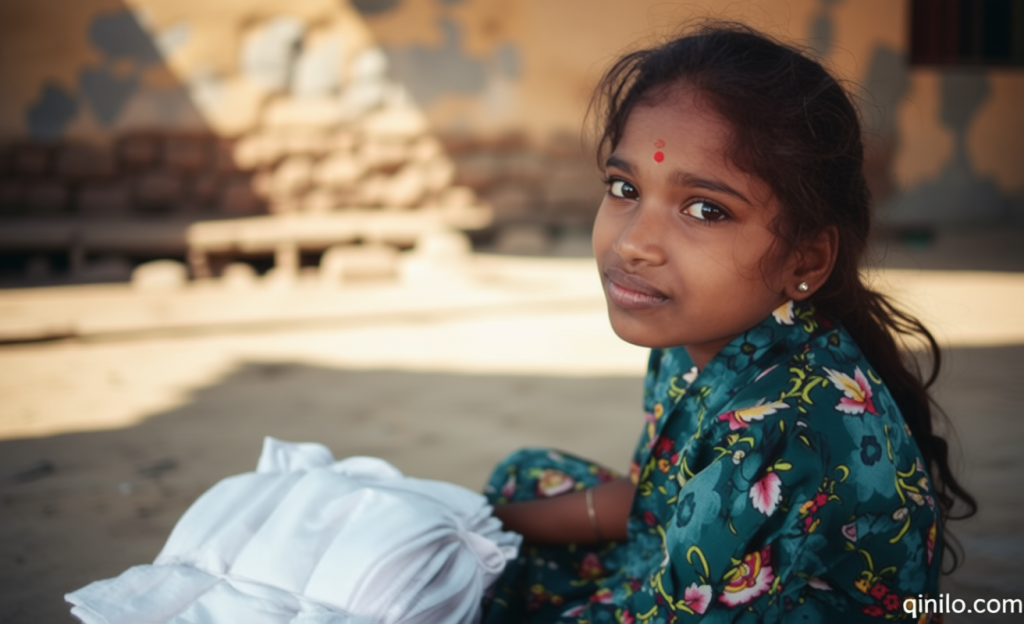
Afghan Returnees Confront Rising Trafficking Threats Amid Compounding Crises
Qinilo.com – The United Nations issued a warning on Thursday that Afghans coming back from bordering nations are encountering heightened dangers of human trafficking and exploitation. These threats are intensifying as multiple humanitarian and economic emergencies converge, making survival increasingly difficult for many families.
Multiple Factors Fueling Vulnerability
According to agency reports, several developments are simultaneously pushing returnees toward greater risk. Large-scale returns originating from both Iran and Pakistan coincide with reduced humanitarian aid, the breakdown of rural opium-dependent livelihoods, climate-related disasters, and persistent limitations on women and girls’ fundamental rights. Together, these elements are creating conditions where trafficking and abuse become more likely.
Recent data from the International Organization for Migration’s Returnee Resilience Overview reveals troubling realities for those making their way home.
Struggling to Make Ends Meet
Survey results show that merely 11 percent of surveyed Afghans have secured full employment or established their own enterprises. Meanwhile, 56 percent of households with returnees reported being unable to meet essential daily costs. Almost half of respondents indicated they depend on borrowing money or receiving charitable donations to get by, which exposes them to exploitative work arrangements, debt traps, and various forms of mistreatment.
The UN Office on Drugs and Crime alongside IOM cautioned that victims still endure forced labor, sexual exploitation, conditions resembling slavery, and occasionally even organ removal.
Who Faces the Greatest Danger?
Women, children, returnees, and households burdened by debt constitute the most vulnerable populations. Many find themselves exploited across sectors including domestic service, farming, mining operations, brick production, and carpet manufacturing. Others face forced begging, compelled marriages, child recruitment, and sexual abuse.
Additionally, the UN has drawn attention to an expanding worldwide menace involving trafficking for forced criminal activities. Victims are being tricked, threatened, or coerced into participating in online deception schemes and fraudulent operations.
Scamming operations defraud millions of people, generating vast illicit profits for transnational organized crime. Powerful new technologies, including artificial intelligence, are helping the fraudsters spread at an alarming speed,
Secretary-General António Guterres stated this during Thursday’s observance of World Day Against Trafficking in Persons.
International Support Remains Essential
Mihyung Park, who serves as IOM Afghanistan’s Chief of Mission, emphasized that current return volumes exceed what local communities can manage without substantial backing from abroad.
When people lack access to employment, shelter, and fundamental services, many may feel compelled to take perilous migration routes, which further increases their chances of encountering trafficking and exploitation.
Polleak Ok Serei, UNODC’s Country Representative, noted that the combination of mass returns, reduced aid, environmental disasters, and lost livelihoods underscores the pressing necessity to enhance prevention initiatives.
The collaborating agencies have urged enhanced regional collaboration to break up trafficking networks, increased assistance for survivors, improved access to civil documentation and work opportunities, and the creation of safer migration corridors.
Human trafficking in all its forms is a gross violation of human rights. By working together, we can end this exploitation once and for all,
Mr. Guterres concluded.