
Peacock party takes pride of place in nod to decades of turbulent history
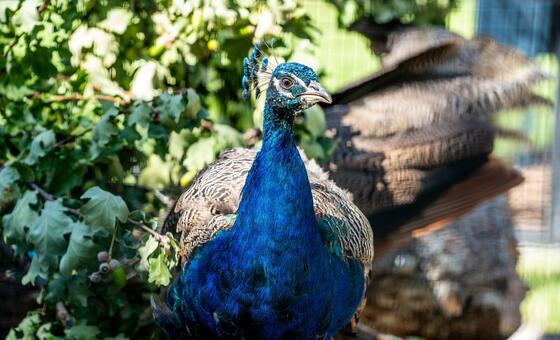
Five Peacocks Arrive at UN Geneva in Celebration of a Timeless Tradition
A Gift from India Marks Another Chapter in Diplomatic History
Qinilo.com – On Friday, the Palace of Nations received a vibrant addition to its grounds when five young peacocks arrived as a present from India. This latest gesture continues a long-standing custom of housing these elegant birds within the UN’s European headquarters, a practice that began even before the current organization and its unsuccessful predecessor, the League of Nations.
The newcomers appeared completely at ease amid the attention, strutting and pecking around their spacious aviary situated in the leafy Ariana Park. During a special ribbon-cutting ceremony, onlookers gathered to admire the birds, including four classic blue peafowl and one uncommon white-feathered male who was observed interacting with his more colorful companions.
Historical Roots of the Peacock Tradition
The connection between India and UN Geneva runs deep. Forty-five years prior, Prime Minister Indira Gandhi personally transported a breeding pair from Delhi Zoo to the organization using her private aircraft. This established a precedent that continues today.
“This is really a privilege for the Indian mission here to be able to donate five peacocks, ‘Pavo cristatus’, to [UN Geneva],” said Arindam Bagchi, Ambassador and Permanent Representative of India to the UN. “There is a tradition of having peacocks here. We have donated in 1981 and are delighted to be able to continue this tradition.”
Temporary Home and Future Plans
The five birds will spend approximately three months in their temporary enclosure before being released to roam freely throughout Ariana Park. UN Geneva Director-General Tatiana Valovaya expressed enthusiasm about the arrival.
“We are very happy to welcome five new peacocks, four blue, one white in typical United Nations colours: blue and white. And we have created a temporary house for them. They will stay here for the next three months…and then they will be allowed to move freely and enjoy the hospitality of the Ariana Park,” she explained.
While none of the birds have received names yet, a public competition will soon invite suggestions. The white peacock, like its blue-tinted friends, holds special significance as India’s national bird, drawing particular interest from visitors eager to capture selfies.
Care and Predator Concerns
Dr. Tobias Blaha, a qualified veterinarian and Director of Geneva Bioparc, will oversee the animals’ wellbeing. He personally transported the peacocks earlier in the week in a specially equipped ambulance containing resuscitation gear and other medical devices, should any bird experience stress during transit.
Despite Ariana Park offering what Dr. Blaha described as an ideal habitat with mature trees, shade, diverse flowers, and extensive grass areas, local predators present ongoing challenges. Foxes and martens have become less tolerant of the peacocks in recent years.
“It’s really a dream habitat for them because they don’t need to be kept in an aviary for a long time,” he noted. “And they have a lot of old trees, they have shade, they have different kinds of flowers and a lot of grass areas as well.”
Before these five arrived, only a single peacock remained on the grounds, though sightings were infrequent. Dr. Blaha emphasized that keeping all the birds safe requires careful monitoring, as young peacocks unfamiliar with open spaces often perch on lower branches vulnerable to fox attacks.
“So, we need to observe things…and the higher they sleep, the less the risk is, because foxes don’t climb up trees,” he added.
Looking Ahead
Laetitia Menin, a Facilities Management Officer at UN Geneva, highlighted that all five birds are males hatched within the current year. She expects them to establish social hierarchies and remain together during spring when hormonal changes occur and female peacocks visit the premises.
“Since they are all males growing up together – having hatched this year – they should establish their place within the group and therefore not run off in the spring, when hormones kick in and there are females on the premises,” she said.
As the peacocks settle into their new environment, staff and visitors alike hope the birds will coexist peacefully and continue tolerating human presence. In return, perhaps an unspoken agreement exists regarding the peacocks’ habit of leaving droppings near building entrances—a quirk that occasionally surprises those entering the UN’s elegant facilities.
Related Reading
Frequently Asked Questions
What is Peacock party takes pride of place?
Peacock party takes pride of place is the main topic of this guide. The article explains the context, practical details, and next steps readers should understand.
Why does Peacock party takes pride of place matter?
Peacock party takes pride of place matters because readers are looking for a useful answer, not just a short summary. Good content should match search intent and help them decide what to do next.