
Nepal flooding deaths surpass 900 as needs climb
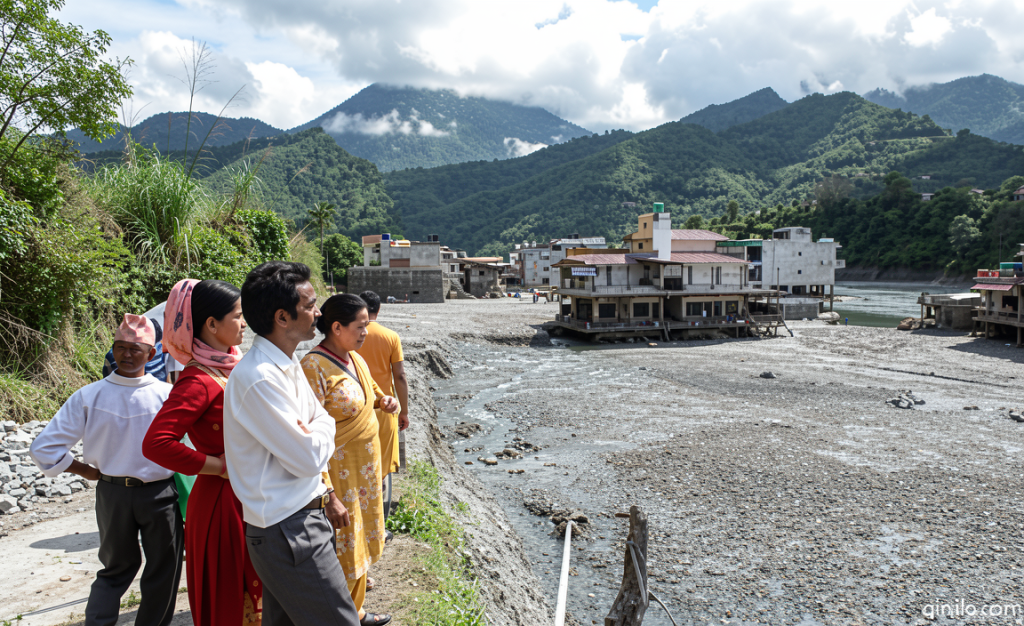
Nepal’s Glacier Collapse Floods Push Death Toll Past 900, Thousands Still Unaccounted For
Qinilo.com – The confirmed fatalities from the catastrophic flooding that swept through Nepal’s central and eastern valleys have climbed to 903, while more than 4,200 residents remain unaccounted for as rescue teams fight through severed mountain roads to reach isolated communities. UN Spokesperson Stéphane Dujarric delivered the updated figures on Monday, underscoring that the scale of the disaster now eclipses every previous natural catastrophe in the Himalayan nation’s modern history.
The triggering event was a glacier collapse compounded by a massive landslide along Nepal’s northern border with China on Wednesday. The resulting torrent of meltwater and debris tore through downstream settlements with little warning, overwhelming villages that had never faced a flood of this magnitude. For a country whose terrain is dominated by steep river valleys and fragile glacial systems, the combination of ice failure and slope instability proved almost unsurvivable in the hardest-hit zones.
A Disaster Without Modern Precedent
The event now stands as Nepal’s deadliest natural disaster since the April 2015 earthquake, which claimed roughly 9,000 lives and reshaped the capital’s skyline. Kamal Kishore, who leads the UN Office for Disaster Risk Reduction (UNDRR), stressed last week that the glacier collapse was unprecedented in recorded history for the region.
“We are still coming to grips with the extent of the damage.”
His caution reflects the reality that many affected settlements remain entirely cut off. Roads are navigable only as far as Nuwakot, and critical highway segments linking Kathmandu to the worst-affected districts are still completely impassable. Power restoration has begun in select areas, but the logistics bottleneck continues to slow every element of the relief operation.
Government and International Response
Nepal’s Government has mobilized more than 20,000 search-and-rescue personnel and formally declared a flood emergency across 15 municipalities. To date, over 10,000 people have been pulled to safety, a figure that includes 252 foreign nationals caught in the affected zones.
On the humanitarian side, the World Food Programme (WFP) has airlifted nearly 80 metric tonnes of food supplies, delivering assistance to approximately 9,200 people with rations calibrated to sustain them for 15 days. UNICEF has shipped therapeutic nutrition packs for around 500 severely malnourished children and activated 15 emergency medical teams for field deployment. A joint coordination hub has been established in Nuwakot to streamline planning and information exchange among the dozens of organizations operating on the ground.
Humanitarian Needs Mount
UN agencies have shifted attention toward longer-term requirements even as rescue operations continue. More than 22,000 children require protection services, and preliminary assessments indicate that 107 of them may have been separated from parents or caregivers during the chaos, making family tracing and reunification a top priority for first responders.
World Health Organization (WHO) spokesperson Tarik Jašarević warned that overcrowding in temporary shelters, combined with the collapse of water, sanitation, and health-service infrastructure, creates fertile conditions for infectious disease outbreaks. Recent OCHA assessments compound the picture: roughly 2,600 children under five are expected to need treatment for severe wasting or acute malnutrition, while approximately 10,500 pregnant and breastfeeding women require targeted nutrition assistance. Sixty-five thousand people overall need emergency water, sanitation, and hygiene support.
The education system has also taken a direct hit. Nineteen schools have sustained damage; nine were destroyed outright, and eight more have been converted into shelters for displaced families. More than 10,000 school-age children now require psychosocial support to cope with trauma and displacement.
Cross-Border Impact and Climate Context
The disaster did not respect the border. On the Tibet side, Chinese authorities have confirmed at least 16 deaths and reported at least 546 people still missing, underscoring how the shared glacial watershed amplifies risk on both sides of the range.
UN climate chief Simon Stiell framed the catastrophe within the broader trajectory of global warming, noting that scientists and local communities in the Himalaya have sounded alarms about intensifying glacial hazards for years.
“We also know a warming climate, driven by humanity burning colossal amounts of coal, oil and gas, is making tragedies like this one, and so many others around the world, much more likely, frequent and severe, with vulnerable communities often hardest hit.”
For Nepal, whose economy depends heavily on hydropower, agriculture in narrow terraced valleys, and tourism through the same mountain corridors now scarred by debris, the long-term implications extend well beyond the immediate emergency. Each successive glacial event erodes the margin of safety that downstream communities have relied upon for generations, and the question facing policymakers is no longer whether such failures will recur, but how quickly infrastructure, early-warning systems, and regional cooperation can be rebuilt to outpace the accelerating pace of change in the high Himalaya.
Related Reading
Frequently Asked Questions
What is Nepal flooding deaths surpass 900 as needs?
Nepal flooding deaths surpass 900 as needs is the main topic of this guide. The article explains the context, practical details, and next steps readers should understand.
Why does Nepal flooding deaths surpass 900 as needs matter?
Nepal flooding deaths surpass 900 as needs matters because readers are looking for a useful answer, not just a short summary. Good content should match search intent and help them decide what to do next.