UN hails Libya election deal as Security Council urges Libyans to seize the moment
UN Hails Libya Election Deal as Political Talks Advance
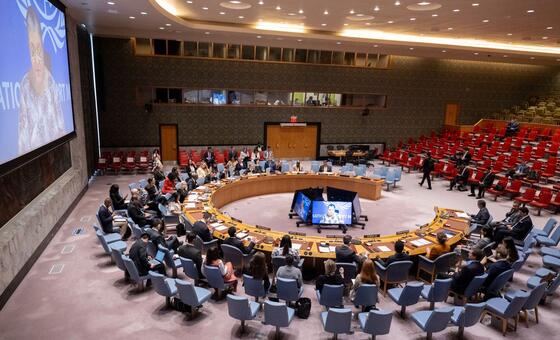
Qinilo.com – The UN hails Libya election deal reached by rival political forces as a meaningful opportunity to overcome barriers that have delayed national elections for years. The Security Council welcomed the agreement and called on Libyan leaders to turn their commitments into action without further delay.
Concluded on 30 August through the UN-facilitated “Smaller Convening” process, the accord addresses major disputes over electoral arrangements. It sets out new provisions for Libya’s High National Elections Commission and revises the legal framework for parliamentary and presidential elections.
The proposed vote is expected to take place within two years under a unified government. For Libya, which has not held national elections in more than a decade, the agreement could offer a path beyond the political divisions that have repeatedly disrupted plans for a nationwide ballot.
Key election obstacles addressed
Negotiations focused on the composition of the elections commission’s board, including representation for Libya’s three regions. Participants also tackled an electoral rule linking the results of legislative elections to the presidential process.
Addressing these questions is intended to make an election timetable more workable and reduce the likelihood that institutional disputes will again postpone voting. However, the agreement will require continued political backing, effective implementation and public trust in the bodies responsible for organizing elections.
UNSMIL brought together representatives of the Tripoli-based Government of National Unity, the eastern-based Libyan National Army command and both parliamentary chambers. The format aimed to ensure that Libya’s main centres of power could take part in resolving outstanding issues.
“We are not here to replace the Libyan people, but to support them in achieving their political aspirations toward good governance, unity, peace and security.”
Public confidence remains essential
While the UN hails Libya election deal as an important diplomatic step, confidence in the political process remains fragile. Special Representative of the Secretary-General Hanna Tetteh has stressed that the challenge is not limited to relations among political leaders; many Libyans remain uncertain about how a credible national vote can be delivered.
From December 2025 to June 2026, UNSMIL held a structured dialogue involving 120 Libyans from different regions and communities. The process underscored the need for broader public acceptance of political arrangements, particularly where agreements negotiated by elites may struggle to gain legitimacy among citizens.
A credible election will depend on an inclusive process, recognition of regional interests and fair administration by electoral institutions. The commission arrangements in the new deal are therefore central to whether voters accept future results.
Division and inclusion shape Libya’s next steps
Libya has remained divided between competing western and eastern administrations since the 2011 collapse of Muammar Gaddafi’s rule, following civil conflict and international military intervention. Fragmented institutions, competing security structures and disputes over political legitimacy and the oil-rich economy have complicated efforts to build a unified national framework.
The UN hails Libya election deal because it shows that rival actors can negotiate common terms. Yet political progress must also be accompanied by efforts to strengthen unity among military, security and economic institutions.
Ms. Tetteh has also raised concern about online abuse directed at women in Libya’s public and political life. Hate speech and harassment can discourage women from participating in decision-making, weakening the inclusiveness needed for a credible political process.
Libya Election Deal: Frequently Asked Questions
What does the agreement change?
It addresses disputes over the High National Elections Commission and the legal basis for parliamentary and presidential elections, two issues that had blocked progress toward a national vote.
When could Libya hold elections?
The agreement envisages elections within two years under one unified government. Progress will depend on political support and implementation of the commitments made by Libyan parties.
Why is public participation important?
Public confidence is vital because citizens must view electoral institutions and procedures as inclusive, fair and capable of delivering credible results across all regions of Libya.
Related Reading
Frequently Asked Questions
What is UN hails Libya election deal as Security?
UN hails Libya election deal as Security is the main topic of this guide. The article explains the context, practical details, and next steps readers should understand.
Why does UN hails Libya election deal as Security matter?
UN hails Libya election deal as Security matters because readers are looking for a useful answer, not just a short summary. Good content should match search intent and help them decide what to do next.