
The race to build a pandemic-proof world
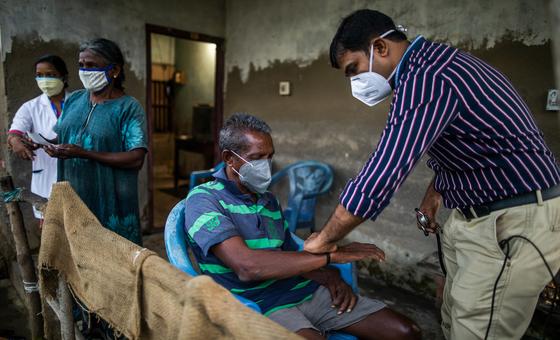
Preparing for the Next Pandemic Cannot Wait for the Next Emergency
Qinilo.com – Six years after COVID-19 upended daily life across the globe, governments and health institutions are still confronting the central question left by the crisis: how can the world be ready before the next dangerous outbreak becomes a pandemic?
The stakes extend far beyond public health. Emerging infectious diseases, climate-related disruptions and conflict are all placing additional pressure on already strained systems. A health emergency that begins in one place can cross borders with remarkable speed, affecting communities, hospitals, economies and essential services far from its point of origin.
COVID-19 demonstrated both what scientific cooperation can achieve and where international solidarity fell short. More than seven million people died from the disease, while health systems faced extraordinary disruption and many families experienced loss, instability and financial hardship. The global economy was also pushed close to a standstill in the early phase of the pandemic.
“We must not repeat the mistakes of the past when the next pandemic strikes, as we know it will. That means working together.”
UN Secretary-General António Guterres has described the pandemic response as a story of innovation alongside failure. Scientists produced vaccines at unprecedented speed, showing the value of research, public investment and international collaboration. Yet the benefits did not reach all countries equally. Nations with greater manufacturing capacity and financial resources were generally better positioned to secure vaccines, tests and treatments, while many lower-income countries waited longer for vital supplies.
Equity is broader than access to vaccines
The disparity exposed by COVID-19 was not only about who received doses first. Pandemic readiness also depends on whether countries have trained health workers, laboratory capacity, reliable financing, medical supply chains and the ability to participate in research and development. Without those foundations, even effective medical tools may arrive too late or be difficult to deliver where they are most needed.
This is why pandemic prevention, preparedness and response have become an international concern rather than a matter each country can manage alone. Diseases do not respect national boundaries, and weak surveillance or limited care capacity in one region can create risks for people worldwide. Protecting health in any community strengthens protection for every community.
Rapid detection is a major part of that effort. Sharing data, monitoring outbreaks and supporting research can help health authorities understand a threat before it spreads widely. Access to diagnostics, medicines and vaccines must then follow quickly enough to make a practical difference.
One health, shared risks
Modern preparedness also increasingly recognizes that human health cannot be separated from animal and environmental health. More than 60 per cent of emerging infectious diseases pass from animals to people. That makes careful monitoring at the intersection of people, animals and ecosystems a necessary part of reducing future pandemic risks.
Changes in climate, environmental stress and movement of people and animals can alter the conditions in which diseases emerge and spread. A coordinated approach does not eliminate every threat, but it can improve early warning, guide prevention measures and make it easier to respond before an outbreak reaches a wider population.
A New Framework for Cooperation
In May 2025, countries adopted the landmark WHO Pandemic Agreement, described as the first binding global accord focused on preventing, preparing for and responding to pandemics. Its purpose is to strengthen cooperation before and during international health emergencies, while placing greater attention on fair access to the tools needed to save lives.
An important element remains under negotiation: the Pathogen Access and Benefit-Sharing, or PABS, annex. The mechanism is intended to support the sharing of virus samples while helping ensure that countries requiring assistance can obtain vaccines, diagnostics and treatments developed from that information.
Negotiations on the annex were advancing on Friday. Once the World Health Assembly adopts it, the treaty can be opened for signature and national ratification. The agreement also provides for a global supply chain and logistics network designed to move medical supplies during emergencies. A new coordinating financial mechanism is intended to help countries develop and expand their pandemic prevention, preparedness and response capacities.
These measures matter because medical breakthroughs alone are not enough. Supplies must be manufactured in sufficient quantities, transported safely and distributed through functioning systems. Manufacturing and surge capacity also need to be spread geographically, supported by supply chains that can continue operating during a crisis.
What readiness should look like
A stronger global approach begins with preventing outbreaks where possible and stopping them from spreading when they occur. It also requires preparedness: the staff, facilities, research capacity and resources needed before an emergency is visible in hospital wards.
Response systems must be able to protect essential health services as well. During COVID-19, many routine services were disrupted as health workers and facilities were overwhelmed. Future planning must account for the continued need for maternal care, childhood immunization, treatment for chronic illnesses and other core services even during a major outbreak.
Predictable, sustainable financing is another essential requirement. Preparedness cannot depend entirely on short-term funding released after a crisis begins. It needs long-term investment, clear legal arrangements and dependable cooperation among countries, international organizations, researchers, manufacturers and health workers.
Leaders Meet as the Window for Preparation Remains Open
The 193-member UN General Assembly will hold a high-level meeting on pandemic prevention, preparedness and response on 25 September 2026. World leaders gathering at UN Headquarters in New York will discuss how to coordinate action, finance stronger systems and improve equitable access to medical supplies.
A political declaration is expected to set out renewed commitments. Its value will depend on whether those commitments translate into practical investment, stronger local health systems and meaningful cooperation when the next threat emerges.
No one can forecast the exact timing or nature of the next pandemic. That uncertainty is precisely why action between emergencies matters. Waiting until hospitals are overwhelmed leaves governments with fewer choices, health workers under greater strain and vulnerable communities exposed to the greatest danger.
The enduring lesson from COVID-19 is simple: preparedness is not an event activated once a crisis has begun. It is a continuing responsibility built through early warning, resilient health care, shared scientific knowledge and the recognition that health security is a common global interest.
Related Reading
Frequently Asked Questions
What is The race to build a pandemic?
The race to build a pandemic is the main topic of this guide. The article explains the context, practical details, and next steps readers should understand.
Why does The race to build a pandemic matter?
The race to build a pandemic matters because readers are looking for a useful answer, not just a short summary. Good content should match search intent and help them decide what to do next.