
‘I have not lost my dreams’: Refugee education funding cuts threaten millions
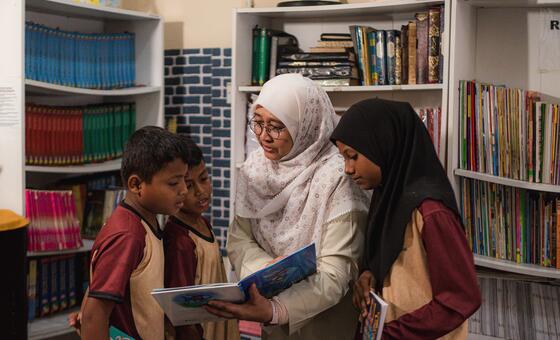
Education at Risk for Young Refugees Seeking a Future
Qinilo.com – A teenage girl who escaped the war in Sudan and found safety in neighbouring Egypt is still holding onto her ambition of studying technology. Her determination reflects a much wider challenge facing displaced children and young people: access to education can disappear just when it is needed most.
For refugees, learning is not simply a classroom activity. It can provide structure after upheaval, preserve hope during long periods of uncertainty, and create a path toward future independence. Yet funding reductions for refugee education are placing those opportunities in danger for millions of learners.
I have not lost my dreams.
A dream beyond displacement
The Sudanese teenager’s goal of earning a technology degree shows how education can remain central even after conflict forces a family to leave home. Flight from violence may interrupt schooling, separate students from teachers and friends, and place families in unfamiliar communities. Even so, many young refugees continue to plan for careers, higher education and a more secure future.
Her presence in Egypt also illustrates the role played by countries that receive people fleeing crises across their borders. Refugee-hosting communities often face pressure on schools and public services, while displaced families may struggle with language differences, documentation requirements, transport costs and the need to earn an income. These barriers can make regular attendance difficult even when a school place is available.
For adolescents, the consequences of missing education can be especially serious. A prolonged break from learning may narrow options for university, employment and vocational training. Young people who are close to completing secondary education can find themselves unable to continue at a crucial point in their development.
Why stable funding matters
Education programmes for refugees depend on sustained support. Schools require teachers, learning materials, safe classrooms and systems that help students enter or re-enter education after disruption. Funding can also support language instruction, catch-up classes and other practical assistance that allows learners to adapt to a new curriculum and environment.
When budgets are cut, the effects reach far beyond individual lessons. Classes may become more crowded, specialised support may be reduced, and students with the greatest needs can be left waiting. Families already coping with displacement may be forced to make difficult choices about whether a child remains in school.
The risk is particularly acute for girls and young women. Continuing education can strengthen their ability to make informed decisions, pursue qualifications and participate in economic life. Losing access to learning may deepen existing inequalities and make recovery from displacement more difficult.
Learning as protection and possibility
Education offers refugee children and teenagers a protected space for growth. It can restore routines that conflict has taken away and help students build relationships in their host communities. It also gives young people opportunities to develop skills that remain valuable wherever their future leads.
Technology education is one example of the aspirations held by many displaced students. Digital and technical skills can open routes into further study and employment, but those routes begin with basic access to consistent schooling. Without it, a young person’s ability to turn ambition into a qualification becomes far more uncertain.
Keeping refugee learners in education is therefore an investment in more than academic progress. It supports resilience, helps communities include newly arrived families and gives young people a chance to contribute meaningfully in the years ahead. It also recognises that displacement should not erase a student’s potential.
A shared responsibility
Countries hosting refugees carry a major responsibility, often while managing their own social and economic pressures. International support remains essential to ensure that schools can respond to growing needs without weakening education for local students. Reliable financing allows planning to continue beyond short-term emergency responses.
The teenager from Sudan represents the human stakes behind discussions of education budgets. Her wish to study technology is not an abstract ambition; it is a personal goal shaped by perseverance after war and displacement. Millions of other refugee children and young people are similarly trying to keep their education alive despite circumstances beyond their control.
Protecting access to school means recognising those ambitions as urgent. Young refugees need more than temporary safety. They need the chance to learn, progress and prepare for the lives they hope to build.
Related Reading
Frequently Asked Questions
What is I have not lost my dreams?
I have not lost my dreams is the main topic of this guide. The article explains the context, practical details, and next steps readers should understand.
Why does I have not lost my dreams matter?
I have not lost my dreams matters because readers are looking for a useful answer, not just a short summary. Good content should match search intent and help them decide what to do next.