
UN upholds housing as a human right on World Habitat Day
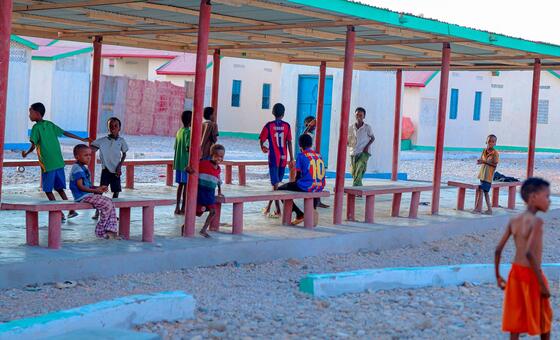
Housing crisis takes centre stage at World Habitat Day gathering in Muscat
Qinilo.com – Nearly 3.4 billion people worldwide are affected by the worsening housing crisis, delegates heard during a World Habitat Day meeting held in Muscat, Oman, on Monday. Representatives of governments, civil society groups and academic institutions used the occasion to press for faster, more coordinated action to ensure that safe and adequate housing is treated as a fundamental human right.
The scale of the challenge reaches far beyond the construction of new homes. For millions of people, housing insecurity can mean overcrowded rooms, unsafe buildings, unaffordable rents, insecure land tenure or a lack of reliable access to essential services. These pressures can affect health, education, employment opportunities and family stability, making housing policy central to wider efforts on equality and sustainable development.
A right linked to dignity and opportunity
World Habitat Day provides an annual opportunity to focus attention on the condition of towns and cities, as well as the right of every person to have a place to live in safety and dignity. The discussions in Muscat highlighted the need to move from broad commitments to practical measures that can improve daily life for people struggling to find or keep a home.
Adequate housing is not simply a roof overhead. It also involves affordability, security, accessibility and a location that allows residents to reach work, schools, healthcare and community services. When those elements are missing, households may be forced into difficult choices between rent, food, transport, medicine and other basic needs.
The situation is especially significant in rapidly growing urban areas, where demand for homes can rise faster than public infrastructure and housing supply. Cities facing this pressure must consider how land is used, how neighbourhoods are planned and how housing can remain available to people with different incomes. Long-term planning can help prevent informal settlements, displacement and deepening inequality.
Why urgent action matters
Housing shortages and high costs are often connected to other social and economic strains. Families without stable homes may find it harder to maintain employment or keep children in school. Older people, persons with disabilities, migrants and households with low incomes can face additional barriers when seeking suitable accommodation.
Responses therefore require cooperation across many areas of public policy. Housing authorities, local governments, financial institutions, community organizations and researchers all have roles in identifying needs and designing workable solutions. Measures may include protecting tenants from unfair practices, expanding access to affordable housing finance, improving existing neighbourhoods and ensuring that new development includes essential public services.
Delegates in Muscat emphasized that housing should be approached as a human-rights issue rather than solely as a market commodity. That perspective places people’s security, health and dignity at the heart of decisions about development. It also draws attention to the responsibilities of institutions that shape access to land, housing finance and public services.
Building stronger and more inclusive communities
Housing policy has a direct influence on the character of communities. Well-planned homes and neighbourhoods can support social connections, reduce exposure to environmental risks and give residents greater confidence in the future. Poor housing conditions, by contrast, can leave communities more vulnerable to hardship when economies weaken or disasters strike.
Climate concerns also add urgency to housing discussions. Homes need to be resilient enough to protect residents from changing weather patterns and other hazards, while urban growth must be planned in ways that use resources responsibly. Improving existing housing can be as important as building new units, particularly where older buildings lack safe infrastructure or efficient access to water and energy.
For residents, the debate can appear abstract until it is reflected in everyday realities: whether rent is manageable, whether a child has a quiet place to study, whether a home is safe during extreme weather, and whether people can remain in the communities where they work and have support networks. Policies that address these practical concerns can produce benefits across generations.
From recognition to implementation
The Muscat gathering underscored that recognition of housing as a human right must be followed by sustained implementation. Progress depends on reliable data, public investment, transparent planning and meaningful participation from the people most affected by housing shortages and rising costs.
Civil society organizations can help bring local experiences into national and international discussions, while academic institutions can contribute research on housing demand, affordability and urban development. Governments, meanwhile, have the responsibility to translate commitments into laws, programmes and planning decisions that expand access to adequate homes.
As the global housing crisis affects nearly 3.4 billion people, the message from World Habitat Day is clear: housing cannot be treated as a secondary concern. Secure, affordable and adequate homes are a foundation for healthier communities, stronger economies and a more inclusive future.
Related Reading
Frequently Asked Questions
What is UN upholds housing as a human?
UN upholds housing as a human is the main topic of this guide. The article explains the context, practical details, and next steps readers should understand.
Why does UN upholds housing as a human matter?
UN upholds housing as a human matters because readers are looking for a useful answer, not just a short summary. Good content should match search intent and help them decide what to do next.