
Critical funding gap threatens health response in Yemen
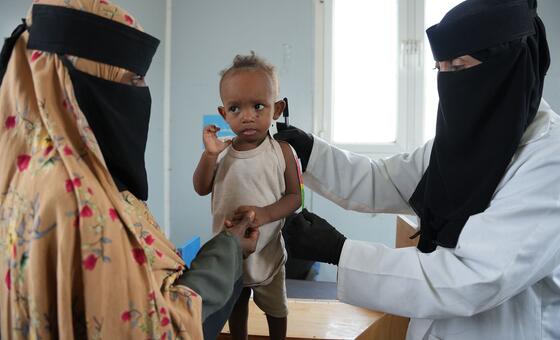
Health response in Yemen faces a widening funding shortfall
Qinilo.com – Yemen’s health emergency is entering a more precarious phase as conflict intensifies and humanitarian needs grow, with the World Health Organization warning that its operations require substantially greater financial support to expand.
The agency’s appeal highlights the pressure facing health services in a country where years of instability have left many communities vulnerable to illness, injury and interruptions in essential care. A larger response is needed to help health workers reach people affected by escalating violence and the wider consequences of displacement and disrupted public services.
Rising needs require a stronger response
WHO said additional resources are urgently needed to scale up its work in Yemen. The warning comes at a time when the demands placed on the health system are increasing, making it harder to ensure that essential services remain available for people who depend on them.
Health emergencies do not affect patients in isolation. When conflict disrupts daily life, people can face greater difficulty travelling to clinics, obtaining medicines or receiving timely treatment. Facilities may also struggle with shortages of staff, equipment, supplies and reliable access to services needed for routine and emergency care.
For families, the impact can be immediate. A health centre that cannot operate at full capacity may mean longer journeys for medical help, delayed treatment for serious conditions, or fewer options for mothers, children, older people and those living with chronic illnesses. The consequences are often most severe in places where alternatives are limited.
Funding is central to maintaining lifesaving work
Humanitarian health programmes depend on predictable funding to plan, supply and sustain their activities. Financial gaps can limit the ability to deploy medical teams, support frontline facilities, provide essential medicines and respond quickly when violence or disease-related risks create new needs.
The call for more resources reflects the scale of the challenge in Yemen. Expanding a health response involves more than delivering immediate assistance. It also requires maintaining services over time, helping facilities continue operating and ensuring that people in affected areas are not left without access to basic care when conditions worsen.
In conflict-affected settings, a lack of funding can force difficult choices about where assistance is sent first. That can leave some communities waiting longer for support, particularly those in remote or hard-to-reach areas. The ability to act early is especially important when needs are rising, since delays can deepen existing health risks.
A fragile health environment
Yemen has endured a prolonged humanitarian crisis, and its health sector has faced repeated strain. The country’s people have lived with the effects of conflict, economic hardship and disruption to public infrastructure, all of which can make access to healthcare more difficult.
Health systems under pressure must address both urgent injuries and the continuing needs of patients who require regular treatment. Maternal care, childhood health services, disease prevention, mental health support and treatment for non-communicable conditions can all be affected when facilities lack the resources to function consistently.
Public health work also relies on surveillance, coordination and the ability to identify emerging risks quickly. When health services are weakened, preventable problems can become more serious because communities have fewer opportunities to obtain early advice, testing or treatment.
Why support matters now
WHO’s warning underlines that humanitarian health operations cannot simply be expanded on demand without the money, personnel and supplies needed to do so. Funding enables organizations and local health partners to prepare for increased needs rather than reacting only after services have already been overwhelmed.
Support for Yemen’s health response is therefore closely tied to the safety and wellbeing of people living through the conflict. Sustained assistance can help preserve access to essential care, reinforce emergency capacity and reduce the risk that vulnerable communities are cut off from services at a critical moment.
As needs continue to rise, the central concern is whether the available resources will match the scale of the emergency. Without significantly more funding, efforts to protect health in Yemen may fall short of what the situation demands.
Related Reading
Frequently Asked Questions
What is Critical funding gap threatens health response?
Critical funding gap threatens health response is the main topic of this guide. The article explains the context, practical details, and next steps readers should understand.
Why does Critical funding gap threatens health response matter?
Critical funding gap threatens health response matters because readers are looking for a useful answer, not just a short summary. Good content should match search intent and help them decide what to do next.