
Ending conflict is ‘number one thing’ to reduce world hunger, new WFP chief says
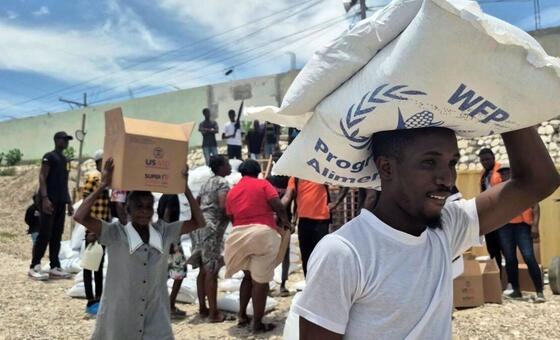
Ending conflict is number one thing to reduce world hunger
Qinilo.com – Ending conflict is number one thing the world can do to reduce hunger, according to newly appointed World Food Programme Executive Director Luke Lindberg. Speaking at his first press conference after taking office, he said war, insecurity and restricted humanitarian access are central drivers of the global food crisis.
At UN Headquarters in New York on Wednesday, Lindberg said conflict is connected to two thirds of the acute food insecurity affecting 266 million people worldwide. He emphasized that violence results from human decisions and can therefore be addressed.
“Conflict is a man-made situation. It is something that we can solve,” he said.
Conflict prevents communities from recovering
When violence spreads, families can lose the ability to grow food, travel safely, trade goods or receive assistance. Ending conflict is number one thing because it creates the conditions needed for communities to rebuild livelihoods and regain access to food.
Lindberg said reducing violence would have the greatest single impact on global hunger. Emergency food aid remains vital when people face immediate danger, but lasting progress also depends on safe access, functioning markets and the chance for people to support themselves.
“The number one thing we can do to reduce hunger in the world is to reduce the amount of conflict that is happening all around the world.”
Climate shocks and trade disruption worsen food insecurity
Conflict is not the only pressure facing vulnerable communities. Lindberg warned that El Niño could push an additional 49 million people into acute food insecurity. Climate-related shocks can damage harvests, limit water access and increase hardship for people already affected by high food prices or displacement.
He also highlighted disruptions at global supply-chain chokepoints. When transport routes and commercial systems are interrupted, food can become harder and more expensive to move, placing further strain on households struggling to afford basic staples.
The overlap between conflict, climate risk and disrupted trade shows why hunger crises require more than short-term relief. Humanitarian assistance can save lives, while preparedness and stronger local systems can help prevent emergencies from escalating.
WFP priorities under new leadership
Lindberg said his leadership would focus on practical delivery. His three priorities are protecting WFP personnel, strengthening relationships with donors and improving day-to-day operations.
“Big platitudes or big announcements” are not what WFP needs, he said, stressing the importance of execution and becoming “a little bit better each and every day.”
Humanitarian worker safety is a major concern. More than 700 humanitarians have been killed over the past several years while trying to save lives, Lindberg said. Aid teams often work where security is unstable, infrastructure has been damaged and access can change rapidly.
“Nobody should lose their life trying to save somebody else’s.”
He said he would speak up for WFP staff wherever they serve and work to protect humanitarians facing attacks. Aid can reach people in need only when relief workers can operate safely and without obstruction.
Preparedness, technology and school meals
The WFP chief also committed the organization to investing in disaster preparedness. Acting before an emergency worsens can help position supplies, assess needs and support communities before drought, flooding or other shocks become devastating.
Artificial intelligence was among the tools Lindberg mentioned for preparedness efforts. He also said WFP should “go big” on school meals, which can help children receive regular nutrition, attend school and provide families with added stability during difficult periods.
His first overseas trip as Executive Director will be to Sudan in a couple of weeks, where he plans to thank frontline teams working in some of the world’s most challenging environments. Sudan, South Sudan and Somalia are currently WFP’s three primary operational focuses.
Lindberg summarized the immediate aim simply: “In the short run, it’s no more famines.” Ending conflict is number one thing in that effort, alongside sustained funding, humanitarian access and early action before crises intensify.
Frequently asked questions
Why does conflict increase hunger?
Conflict can disrupt farming, markets, transport and access to aid. It can also force people from their homes, leaving families unable to produce or buy enough food.
What other factors are driving food insecurity?
Climate shocks, including risks linked to El Niño, and disruptions to global supply chains can worsen food shortages and raise the cost of basic foods.
What are WFP’s immediate priorities?
WFP is focused on protecting its personnel, working closely with donors, improving operations, preparing for disasters and preventing further famines.