
Afghanistan opium production jumps fivefold as farmers find ways round Taliban ban
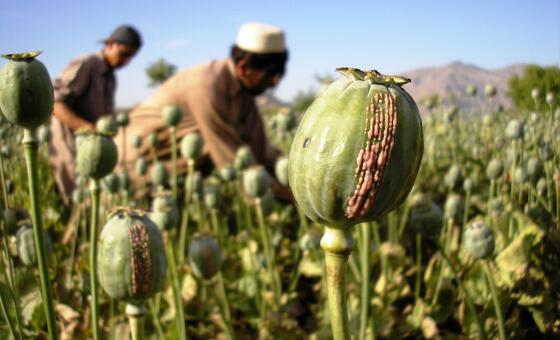
Afghanistan Sees Sharp Rise in Opium Poppy Cultivation Despite Taliban Ban
Qinilo.com – Afghanistan’s opium economy has shown a significant rebound, with poppy cultivation expanding rapidly after several years of steep decline under the Taliban’s narcotics ban. A new survey by the UN Office on Drugs and Crime (UNODC) estimates that production increased fivefold over the past year, highlighting the economic pressures facing rural families and the limits of enforcement alone.
The estimated area used for opium poppy rose from roughly 10,000 hectares in 2025 to more than 43,000 hectares this year. That represents growth of 330 per cent. Estimated output climbed by 400 per cent, rising from about 300 tonnes to just under 1,500 tonnes.
Even with this increase, cultivation remains far below the scale seen before the 2022 prohibition. Prior to the ban, Afghanistan had about 232,000 hectares planted with poppy and supplied an estimated 80 per cent of the world’s illicit opium.
Farmers adapt as enforcement continues
The Taliban, who returned to power in August 2021, prohibited poppy growing and narcotics in April 2022, citing religious reasons. The de facto authorities say they destroyed 22,000 hectares of poppy fields this year.
Yet the UNODC survey indicates that some cultivators have adjusted their methods to reduce the risk of discovery. Small poppy plots are reportedly being concealed among cereal crops or inside walled properties. In other cases, planting and harvesting schedules are being spread out, making cultivation less visible to authorities.
Such tactics matter because the crop can be a source of income in communities where viable alternatives are limited. The renewed growth does not necessarily signal a return to the pre-ban system, but it demonstrates how quickly cultivation can respond when households face financial strain and when market conditions remain favourable.
“The fourfold increase in opium poppy cultivation shows the difficulty in sustaining decreases in illicit opium cultivation when poor farmers have no alternatives to feed their families,” said UNODC Executive Director Monica Juma.
Ms. Juma called for cooperation between the de facto authorities and international partners to support agricultural communities. She highlighted the need for investment in livelihoods, farm infrastructure and access to markets, all of which can help farmers earn income without relying on illicit crops.
Northeast becomes the main cultivation area
The geographic pattern of cultivation has also changed. Poppy was found in 16 of Afghanistan’s 34 provinces this year, five more provinces than in 2025. About three-quarters of all planted land was concentrated in the northeast, establishing that region as the country’s principal growing area.
Before the Taliban ban, the southwest had been the dominant centre for opium poppy cultivation. The shift toward the northeast may affect both enforcement strategies and trafficking routes, particularly because regional prices differ sharply.
Opium prices slipped from $570 per kilogramme last year to about $500 this year. However, they remain substantially higher than before the ban, when a kilogramme sold for less than $100. Those elevated prices can create a strong incentive for production, while price gaps between regions may encourage the movement of opium from the northeast toward the southwest.
Stockpiles and trafficking pressures
Regional trafficking networks appear to have relied on existing opium reserves to maintain supplies after the cultivation ban took effect. Those stockpiles helped cushion the immediate effects of reduced production, allowing illicit markets to keep operating even as planting fell sharply.
Recent seizure information, however, suggests that these reserves may be diminishing. The 2026 World Drug Report also identified early indications of declining heroin availability in Europe. If demand remains steady while supplies tighten, higher prices could increase pressure for additional cultivation inside Afghanistan.
The issue extends beyond individual fields or provinces. Opium is the raw material used to produce heroin, and its cultivation is linked to cross-border trafficking networks. Changes in Afghan production can therefore have consequences across the region and in consumer markets farther away.
“International cooperation is needed to investigate and dismantle transnational drug trafficking networks both in Afghanistan and the rest of the world,” Ms. Juma said.
The UNODC will continue tracking cultivation, production, pricing and seizure patterns to determine whether the 2026 surge proves short-lived or marks the beginning of a broader return of opium and heroin production. For now, the findings underline a central challenge: reducing illicit cultivation in a lasting way depends not only on bans and eradication, but also on whether farming families can access dependable alternatives for supporting themselves.
Related Reading
Frequently Asked Questions
What is Afghanistan opium production jumps fivefold as farmers?
Afghanistan opium production jumps fivefold as farmers is the main topic of this guide. The article explains the context, practical details, and next steps readers should understand.
Why does Afghanistan opium production jumps fivefold as farmers matter?
Afghanistan opium production jumps fivefold as farmers matters because readers are looking for a useful answer, not just a short summary. Good content should match search intent and help them decide what to do next.