
Middle East LIVE: Diplomacy in focus as escalation ‘reverberates across borders and continents’, warns UN chief
Middle East LIVE: Escalation Sparks Global Diplomatic Concerns
Qinilo.com – As the Middle East crisis enters its fourth month, the region remains a focal point of global attention, with tensions escalating beyond national borders and challenging international stability. The United Nations chief has issued a stark warning, emphasizing that the situation is not only intensifying within the Middle East but also reverberating across continents, threatening to destabilize broader geopolitical frameworks. This Middle East LIVE coverage highlights the critical role of diplomacy in averting further conflict, as key players navigate a complex web of alliances, rivalries, and humanitarian challenges.
UN Chief Warns of Cross-Regional Fallout
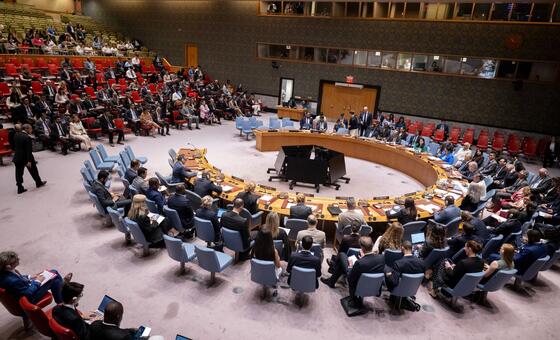
During a recent address at the UN Security Council, the head of the organization underscored the urgency of addressing the escalating crisis, stating that its repercussions are “reverberating across borders and continents.” The Middle East LIVE updates reveal that the conflict has already triggered ripple effects in neighboring regions, including North Africa and Eastern Europe, as countries brace for potential spillover. The UN chief called for immediate diplomatic engagement to prevent the crisis from spiraling into a larger war, stressing that the region’s instability could reshape global power dynamics.
“The Middle East is no longer just a regional issue—it is a global one. If we do not act decisively, the consequences will be felt worldwide,” the UN chief remarked during a live debate on the crisis.
Security Council Debates Political Solutions
With the Middle East LIVE situation intensifying, the UN Security Council has convened a series of high-level meetings to explore political pathways for resolution. Delegates from member states have been deliberating on potential frameworks to mediate between conflicting parties, including proposals for renewed ceasefire agreements and international aid initiatives. The discussions reflect a growing recognition that a lasting solution requires not only military restraint but also sustained diplomatic efforts to address the root causes of the conflict.
Notably, the crisis has exposed fractures within traditional alliances, as some nations prioritize military support over diplomatic dialogue. The Middle East LIVE coverage notes that the Security Council’s ability to reach consensus will be crucial in determining the outcome of the situation. Meanwhile, peacekeeping missions and humanitarian agencies are preparing to scale up operations, anticipating increased needs as the conflict continues to disrupt daily life across the region.
Humanitarian Crisis Deepens Amid Escalation
The Middle East LIVE developments have exacerbated the humanitarian emergency, with reports of rising casualties and displacement in war-torn areas. Aid organizations report that over 500,000 civilians have been forced to flee their homes, while infrastructure damage has crippled access to essential services. The UN chief has repeatedly called for urgent aid deliveries, warning that without intervention, the crisis could lead to a catastrophic humanitarian disaster. Regional leaders, however, remain divided on the most effective ways to provide relief and ensure security for affected populations.
Amid the chaos, the Middle East LIVE updates highlight efforts by international coalitions to coordinate aid efforts. Despite challenges posed by ongoing hostilities, humanitarian corridors have been established in several key cities, allowing for the transport of medical supplies and food. The situation underscores the fragility of peace and the critical need for sustained international support to mitigate the long-term effects of the conflict on civilians and economies alike.
Regional Stability at Risk
As the Middle East LIVE crisis progresses, concerns over regional stability have intensified, with neighboring countries facing the prospect of drawn-in conflicts. The collapse of ceasefire agreements has led to renewed border clashes and military deployments, heightening fears of a wider war. Analysts warn that the instability could undermine economic partnerships and trade routes, impacting global markets. The Middle East LIVE coverage also points to the potential for increased refugee flows, which may strain resources in host nations and fuel political tensions.
Additionally, the crisis has reignited debates over the role of external powers in the region. While some countries have pledged support to local factions, others are urging restraint to avoid further entanglement. The Middle East LIVE narrative continues to evolve, with diplomatic breakthroughs and setbacks shaping the trajectory of the conflict. As the world watches closely, the question remains: how long can the fragile peace hold before the next major escalation?
With the Middle East LIVE situation reaching a critical juncture, the international community is under pressure to act swiftly. The UN chief’s warnings have galvanized renewed calls for multilateral cooperation, as leaders from both sides of the conflict seek common ground. The Middle East LIVE updates will remain a vital source of information, tracking the latest developments and providing insights into the path forward for a region on the brink of deeper unrest.