
Gulf crisis: Guterres calls for de-escalation, warns against return to full-on war
Guterres Urges De-escalation in Gulf Crisis to Avoid Full-scale War
Qinilo.com – Amid escalating tensions in the Gulf crisis, United Nations Secretary-General António Guterres has emphasized the urgent need for all parties to de-escalate hostilities and prevent the return to full-on war. The crisis, which has gripped the Middle East for weeks, has seen intensified strikes between the United States and Iran, particularly over control of the strategic Strait of Hormuz. Guterres’s remarks, delivered in a statement on Wednesday, highlight the international community’s growing concern about the potential for a broader conflict that could disrupt global energy markets and destabilize the region further.
Escalation in the Gulf Crisis
The Gulf crisis has taken a dramatic turn since late February, when US-Israeli strikes on Iran’s military installations in the region triggered a wave of retaliatory actions by Tehran. The situation reached a critical point in June with the signing of a Memorandum of Understanding aimed at establishing an interim truce. This agreement was intended to provide a temporary reprieve from the ongoing skirmishes, but recent strikes have once again threatened to unravel it. The conflict, fueled by geopolitical rivalries and competing interests over oil exports, has raised fears of a full-scale war that could have catastrophic consequences for both the Middle East and the world economy.
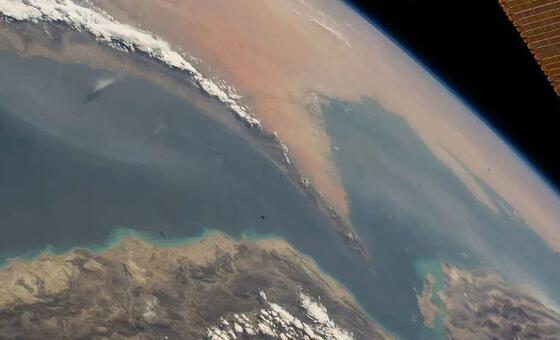
The Strait of Hormuz, a vital waterway for global oil and gas shipments, has become a focal point of the crisis. Control over this narrow passage, which sees over 20% of the world’s maritime oil trade, is a key strategic objective for both the US and Iran. Recent attacks by Iranian forces on US naval assets, coupled with retaliatory strikes from American-led coalition, have heightened the risk of prolonged conflict. Analysts warn that even a localized escalation could trigger a chain reaction, drawing in other regional powers and international allies, and potentially plunging the Gulf into a protracted war.
Guterres’s Call for De-escalation and Diplomacy
Speaking at a press briefing in New York, UN Spokesperson Stéphane Dujarric reiterated Guterres’s message that “the Gulf crisis must be resolved through dialogue, not confrontation.” The Secretary-General has called for immediate steps to reduce tensions, urging the involved parties to prioritize diplomacy over military action. His plea comes as the UN seeks to mediate between the US, Iran, and other stakeholders, including Gulf Cooperation Council (GCC) nations, who have expressed growing unease over the situation.
Guterres emphasized that the Gulf crisis has already placed immense pressure on civilian populations, with reports of displaced families and disrupted supply chains across the region. He warned that renewed large-scale hostilities could lead to devastating humanitarian consequences, including loss of life and economic hardship for millions. The UN has also highlighted the importance of maintaining open trade routes through the Strait of Hormuz, which is critical for stabilizing global oil prices and ensuring energy security for nations reliant on Middle Eastern imports.
“The Gulf crisis is not just a regional issue—it is a global one,” Guterres stated. “The exercise of navigational rights and freedoms must be respected by all sides, in line with international law, to prevent further escalation and ensure the continued flow of energy resources.”
Dujarric added that the Secretary-General has also urged the complete reinstatement of international navigational rights within the Strait of Hormuz, a measure that could help ease concerns among shipping companies and oil-producing nations. The UN’s intervention underscores its role as a key mediator in the region, despite the challenges posed by the conflict’s complex political landscape.
International Response and Regional Implications
As the Gulf crisis intensifies, the international community has called for calm, with leaders from Europe and Asia expressing solidarity with the UN’s position. European Union foreign policy chief Josep Borrell has warned that a full-scale war could have “severe repercussions” for global trade and security, while Saudi Arabia and the United Arab Emirates have reiterated their support for a diplomatic resolution. The crisis has also sparked debates about the role of external powers in the region, with some analysts questioning whether the US and Iran are moving toward a sustainable peace or a cycle of retaliation.
The Gulf crisis has not only tested diplomatic efforts but also exposed vulnerabilities in the region’s energy infrastructure. The Strait of Hormuz, a critical chokepoint for oil shipments, has been a recurring flashpoint, with both sides threatening to block traffic through the waterway. This has raised concerns about potential disruptions to global energy markets, as the region accounts for a significant portion of the world’s oil production. Guterres has called for coordinated efforts to ensure the safe passage of vessels and prevent economic fallout from the conflict.
With the Gulf crisis showing no signs of abating, the UN’s role as a peacekeeping body has become more crucial than ever. Guterres has urged all parties to consider the long-term consequences of their actions, emphasizing that the path to stability requires mutual trust and cooperation. The Secretary-General’s statements come at a time when the Middle East is on the brink of a new phase in the conflict, with military and economic stakes rising for every nation involved. The international community now watches closely, hoping that Guterres’s call for de-escalation will pave the way for a peaceful resolution and avoid the return to full-scale war.