
More than 500 people feared dead in double Myanmar shipwreck tragedy
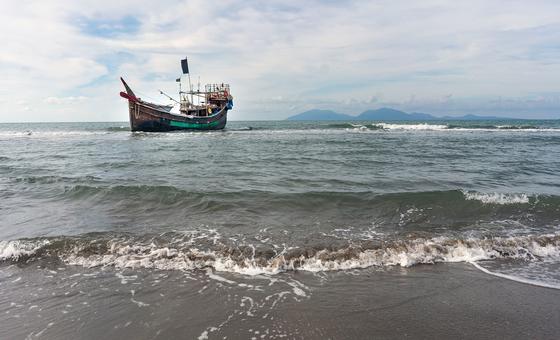
More Than 500 People Feared Dead in Dual Myanmar Shipwreck Tragedy
Qinilo.com – More than 500 people feared dead in a recent double shipwreck disaster off Myanmar’s coast, escalating concerns about the safety of maritime crossings in the region. The incident, which unfolded over the past few days, has left families and humanitarian organizations in shock, with urgent calls for increased rescue efforts and improved safety measures to prevent future tragedies. The dual disaster highlights the growing risks faced by refugees and displaced individuals seeking safer shores, as they continue to rely on perilous sea routes despite the dangers.
The Dual Shipwreck Incident
Two vessels carrying over 500 individuals sank in quick succession near Myanmar’s coastline, according to a joint statement released by the United Nations Migration Agency (IOM) and the United Nations Refugee Agency (UNHCR). The first boat, with an estimated 250 passengers, reportedly lost contact shortly after departure from Rakhine State, a region long plagued by conflict and displacement. The second ship, carrying around 280 people, was found submerged near the Ayeyarwady coast on July 8th, raising questions about the accuracy of early reports and the ongoing peril of such crossings.
“This incident reflects a concerning pattern that has persisted for some time. Hundreds have already perished in this region’s waters this year, indicating a troubling escalation in maritime fatalities,” remarked UNHCR spokesperson Matthew Saltmarsh.
The vessels involved in the tragedy were commonly used for refugee crossings, often operating beyond their capacity and ill-equipped to handle the unpredictable conditions of the Andaman Sea. Many of the passengers were ethnic Rohingya refugees, a community that has endured decades of systemic persecution under Myanmar’s military regime. With limited access to safe passage, the majority of these individuals have turned to dangerous sea routes to escape their homeland, often with little hope of survival.
Factors Contributing to the Crisis
Humanitarian agencies have identified several factors that have heightened the risk of such incidents. First, the recent heavy rainfall and flooding across Rakhine State and Bangladesh’s Cox’s Bazar refugee camp have worsened maritime conditions, making crossings even more hazardous. Second, dwindling funding for refugee programs has reduced the resources available to support displaced communities, forcing them into increasingly risky situations. Third, the ongoing civil war in Myanmar, which began after the February 2021 military coup, has created a desperate need for escape, with many families abandoning their homes in search of safety and stability.
According to the IOM-UNHCR statement, the crisis has been exacerbated by the government’s restriction of aid and the lack of durable solutions for Rohingya refugees. While the majority of those on board the vessels were from Rakhine State, some had also traveled from Cox’s Bazar, where approximately one million Rohingya reside. This highlights the interconnected nature of the crisis, with refugees moving between countries in search of better living conditions and security.
Humanitarian Response and Calls for Action
Following the shipwrecks, international aid organizations have intensified their efforts to locate survivors and assess the damage. However, the scale of the tragedy has underscored the urgent need for coordinated action to address the root causes of the displacement. The UN Human Rights Office also reported that foreign entities continue to supply arms, ammunition, and dual-use materials to Myanmar’s military, which has further complicated the situation for refugees and civilians alike.
“The loss of more than 500 people feared dead is a devastating reminder of the risks these individuals face,” said a representative from the IOM. “We must now focus on preventing similar incidents and ensuring that aid reaches those in need, both in Myanmar and the neighboring refugee camps.” The agencies have called for increased funding, improved vessel safety standards, and greater support for land-based alternatives to reduce the reliance on risky maritime routes.