
‘I consider it a miracle’: Pregnant woman pulled from post-quake rubble in Venezuela
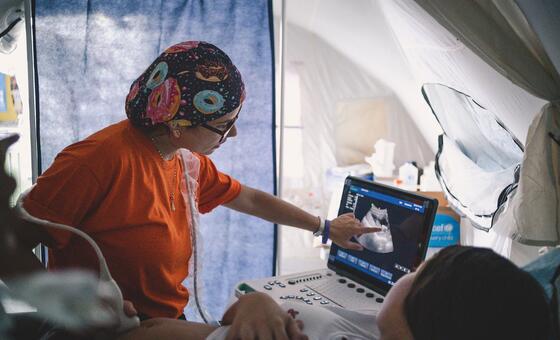
Pregnant Woman Rescued from Earthquake Rubble in Venezuela: ‘I Consider It a Miracle’
Qinilo.com – ‘I consider it a miracle’ — these words echo from Dayra Morales, a 20-year-old mother who narrowly escaped death when a 12-story building collapsed in La Guaira, Venezuela, following two devastating earthquakes in late June. The tremors, which shook the central-northern region, left many injured or trapped, but Morales was among the lucky few who emerged alive after a harrowing two-hour rescue operation from the sixth floor of the rubble.
A Survivor’s Struggle
The earthquakes struck on a seemingly ordinary evening, but for Morales and her partner Roberto Rodríguez, it became a life-changing ordeal. Rodríguez, 24, was at home when the first tremor hit, and the second, more powerful one, caused the building to crumble. “The ground shook violently, and the building fell like a pancake. People were screaming, and I had to run for my life,” Rodríguez recalled. Morales, who was inside, was buried under the debris, her survival dependent on the swift actions of neighbors and emergency responders.
“I remember feeling the walls collapse around me, and the panic that followed. But the moment I heard my partner’s voice calling for help, I knew I had to fight to live. I consider it a miracle that I was able to survive and carry my child to safety,” Morales said, her voice steady but filled with emotion.
UNFPA’s Role in the Crisis
Amid the chaos, the United Nations Population Fund (UNFPA) stepped in to provide critical medical support. Morales, who was discovered to be pregnant during a routine checkup at a UNFPA-supported clinic, now receives prenatal care and essential supplies in the José María Vargas sports complex. This facility, which houses over 1,000 displaced individuals, has become a lifeline for families in need, offering not only physical health services but also emotional and psychological aid.
“Even after falling from the sixth floor and being trapped from the waist down, the baby survived. I consider it a true miracle,” Rodríguez added, reflecting on the unexpected hope that her survival brought to the community.
Community Resilience and Solidarity
Yoseys Escalona, a 40-year-old volunteer in the shelter, highlighted the incredible resilience of the survivors. “In our tent, 12 families live together, sharing everything. Numbers shift constantly—some tents hold 15, others 20, and a few even up to 25 families,” she explained. Escalona, who also resides in the shelter with her husband and son, noted how the community has come together to support one another, despite the loss of homes and loved ones.
“We’re like one family. Women lead the way, organizing and helping each other. It’s not just about survival; it’s about rebuilding and moving forward,” Escalona said, emphasizing the strength found in collective effort.
The disaster has not only tested the physical limits of the survivors but also their emotional and psychological endurance. Escalona described the ongoing challenges, including overcrowding, limited access to clean water, and the risk of diseases spreading in the cramped conditions. “Despite the difficulties, people here are determined to keep their spirits high,” she added, underscoring the human spirit’s capacity to endure even the worst of circumstances.
Humanitarian Response and Challenges Ahead
UNFPA’s efforts have been instrumental in addressing the immediate needs of those affected by the earthquakes. The organization has been working alongside national authorities to deliver a range of services, including prenatal consultations, contraceptive distribution, and emergency obstetric care. These interventions are crucial in ensuring that women like Morales can access the medical support necessary for a healthy pregnancy and childbirth.
“We provide medical kits for rape treatment and conduct shelter assessments to identify vulnerable groups. Working with the government helps strengthen safety measures and ensure survivors can access care without hesitation,” said Eugenia Sekler, head of UNFPA’s Venezuela office.
Escalona, who has become a representative for her tent, has also taken on the role of educating others about gender-based violence. “Through training sessions, I learned how to guide people to essential services like psychosocial support and legal counseling,” she explained. This initiative not only empowers survivors but also raises awareness about the importance of addressing gender-based violence in disaster settings.
Long-Term Recovery and Hope
As the dust settles, the focus is now on long-term recovery. Over two weeks after the earthquakes, the displaced communities continue to face significant challenges, but hope remains a powerful force. “Some are completely alone, but they’re alive. That’s what matters most,” Escalona said. Morales, who is now in a stable condition, represents the resilience and determination of those who have lost everything yet cling to the possibility of rebuilding their lives.
Experts warn that the road to recovery will be long, with many families in need of permanent housing and sustained support. “The impact of this disaster extends beyond the immediate physical damage. It affects the emotional and psychological well-being of survivors, especially women and children,” Sekler emphasized. As the situation unfolds, the collective effort of volunteers, humanitarian organizations, and local authorities will determine how quickly the community can heal and rebuild.