
Cyberattacks and the digital divide are creating new barriers to HIV services
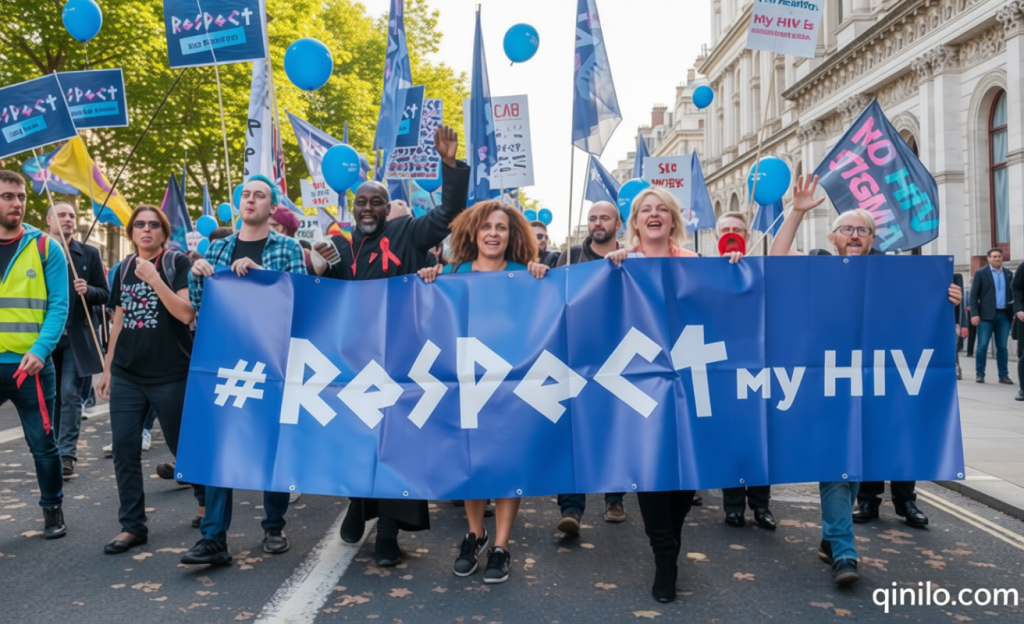
Technology-Driven Threats and Inequality Challenge Global HIV Response
Qinilo.com – The intersection of digital security and public health has emerged as a critical frontier in the ongoing battle against HIV/AIDS. According to Daria Ocheret, a specialist within UNAIDS, incidents ranging from cyberattacks to online harassment are increasingly hindering both prevention efforts and treatment access. She emphasizes that safeguarding digital spaces is now fundamentally linked to combating the epidemic itself.
As healthcare and social support systems transition to online platforms, ensuring privacy while preventing digital transformation from exacerbating existing disparities has become paramount. This dual challenge was highlighted during the COVID-19 pandemic, when sudden lockdowns forced HIV testing and care services onto digital channels almost immediately. The rapid shift revealed significant gaps in equitable access across different populations.
Unequal Access in the Digital Age
Examples from various regions illustrate these disparities clearly. In Zimbabwe, a local clinic published comprehensive online instructions for maintaining antiretroviral therapy during lockdown periods. However, many individuals living with HIV possessed only mobile data plans that permitted access to social media and messaging applications, rather than standard web browsers.
“The gap between our assumptions about how digital technologies could improve access to services and what people could actually access was something that really struck me,” Ms. Ocheret explained.
Similarly, in Kazakhstan, an initiative established by women living with HIV needed to assist clients in securing QR codes required for health facility entry. Some participants lacked mobile phones entirely, while others struggled with the technology despite having devices.
Ms. Ocheret noted that this digital divide extends beyond national borders, manifesting within communities themselves. Among key populations—including LGBTQI individuals, sex workers, and people who use drugs—connectivity levels vary dramatically. While some members are highly connected, others face barriers related to device availability, internet reliability, or digital literacy.
Escalating Digital Threats
Addressing these challenges demands comprehensive approaches. In 2020, UNAIDS supported capacity-building efforts for women’s organizations across Kazakhstan, Belarus, and Ukraine, focusing on digital security measures such as virtual private networks (VPNs). At that time, many of these threats remained largely hypothetical.
That landscape has shifted considerably. A survey conducted in 2025 covering twenty-one LGBTI organizations across seventeen nations revealed that most had experienced cyberattacks, frequently on multiple occasions, with considerable limitations in their response capabilities.
Digital violence cannot be viewed in isolation from offline realities. Offices and shelters operated by LGBTI groups face physical attacks alongside online threats. Currently, approximately sixty-four countries—representing roughly one-third of global nations—maintain laws criminalizing same-sex relationships. The Global AIDS Strategy targets reducing this figure to ten percent, a commitment reinforced through a political declaration adopted by member states on June 22.
“It would be wrong to say that digital technologies have caused an increase in violence,” Ms. Ocheret clarified.
“They have simply become another space where harm can be inflicted on key populations and on the organizations that support them.”
Privacy Risks and Emerging Solutions
Unauthorized access to personal records represents one of the most serious dangers for community-based organizations, especially in regions where same-sex relationships, sex work, or drug use carry legal penalties. Partners operating in Eastern Europe and Central Asia have documented incidents including fraudulent dating profiles, illegal phone searches, social media monitoring, extortion attempts, and coordinated disinformation campaigns aimed at activists.
One organization in Central Asia experienced a series of hacking and phishing incidents that compromised its office location and activist databases. These breaches led to harassment and blackmail, ultimately forcing the group to cease operations temporarily. Staff later resumed activities under a newly formed entity with dedicated cybersecurity protocols, though limited resources constrain regular security updates and secure device distribution.
Despite shrinking budgets, chatbots and similar digital tools offer cost-effective avenues for outreach. In Brazil, a chatbot designed for young transgender individuals has earned considerable trust. Some users disclose personal information to the bot that they might hesitate to share with human social workers.
However, this confidence relies heavily on maintaining confidentiality. Questions about medication side effects for HIV prevention or treatment can indirectly signal a user’s status. In environments characterized by stigma and criminalization, such disclosures carry potential consequences.
Shared devices further complicate privacy protections. Studies in Kenya indicate that many individuals use a single phone with family members, neighbors, or friends. Consequently, chatbot notifications or browsing histories may unintentionally expose someone’s HIV status to others sharing the same device.