
Conflict and crisis put six World Heritage sites at risk
Global Instability Endangers Six UNESCO World Heritage Sites
Qinilo.com – Conflict and crisis put six World Heritage sites at unprecedented risk as geopolitical tensions, environmental shifts, and human activities converge to threaten irreplaceable cultural and natural treasures. The United Nations Educational, Scientific and Cultural Organization (UNESCO) has officially placed these locations on its prestigious World Heritage in Danger list, signaling urgent need for international intervention and protection measures.
During a pivotal session convened in Busan, Republic of Korea, the World Heritage Committee exercised its authority to safeguard these vulnerable locations. The committee’s comprehensive review resulted in the emergency protection of three newly inscribed sites while simultaneously elevating three established World Heritage sites to the danger category, demonstrating the organization’s commitment to preserving humanity’s shared heritage.
UNESCO’s emergency mechanism responds to a world increasingly characterized by armed conflicts, climate emergencies, and compounding crises that generate serious threats to both cultural and natural heritage. The organization emphasizes that these dangers extend beyond physical damage to encompass threats to local communities, ecosystems, and centuries-old traditions that depend on these sites for their survival.
Emergency Protection for Newly Inscribed Sites
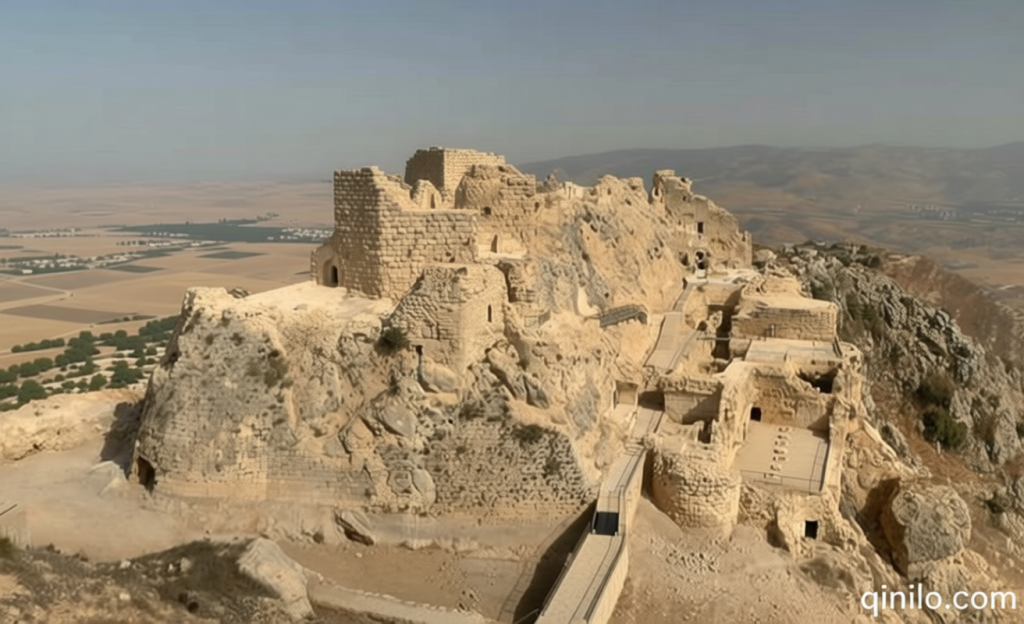
Three locations underwent an expedited emergency inscription process before joining the World Heritage in Danger list, each confronting distinct challenges stemming from regional conflicts and development pressures. MOUNT AMEL CASTLES IN SOUTHERN LEBANON encompasses five fortresses spanning the Crusader, Islamic, and Ottoman periods. Despite existing protections under international humanitarian law, these architectural marvels have suffered substantial damage from ongoing hostilities. The Committee explicitly acknowledged that “the ongoing conflict directly jeopardizes the site’s conservation and requires urgent intervention.”
SEBASTIA IN THE OCCUPIED WEST BANK preserves archaeological evidence documenting over two millennia of continuous human settlement and cultural development. UNESCO identified this Palestinian heritage site as facing escalating pressures from Middle Eastern geopolitical conflict alongside broader development initiatives. Proposals for establishing a national park within the area could potentially fragment the property and compromise its integrity.
South SUDAN’S BOMA-BADINGILO MIGRATORY LANDSCAPE accommodates the world’s largest documented terrestrial mammal migration, representing a critical natural heritage site. This designation illustrates how humanitarian emergencies simultaneously imperil natural heritage systems and the communities that depend on them.
The site “reflects the important cultural, and linguistic diversity of the region with several ethnic groups who have been custodians of this landscape through herding, farming and fishing for centuries and even millennia”.
Commercial poaching operations, wildlife trafficking networks, infrastructure expansion projects, and sustained regional insecurity are placing mounting strain on this ecosystem while undermining existing conservation initiatives. These interconnected threats demonstrate how conflict and crisis put six World Heritage sites under pressure from multiple directions.
Established Sites Elevated to Danger Status
The Committee also elevated three previously inscribed World Heritage sites to the danger category, recognizing that ongoing challenges require enhanced protection mechanisms. Ukraine’s ANCIENT CITY OF TAURIC CHERSONESE AND ITS CHORA has experienced significant deterioration following Russia’s temporary occupation of Crimea. UNESCO and the UN Satellite Centre (UNOSAT) have documented fresh construction activity and extensive archaeological excavations that threaten the site’s authenticity and integrity.
Lebanon’s ANCIENT CITY OF TYRE joined the danger list as continuing hostilities threaten one of the Mediterranean’s most important archaeological locations. This ancient Phoenician city has served as a crossroads of civilizations for millennia, making its preservation essential for understanding regional history.
Suriname’s HISTORIC INNER CITY OF PARAMARIBO was placed on the danger list after construction projects substantially modified its historic urban environment. The Dutch colonial architecture that defines this site faces threats from both development pressures and inadequate maintenance.
UNESCO’s List of World Heritage in Danger serves to mobilize international cooperation and technical assistance for locations confronting exceptional threats. The organization’s efforts demonstrate that conflict and crisis put six World Heritage sites at risk requires coordinated global response.
These year’s decisions highlight a wider truth: armed conflict, climate change, and development pressures are increasingly endangering not only cultural and natural heritage but also the communities, ecosystems, and histories they embody. The international community must recognize that protecting these sites represents protecting humanity’s collective future.