
Food prices edged up in July amid heatwaves and energy price hikes
Global Food Costs Rise as Climate and Geopolitical Pressures Mount
Qinilo.com – Food prices edged up in July, marking a modest but notable increase in global commodity costs as extreme weather patterns and energy market volatility converged. According to United Nations-backed food security specialists, Malawi is experiencing a significant reduction in hunger compared to the previous two years. This positive development stems largely from favorable harvest conditions during the 2025/26 agricultural cycle, which followed the devastating El Niño effects experienced in 2024/25.
Despite this progress, approximately 1.9 million residents remain trapped in crisis-level acute food insecurity, designated as IPC Phase 3 on a five-point scale. Experts anticipate worsening conditions throughout the lean period spanning October 2026 to March 2027, when the number of affected individuals could climb to 2.6 million. The convergence of climate challenges and economic pressures continues to shape food security outcomes across vulnerable regions.
High food prices, inflation, and below‑average staple production are driving acute food insecurity, while forecasts of strong El Niño during the 2026/27 rainy season underscore the need for close monitoring.
Staple Food Price Increases Across Multiple Categories
International food costs climbed modestly last month as extreme heat and geopolitical instability pushed energy prices upward globally. The UN Food and Agriculture Organization released fresh figures on Friday showing that a representative basket of essential foods cost one percent more in July compared to the same month a year earlier. This incremental rise reflects broader market dynamics affecting both developed and developing economies.
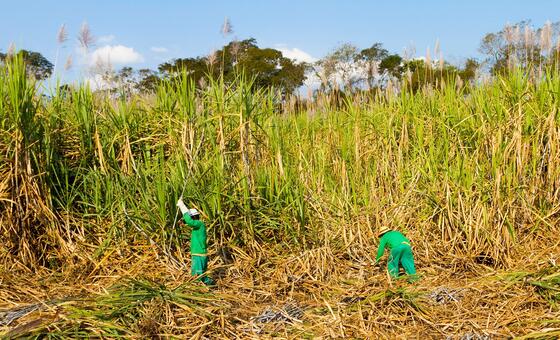
Sugar prices demonstrated particularly strong growth, jumping 5.6 percent during July. The FAO Food Price Index update attributed this surge primarily to worries about prolonged hot and dry conditions affecting crop yields within the European Union, alongside El Niño-related weather patterns in major Asian producing nations. These weather disruptions have created supply constraints that ripple through global markets.
Cereal prices climbed 3.4 percent from June, reversing earlier declines observed during the first half of the year. This movement placed cereal values 6.9 percent above their July 2025 benchmark. Meanwhile, rice prices remained relatively stable, though global wheat costs increased by 5.8 percent due to ongoing export disruptions from the Black Sea region following Russia’s full-scale invasion of Ukraine. These commodity shifts highlight the interconnected nature of international food markets.
Energy Markets and Weather Patterns Drive Commodity Shifts
World maize prices advanced 3.6 percent, supported by concerns regarding hot and dry weather across portions of the United States. The FAO also noted spillover effects from stronger energy markets amid rising geopolitical tensions. Energy costs play a crucial role in agricultural production, transportation, and storage, making energy price movements particularly significant for food affordability.
The vegetable oil price index climbed to its highest level since June 2022, gaining a full two percent. This increase connected to growing demand from Indonesia’s biodiesel industry alongside elevated crude oil prices. Soy oil became pricier due to strong feedstock requirements from the United States, while global prices for sunflower and rapeseed oil declined. These divergent trends illustrate how regional demand and supply factors create varied price movements across different oil categories.
Climate impacts from heatwaves and El Niño continue threatening agricultural harvests worldwide, while conflict and geopolitical uncertainty maintain pressure on market stability. Even with some improved harvest outcomes, millions of people globally remain vulnerable to food insecurity as these compounding factors persist. Policymakers and humanitarian organizations must coordinate responses to address both immediate needs and long-term resilience building.
Frequently Asked Questions
What caused food prices to rise in July? Food prices edged up in July primarily due to extreme heatwaves, El Niño weather patterns, and rising energy costs driven by geopolitical tensions. These factors combined to increase production expenses and reduce crop yields in key producing regions.
How many people in Malawi face food insecurity? Approximately 1.9 million residents in Malawi remain in crisis-level acute food insecurity (IPC Phase 3). This number is expected to rise to 2.6 million during the lean period from October 2026 to March 2027.
Which food commodities saw the largest price increases? Sugar prices showed the strongest growth at 5.6 percent, followed by cereal prices at 3.4 percent and maize at 3.6 percent. Vegetable oil prices also reached their highest level since June 2022.
What climate patterns are expected to affect food security? Forecasts indicate a strong El Niño during the 2026/27 rainy season, which could further impact agricultural production and food availability in vulnerable regions worldwide.