
Haitian children ‘paying the highest price’ amid surge in gang recruitment
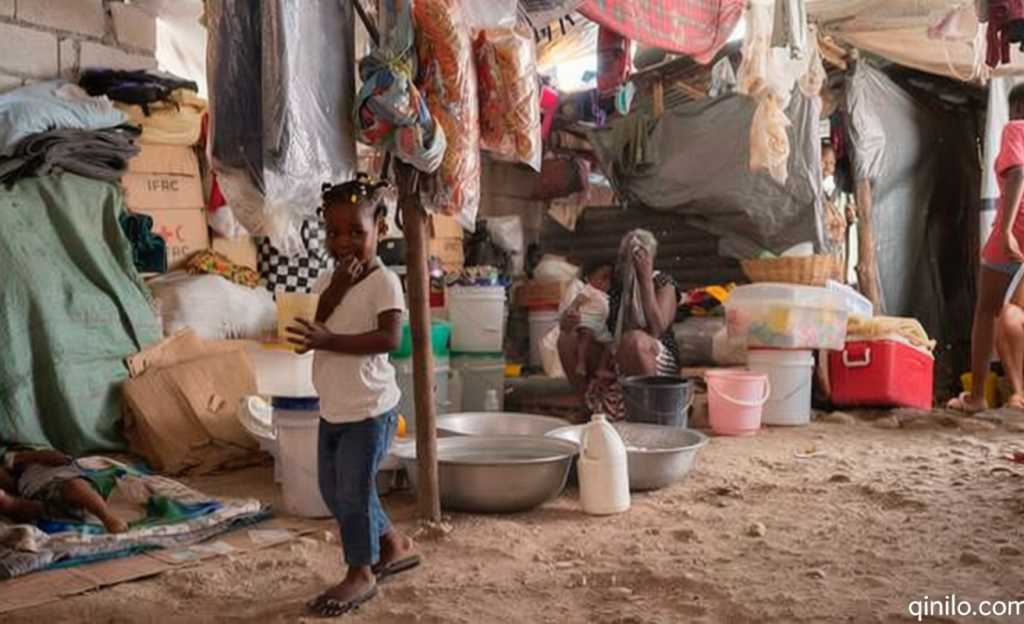
Haitian Children ‘Paying the Highest Price’ Amid Surge in Gang Recruitment
Qinilo.com – Amid escalating violence driven by gangs in Haiti, the UN Special Representative for Children and Armed Conflict has highlighted the alarming toll on the country’s youth, describing their plight as a critical humanitarian concern. During a recent briefing at the UN Headquarters, Vanessa Frazier expressed deep concern over the ongoing crisis, emphasizing that children are bearing the brunt of the instability gripping the nation.
Children at the Center of the Crisis
According to Ms. Frazier, nearly half of the gang members operating in Haiti today are children. This alarming trend emerged following her initial fact-finding mission to the Caribbean island, which revealed the extent to which youth are being drawn into armed groups. She shared these findings with journalists, underscoring the urgency of addressing the issue.
“Today, children in Haiti are facing levels of violence that no child, anywhere, should ever endure,” she stated.
The situation has deteriorated to the point where children’s daily lives are defined by fear and uncertainty. In regions where gangs hold de facto power, young people are subjected to threats, coercion, and violence, often leading to their forced participation in conflict. Ms. Frazier described this as a “daily struggle to survive,” with children experiencing family separations, displacement, and trauma as part of the broader instability.
Escalating Violence and Systemic Challenges
Since 2025, the number of children recruited by gangs has surged dramatically, nearly tripling in comparison to previous years. Simultaneously, incidents of killing, maiming, and abductions involving children have almost doubled. Sexual violence, in particular, has become a deliberate tool used by gangs to instill terror and punish communities, further exacerbating the crisis.
“Children in Haiti are subject to intimidation, violence, family separation, displacement, and trauma as gangs exploit their vulnerability,” she explained.
Despite efforts by the Haitian Government and its international partners to prioritize child protection, challenges remain. Ms. Frazier noted that while commitments have been made, implementation has lagged, leaving many children without adequate safeguards. She stressed that the child protection system must be strengthened to address these systemic failures.
Protocols and Reintegration Efforts
One key initiative aimed at improving the situation is the handover protocol signed with the UN in 2024. This agreement facilitates the transfer of children linked to gangs into the care of child protection services, ensuring they receive appropriate support and rehabilitation. Ms. Frazier highlighted that international juvenile justice standards are applied to children who have committed serious offenses, with detention reserved only as a last resort.
“I stressed in all my meetings that children encountered during security operations must be treated first and foremost as victims,” she said. “They must be swiftly handed over to child protection services for care, protection, and reintegration.”
However, Ms. Frazier cautioned that the principle of treating children as victims is not universally applied. Authorities, she noted, have at times detained minors without clear justification, creating a cycle of trauma rather than addressing their needs. This issue was starkly illustrated during her visit to a detention center in Port-au-Prince known as CERMICOL, where 80 children have been held for years in conditions she called “disastrous.” Many of these children are suspected of gang ties but have never faced a judge. Their families are often unable to visit them, leaving them isolated and vulnerable.
Hope in the Face of Hardship
Amid the despair, Ms. Frazier found hope in the testimonies of children she met. Despite the harsh realities they face, many young Haitians expressed a longing to return to normalcy. Their words resonated deeply, revealing a desire to attend school, play, and simply reclaim their childhoods.
“They told me they want only one thing: to go to school, to play, to learn, and simply to be children again,” she recounted. “Even in the darkest moments, Haitian children continue to show extraordinary resilience. They deserve more than survival—they deserve the chance to grow, to dream, and to reclaim their childhood.”
The humanitarian crisis has been compounded by the destruction of infrastructure. Reports indicate that 18,000 schools across Haiti have been rendered non-functional due to gang activity, isolating children from education and basic services. This has increased their susceptibility to recruitment and exploitation. Additionally, the use of schools and hospitals as military bases has intensified, further undermining the protection environment for vulnerable populations.
Pathways to Recovery
As the Security Council-mandated Gang Suppression Force (GSF) prepares to deploy on 1 June, Ms. Frazier urged authorities to act decisively. She called for the immediate release of children detained in “disastrous conditions” and emphasized the importance of adhering to the handover protocol to ensure their rights are protected. “There is a window of opportunity now to do the right thing,” she said, linking the success of the GSF to the broader goal of securing children’s futures.
Reintegration programs are also being expanded, particularly in urban centers like Port-au-Prince and Les Cayes. A new facility in Les Cayes is under renovation to accommodate up to 600 children separated from gangs, providing them with a safe space to rebuild their lives. These efforts aim to address both the immediate needs of children and the long-term impact of their displacement.
Ms. Frazier concluded her remarks with a powerful reflection on the resilience of Haitian children. Despite the violence and chaos, they remain hopeful and determined to reclaim their lives. “I was profoundly moved by the resilience and courage of these young individuals,” she said, underscoring the importance of continued support for their recovery and development. The stakes, she emphasized, are high: without intervention, the cycle of violence and exploitation will persist, leaving an indelible mark on generations to come.
As the situation in Haiti worsens, the global community faces a critical moment to step in. The handover protocol and reintegration initiatives are vital tools, but their success depends on consistent application and political will. With the GSF set to launch, there is an opportunity to shift the narrative from one of suffering to one of renewal, ensuring that children are no longer the primary victims of a crisis that demands urgent action.