
Human cost of violence in South Sudan ‘continues to grow’
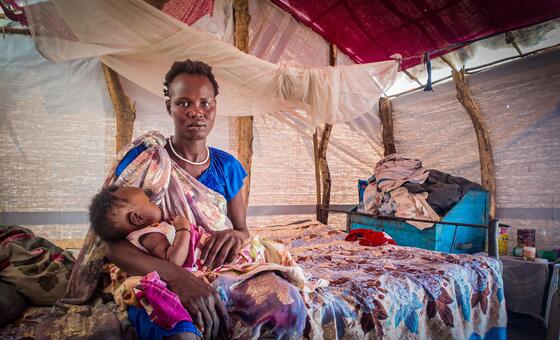
South Sudan Faces Mounting Pressure as Violence and Political Strains Deepen
Qinilo.com – South Sudan is approaching a decisive period with elections planned for December, yet renewed violence, insecurity and political tension are raising serious concerns about the country’s ability to hold peaceful and credible polls. Independent human rights investigators have warned that civilians continue to bear the heaviest burden of instability, while the transition toward democracy remains fragile.
The concerns followed a four-day mission by the UN Commission on Human Rights in South Sudan, its 14th fact-finding visit to the country over the past decade. Commissioners met government representatives, political and security actors, civil society organizations and other stakeholders during the visit.
They urged authorities to act swiftly to protect people at risk, ensure aid reaches communities in need and establish the conditions for broad political engagement before the vote. The Commission said worsening violence, a restricted civic environment, corruption and the absence of accountability for serious abuses are all undermining both public safety and the political transition.
A population living with recurring insecurity
South Sudan became independent from Sudan in July 2011, making it the world’s youngest country. Less than three years later, conflict erupted amid a power struggle involving President Salva Kiir and Vice-President Riek Machar. Although a peace agreement was signed in 2018, fighting and local insecurity have persisted in many areas.
Commission Chair Yasmin Sooka travelled to Jonglei state, where she spoke with people affected by recent fighting in the northern part of the state. Survivors described killings, forced displacement, sexual violence and separation from relatives. Some also said they had been unable to obtain medical treatment, psychosocial support or other essential services, including people with urgent health needs.
“Visit after visit, we continue to hear from people who bear the consequences of violence, displacement, insecurity and the failures of those with political and security responsibilities to prevent and address those harms,” she said.
“The patterns have changed little, while the human cost continues to grow. South Sudanese people deserve better than to have their lives shaped by recurring cycles of violence and uncertainty.”
For families displaced by violence, insecurity can mean far more than the immediate loss of homes or belongings. It can disrupt access to food, health care, education and support networks, while making it harder for humanitarian workers to reach isolated communities. The Commission highlighted attacks on civilians, killings, displacement and interruptions to aid operations as continuing threats.
Aid workers themselves face increasing risks. At a time when humanitarian needs remain severe and funding is limited, the Commission stressed the importance of support for humanitarian operations and for the UN Mission in South Sudan, known as UNMISS.
Commissioners also raised alarm over a recent attack on an UNMISS patrol in Jonglei. Two peacekeepers were killed and others were injured. They called for a full investigation and for those responsible to face accountability.
Elections require safeguards, not simply a date
The planned December elections would be South Sudan’s first since independence. Their significance is considerable, but the Commission has cautioned that an election held without key protections could intensify tensions rather than resolve them.
Among the measures seen as essential are meaningful political dialogue, fair opportunities for participation, an open civic space and trusted ways to settle electoral disputes. Without such safeguards, the Commission has warned that the electoral process could contribute to renewed conflict and increase the danger of atrocity crimes.
Commissioner Barney Afako said the 2018 Revitalized Agreement remains central to the prospect of a peaceful and democratic future, even though its implementation has stalled.
“Even as the country heads for elections, political and civic space has narrowed, while many of the safeguards and conditions for peaceful and credible polls are still missing,” he said.
“South Sudanese do have a right to vote; that right must be protected by ensuring they can participate freely, compete fairly, and resolve any electoral disputes through credible adjudication. These are the safeguards that will prevent an election from becoming a trigger for violence and disruption.”
The Commission repeated its call for a genuine, inclusive political process that involves the Sudan People’s Liberation Movement-in-Opposition, led by Mr. Machar, alongside holdout groups, civil society representatives, women and young people. Inclusion is especially important in a country where political exclusion and unresolved competition for power have repeatedly fed mistrust and conflict.
Corruption and impunity remain central obstacles
Political instability is compounded by longstanding concerns over public resources and accountability. The Commission said there has been insufficient progress since its 2025 report, which examined how entrenched corruption, diversion of funds and poor allocation of public resources affect human rights.
Where public institutions lack resources and confidence, communities may find it harder to seek justice, access basic services or believe that electoral institutions will protect their rights. The Commission emphasized that accountability is not separate from peacebuilding; it is a necessary part of preventing future abuses.
“All these years, the Commission has documented serious violations and identified the same underlying problem: impunity. Too often, those responsible for grave abuses have not been held accountable, while institutions responsible for justice remain weak and under-resourced,” said Commissioner Carlos Castresana Fernández.
As December approaches, the central challenge is not only organizing an election, but ensuring that South Sudanese citizens can take part without fear, coercion or violence. Protecting civilians, restoring room for civic and political activity, supporting humanitarian access and pursuing accountability will be critical to whether the country’s next political milestone strengthens peace or exposes existing divisions to further strain.
Related Reading
Frequently Asked Questions
What is Human cost of violence in South?
Human cost of violence in South is the main topic of this guide. The article explains the context, practical details, and next steps readers should understand.
Why does Human cost of violence in South matter?
Human cost of violence in South matters because readers are looking for a useful answer, not just a short summary. Good content should match search intent and help them decide what to do next.