
Report warns of reprisals against those who engage with the UN on human rights
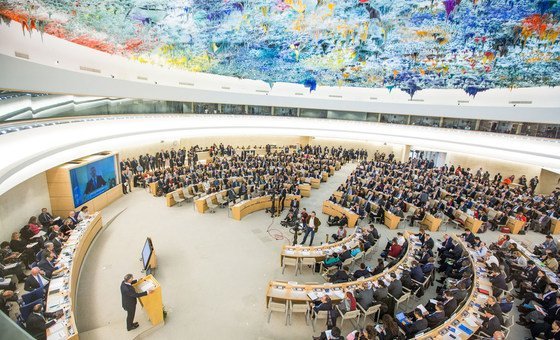
UN report highlights continuing threats against human rights advocates
Qinilo.com – People who engage with the United Nations on human rights issues are still being subjected to intimidation and reprisals, placing activists, lawyers and other contributors at risk for sharing information, seeking protection or taking part in international human rights processes.
A new report issued on Wednesday by the Secretary-General calls for stronger safeguards and greater accountability when individuals face consequences for cooperating with the UN. The warning underscores a persistent challenge for the international human rights system: people cannot safely raise concerns when speaking openly may expose them to pressure, harassment or other forms of retaliation.
Participation requires protection
Human rights mechanisms depend on people who can describe conditions in their communities, provide testimony, submit evidence and communicate with independent experts. Civil society representatives, legal professionals, journalists, community leaders and victims of alleged abuses can all play a role in bringing important issues to international attention.
That participation is weakened when people fear punishment for engaging with the UN. Reprisals can discourage victims from coming forward, limit the ability of advocates to work freely and reduce the quality of information available to human rights bodies. In practical terms, a threat directed at one person can have a wider chilling effect on an entire community or organization.
The report places particular attention on activists and lawyers, whose work often involves assisting people affected by discrimination, violence, detention or other alleged violations. Their ability to communicate with international institutions is an important part of ensuring that concerns can be examined beyond local or national settings.
Why accountability matters
The Secretary-General’s call for accountability reflects the need for meaningful responses when cooperation with the UN leads to intimidation or punishment. Protection is not limited to preventing immediate harm. It also involves creating conditions in which people can contribute to human rights discussions without fearing consequences for themselves, their families, colleagues or organizations.
Governments and other authorities have responsibilities to respect the rights of people who communicate with UN bodies and representatives. Those rights include freedoms connected to expression, peaceful assembly and association, as well as the ability to seek and share information. When these freedoms are restricted in response to engagement with international human rights institutions, the consequences can reach far beyond an individual case.
Effective accountability can help demonstrate that retaliation will not be tolerated. It may involve examining allegations, protecting those at risk and addressing conduct that prevents people from participating safely. Clear protections are especially important for individuals who may already be vulnerable because of their public role, the subjects they raise or the communities they represent.
A test for the human rights system
UN human rights work relies on cooperation from people with direct knowledge of events and conditions on the ground. International experts and bodies cannot fully assess many concerns without access to information from those affected. Reprisals therefore pose a serious obstacle not only to individual rights, but also to the broader effort to monitor and improve human rights protections.
The issue extends beyond formal meetings or written submissions. Engagement with the UN can include speaking to experts, contributing to reviews, attending sessions, supporting victims or sharing information relevant to human rights assessments. People should be able to take part in those activities without being intimidated for doing so.
The report’s warning is a reminder that human rights participation must be matched by practical safety. Recognition of a problem is important, but it must be accompanied by measures that allow advocates and affected individuals to continue their work without retaliation.
For readers, the central concern is straightforward: international human rights commitments have limited value if the people most able to describe violations cannot safely speak. Protecting those who cooperate with the UN helps preserve access to information, supports justice efforts and strengthens the ability of human rights institutions to respond to real-world abuses.
The Secretary-General’s report calls attention to the continuing need for stronger protection and accountability. Its message is that engagement with the UN on human rights should never become a reason for intimidation or reprisals.
Related Reading
Frequently Asked Questions
What is Report warns of reprisals against those?
Report warns of reprisals against those is the main topic of this guide. The article explains the context, practical details, and next steps readers should understand.
Why does Report warns of reprisals against those matter?
Report warns of reprisals against those matters because readers are looking for a useful answer, not just a short summary. Good content should match search intent and help them decide what to do next.