UN Member States weigh latest Security Council veto, this time on Iran
General Assembly Turns Spotlight on Iran-Related Security Council Veto
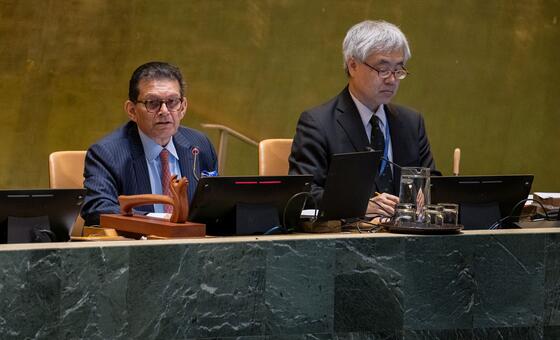
Qinilo.com – UN Member States gathered on Thursday to consider the consequences of a recent Security Council deadlock involving Iran’s nuclear facilities. The discussion followed vetoes by China and Russia against a United States-backed proposal concerning a panel of experts connected to sanctions on Iran.
The meeting placed renewed attention on a recurring challenge for the United Nations: how the wider membership should respond when the Security Council, the body charged with primary responsibility for international peace and security, cannot act because of disagreement among its permanent members.
A Dispute Over a Proposed Expert Panel
At the centre of the debate was a proposal supported by the United States to establish or maintain a sanctions-related panel of experts focused on Iran’s nuclear facilities. Such panels can play an important role in examining information relevant to sanctions implementation, assessing compliance questions and helping UN Member States understand complex technical and policy issues.
China and Russia used their veto powers in the Security Council to block the proposal. Their decision prevented the Council from adopting the measure, prompting the matter to move into the General Assembly for broader discussion.
The Assembly’s consideration does not replace the Security Council’s authority to make binding decisions on peace and security matters. It does, however, provide every Member State with an opportunity to express its view on the use of the veto, the underlying issue and the wider effects of paralysis in the Council.
Why the General Assembly Is Examining the Veto
The General Assembly has increasingly served as a forum for reviewing vetoes cast in the Security Council. These meetings are intended to encourage transparency and give the international community a chance to hear explanations from the countries that used the veto, as well as from states affected by the impasse.
For many delegations, the process is also an opportunity to raise broader questions about the Council’s effectiveness. A veto can halt action even when other Council members support a proposal, leaving diplomatic disagreements unresolved and limiting the UN’s ability to respond through the mechanism designed for that purpose.
The Iran discussion therefore carried significance beyond the immediate question of a sanctions expert panel. It highlighted the continuing tensions among major powers over how to address nuclear-related concerns, sanctions monitoring and the role of multilateral institutions in managing disputes.
Iran’s Nuclear File Remains a Sensitive International Issue
Iran’s nuclear programme has long been a subject of international concern and diplomacy. Debate over the issue has involved questions of nuclear safeguards, verification, sanctions and regional security. It has also exposed sharp divisions among governments over the most effective way to pursue accountability, reduce tensions and preserve space for negotiations.
Expert mechanisms are often sought when Member States believe that detailed, independent assessment can support informed decision-making. Their work may help clarify technical developments and provide a common factual basis for future diplomatic discussions. When agreement on such a mechanism breaks down, those differences can become more difficult to bridge.
The latest veto underscores that disagreements about Iran are not limited to the substance of nuclear policy. They also concern the tools used by the international community, the balance between pressure and diplomacy, and the degree to which Security Council members are prepared to endorse collective oversight.
What the Debate Means for Member States
During the General Assembly meeting, Member States have a venue to address both the specific veto and the principles raised by its use. Smaller and middle-sized countries, which do not hold permanent seats on the Security Council, can use the session to make their views known directly in a universal forum.
These debates can also shape the political environment around a blocked issue. Although they do not automatically reverse a Security Council decision, they can show where international opinion stands, identify areas of disagreement and encourage further diplomatic engagement.
The discussion comes at a moment when confidence in multilateral cooperation is under pressure in several areas. Repeated divisions among permanent Security Council members have raised concerns that urgent international questions may be left without a coordinated response. The Iran-related veto adds another example of how geopolitical rivalry can affect the functioning of the UN system.
Continued Diplomacy Will Be Essential
No immediate resolution was created by the General Assembly’s examination of the veto. Still, the meeting gives governments an opportunity to restate their positions and consider whether further dialogue is possible.
The central issue remains the same: how Member States can address concerns surrounding Iran’s nuclear facilities while maintaining a functioning international framework for consultation, verification and peaceful dispute management. The Security Council’s impasse may have stopped the United States-backed proposal, but it has also ensured that the debate will continue across the wider UN membership.
For diplomats and observers, the episode is a reminder that the veto remains one of the most consequential powers within the United Nations. Its use can reshape not only a single proposal, but also the broader path available for collective action on matters with international security implications.
Related Reading
Frequently Asked Questions
What is UN Member States weigh latest Security?
UN Member States weigh latest Security is the main topic of this guide. The article explains the context, practical details, and next steps readers should understand.
Why does UN Member States weigh latest Security matter?
UN Member States weigh latest Security matters because readers are looking for a useful answer, not just a short summary. Good content should match search intent and help them decide what to do next.