
‘Women are not victims’: Türk calls for women to be at the heart of peace and security
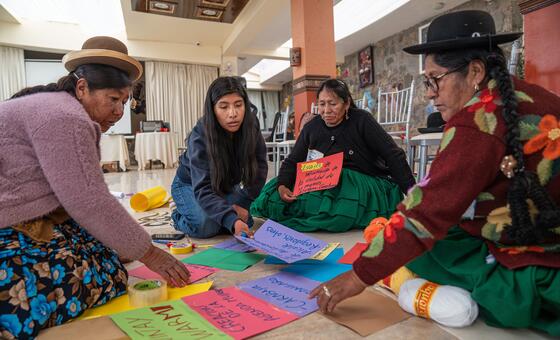
Women’s leadership must shape peace and security, Türk says
Qinilo.com – Women are not victims of conflict alone; they are leaders, mediators and human rights defenders whose voices must guide peace and security decisions, UN High Commissioner for Human Rights Volker Türk said. In a video message to the International Civil Society Action Network’s 2026 Forum on Women, Peace and Security in The Hague, he called for women to be treated as essential partners in building safer societies.
His appeal comes as growing conflict places women and girls in increasingly dangerous conditions. Data for 2024 showed that around 676 million women and girls lived within 50 kilometres of an active conflict zone, the highest figure recorded since the end of the Cold War.
Conflict deepens existing inequality
War can interrupt healthcare, education, livelihoods, justice systems and family life. Türk warned that women and girls often carry a disproportionate share of the harm, including through conflict-related rape, abduction, trafficking and sexual slavery.
Discrimination that exists before violence begins can make these threats more severe. Women and girls who are racially or ethnically marginalised, or who experience prejudice based on religion or other characteristics, may face additional obstacles when seeking safety, services and justice.
“The lower the resources allocated to women – in terms of health, wealth and education – the greater their exposure to harm,” Türk said.
He stressed, however, that women must not be viewed only through the suffering they endure. The reality that Women are not victims is reflected in the work they continue to carry out in communities affected by violence.
Women lead in the hardest circumstances
Across the world, women organise local support, mediate disputes, document violations and help communities respond to urgent needs. They may connect neighbours with food, shelter, care and information while sustaining networks that are vital when institutions are under strain.
“But women are not victims,” Türk said. “On the contrary: all over the world, even in the harshest and most violent environments, women continue to lead, organise, mediate, and document violations.”
That local knowledge is crucial for early warning, humanitarian action and violence prevention. Yet women’s contributions on the ground are too often separated from formal peace talks, political institutions and security decision-making.
Türk said peace processes are stronger when they include people who understand the daily realities facing displaced families, survivors of violence, caregivers and local communities. Women are not victims to be consulted after decisions are made; they should be full participants in shaping those decisions from the beginning.
Human rights are central to security
The High Commissioner also urged a broader understanding of security, one based on equality, accountable institutions, social and economic justice, non-violent mediation and human rights. He warned against allowing rising military expenditure to squeeze funding for essential public services.
“Equality; impartial institutions for policing and accountability; economic and social justice; non-violent mediation; and governance that fulfils people’s human rights make a society far more safe than spiralling military budgets that choke off spending for essential services,” he said.
Protecting rights helps societies withstand political, economic and social shocks, Türk said. Fairness, access to justice and meaningful participation can strengthen social cohesion and create conditions in which peace is more likely to endure.
“Upholding human rights is an investment in enduring social cohesion,” he said. “It builds societies that are resilient to shocks, because they are fair.”
FAQ: Women, peace and security
Why is women’s participation important in peace processes?
Women bring direct knowledge of community needs, local risks and the effects of conflict on families and public services. Their participation can help ensure that peace agreements address the concerns of the people expected to live with their outcomes.
What roles do women play during conflict?
Women often organise community support, provide care, mediate disputes, document abuses and contribute to protection efforts. Their work can be vital to humanitarian response, accountability and local peacebuilding.
What does it mean to say women are not victims?
It does not deny the serious harms women and girls face in conflict. Instead, it recognises their agency, leadership and right to influence the policies, institutions and peace efforts that affect their lives.