
Global warming will breach 1.5°C – but deep, fast cuts can still bring it back
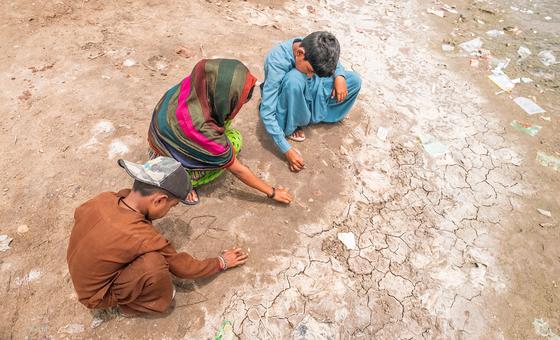
Deep emissions cuts can limit global warming overshoot
Qinilo.com – Global warming will breach 1 5°C, according to the UN Environment Programme’s Emissions Gap Report 2026, but the outcome is not fixed. Governments can still limit the scale and duration of the overshoot through deep, rapid cuts in greenhouse gas emissions and return temperatures below the Paris Agreement threshold by the end of the century.
The report, titled The Point of Return, says the lowest-overshoot pathway would see warming peak at roughly 1.7°C to 1.8°C around mid-century before falling. Achieving that result would require much stronger action across energy, transport, industry and other major sources of emissions.
Compared with 2025 levels, global emissions would need to decline by 18 per cent by 2030, 45 per cent by 2035 and 69 per cent by 2040. The figures highlight how quickly national commitments must be translated into practical policies, investment and cleaner infrastructure.
“Overshoot is not surrender,” UN Secretary-General António Guterres said. “We can still keep it as small and as short as possible – and bring temperatures back below 1.5 degrees by the end of the century.”
Current policies point to much higher warming
Without stronger measures, current policies are projected to lead to around 2.8°C of warming this century, with temperatures continuing to rise beyond that point. Even if countries fully implement their existing national climate plans under the Paris Agreement, projected warming would still reach about 2.6°C.
The outlook has worsened since the previous assessment. UNEP linked the change to the United States leaving the Paris climate agreement and updated calculations of historical emissions. New nationally determined contributions, or NDCs, submitted since the earlier report have made little overall difference to the projected temperature rise.
The difference between 1.5°C and higher levels of warming carries serious consequences. More warming raises the risks associated with extreme heat, floods, droughts, wildfires and growing pressure on food systems, water supplies and infrastructure.
“Every additional fraction of a degree and additional year of warming above 1.5°C increases climate impacts and risks,” said UNEP Executive Director Inger Andersen, pointing to deadly floods, heatwaves and wildfires affecting many countries.
Renewables and efficiency offer practical opportunities
While global warming will breach 1 5°C temporarily, the report says the world has more tools for faster climate action than it had when the Paris Agreement was adopted in 2015. Renewable energy has expanded quickly, growth in coal and oil supply has slowed compared with earlier projections, and climate policies have helped curb emissions in many places.
Those gains show that policy decisions and technology deployment can reshape emissions trends. However, the pace remains insufficient for the lowest-overshoot pathway, making faster implementation essential over the next decade.
A central priority is delivering commitments identified through the first Global Stocktake, which reviewed collective climate progress from 2021 to 2023. Key aims include tripling global renewable energy capacity and doubling the annual rate of energy-efficiency improvement by 2030.
Expanding clean power and improving efficiency can reduce reliance on fossil fuels while making homes, businesses, transport networks and public infrastructure more effective. These measures can also help countries meet near-term targets rather than depending mainly on long-term promises.
COP31 can strengthen climate commitments
Many Global Stocktake goals are not yet being implemented at the speed required. The second Global Stocktake, due to begin next month at the UN COP31 climate conference in Antalya, Türkiye, gives countries a chance to strengthen their mitigation plans and set clearer objectives for 2035 and 2040.
Global warming will breach 1 5°C, but the report’s message is that limiting peak temperatures remains possible. Faster emissions reductions, stronger national plans and sustained investment in clean energy can still reduce the damage caused by climate change.
Frequently asked questions
What does it mean that the world will exceed 1.5°C?
It means average global temperatures are expected to rise above 1.5°C compared with pre-industrial levels. UNEP says this does not mean efforts to limit warming should stop, because the size and length of the overshoot can still be reduced.
What needs to happen to bring temperatures back down?
Countries need to cut emissions quickly, expand renewable energy, improve energy efficiency and strengthen climate plans. The report identifies major reductions by 2030, 2035 and 2040 as necessary for the lowest-overshoot pathway.
Why does every fraction of a degree matter?
Each additional rise in temperature increases climate risks. Limiting warming can help reduce the severity of heatwaves, flooding, droughts, wildfires and disruptions to food, water and infrastructure.