
WHO warns DR Congo Ebola outbreak is outpacing response as Uganda reaches milestone
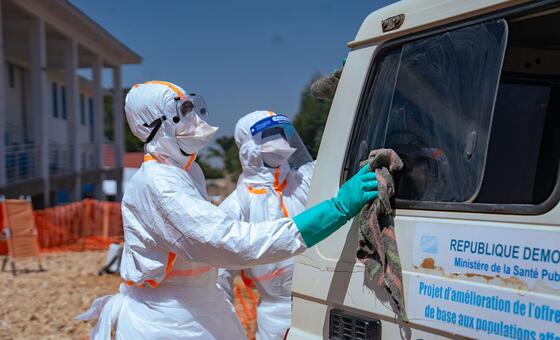
WHO Warns DR Congo Ebola Outbreak Outpaces Response
Qinilo.com – The World Health Organization (WHO) has issued a stark warning that the Ebola outbreak in the Democratic Republic of the Congo (DRC) is growing faster than the current response efforts. This alarming situation has placed the DRC’s epidemic among the largest in history, with over 2,273 confirmed cases and 796 reported deaths as of July 2026. The outbreak, which began in March, has tested the limits of regional health systems and highlighted the urgent need for expanded resources and coordination. WHO Director-General Tedros Adhanom Ghebreyesus emphasized that the epidemic’s speed and scale are now surpassing previous trends, raising concerns about its potential to spread further without immediate action.
Outbreak Dynamics and Regional Impact
According to Tedros, the DRC’s Ebola outbreak is particularly concerning due to its rapid spread in the early stages, which has outpaced the response so far. The most affected area is Ituri province, a region known for its political instability and limited healthcare access. Over 80% of new infections are occurring in areas where contact tracing is challenging, making it difficult to isolate and treat cases effectively. Additionally, the majority of deaths are concentrated in communities where individuals delay seeking medical care, often due to fear, misinformation, or lack of infrastructure. This pattern has created a cycle of undetected transmission, complicating containment efforts.
“Despite the progress we have made, the outbreak in DRC is continuing to outpace the response,” Tedros stated during a recent press briefing in Geneva. He stressed that the epidemic’s trajectory is now a critical test for global preparedness and that the current measures are insufficient to curb its spread.
Community engagement has been a key focus, with over 21,000 health workers trained to support contact tracing and awareness campaigns. However, the WHO has pointed out that the existing infrastructure for case detection and treatment is still inadequate, with only 800 beds available for patients. The organization is urging increased funding and logistical support to expand treatment capacity and improve surveillance systems, which are essential for tracking the virus’s spread in remote and conflict-affected zones.
Uganda’s Success and Regional Collaboration
Meanwhile, neighboring Uganda has achieved a significant milestone in its Ebola response, marking a turning point in the region’s efforts to control the outbreak. The country’s last confirmed Ebola patient was discharged after two consecutive negative tests, initiating a 42-day period during which the outbreak will be monitored for any signs of resurgence. Uganda has reported 20 cases and two deaths since the outbreak was first detected on May 15, 2026, demonstrating the effectiveness of early intervention and community-based strategies.
“With early diagnosis and safe care, this disease can be survived and stopped,” Tedros said, applauding Uganda’s progress. The WHO representative in Uganda, Dr. Kasonde Mwinga, noted that the country’s success is a result of its strong health systems and rapid mobilization of resources, despite the majority of infections tracing back to the DRC.
Uganda’s experience offers a model for other nations in the region, including the DRC, as they work to strengthen their own response. The country’s ability to isolate cases and implement strict quarantine measures has been credited with preventing a larger outbreak. However, Dr. Mwinga also warned that the threat remains, as the virus continues to move across borders, requiring sustained vigilance and international cooperation to mitigate risks.
Global Funding Shortfalls and Strategic Priorities
The WHO has highlighted a critical funding gap in the DRC’s Ebola response, with the joint response plan between WHO and Africa CDC currently underfunded by over $400 million. This shortfall has hindered the ability to deploy adequate medical staff, equipment, and vaccines to affected areas. Tedros argued that this is not just a humanitarian crisis but an investment in national security, stressing the importance of political commitment and financial support to ensure long-term stability.
“The challenge is not the lack of solutions, but the lack of funding to deploy them at the scale needed,” said Gilles Fagninou, UNICEF’s Regional Director, during a visit to Ituri province. Fagninou emphasized that without increased funding, the DRC will struggle to maintain its current momentum and address the epidemic’s growing complexity.
UNICEF has also called for urgent assistance, noting that only 25% of its required funds are currently available. The organization is working closely with local governments to enhance community outreach and improve access to healthcare services. These efforts are crucial for preventing the outbreak from becoming a regional disaster and for ensuring that vulnerable populations receive timely care and protection.
Challenges in Conflict Zones
Compounding the crisis is the ongoing conflict in Ituri province, which has disrupted health operations and forced the relocation of medical facilities. A treatment center in Bunia was recently attacked, underscoring the risks posed by instability to public health initiatives. Despite these challenges, health workers have continued to operate in the region, often under dangerous conditions, to provide care and prevent the spread of the virus.
Local leaders and international partners are now working to secure safe zones for healthcare delivery and ensure that communities remain engaged in prevention efforts. The WHO has also called for the deployment of additional mobile clinics and field hospitals to reach remote areas where the outbreak is most active. These measures, combined with improved surveillance and community education, are seen as vital to slowing the epidemic’s progress and protecting at-risk populations.
As the DRC’s outbreak enters a critical phase, the WHO is urging governments, non-governmental organizations, and private donors to prioritize funding and resources for the region. The organization has also emphasized the importance of maintaining public trust through transparent communication and culturally sensitive outreach strategies. With the global health community closely monitoring the situation, the hope is that coordinated efforts will prevent the outbreak from escalating further and save additional lives.