
Hunger deepens for displaced families in Sudan’s El Obeid
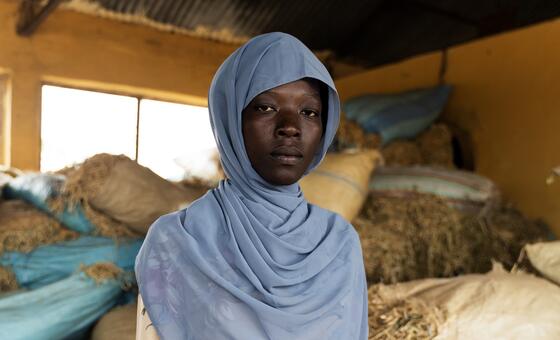
Hunger Deepens for Displaced Families in Sudan’s El Obeid
Qinilo.com – Hunger deepens for displaced families in Sudan, particularly in the city of El Obeid, where the situation has deteriorated sharply over the past year. The conflict in the region has driven over 100,000 internally displaced individuals into food-insecure conditions, forcing them to rely heavily on humanitarian aid for survival. With limited local resources and ongoing challenges in supply chains, the demand for assistance continues to grow, intensifying the strain on already fragile systems. As the war in Sudan enters its third year, the deepening hunger among displaced families underscores the urgent need for sustained international support.
The Escalating Crisis in El Obeid
El Obeid, once a hub of agricultural activity in Sudan’s White Nile State, has transformed into a city where scarcity and desperation are the norm. According to UN reports, the displacement crisis has reached a critical point, with many families facing daily struggles to access basic necessities. The situation is compounded by the prolonged conflict, which has disrupted farming and trade, leaving communities without reliable sources of sustenance. Displaced individuals now depend on meager rations distributed by organizations like the World Food Programme (WFP), which has become a lifeline for thousands.
“We are providing only partial food rations, yet these are being split among multiple families because they lack other means to support themselves,” explained Abdallah Alwardat, the WFP Sudan Country Director. “The people know they cannot afford to waste any portion of what we give.”
The challenges in El Obeid are not just logistical but also deeply human. With food prices soaring and local markets struggling to operate, displaced families are often forced to choose between buying food or paying for fuel. This scarcity has led to a sharp increase in malnutrition rates, especially among children, who are particularly vulnerable to the effects of hunger. The WFP, working in partnership with other agencies, has been distributing emergency food supplies to over 100,000 people in the city’s camps, but the scale of the crisis far outpaces these efforts.
Humanitarian Efforts and Challenges
Despite the growing needs, the WFP has managed to maintain its operations in El Obeid, ensuring that at least some level of food support reaches the most vulnerable. However, the deepening hunger among displaced families has placed immense pressure on these resources. Mr. Alwardat, during a virtual briefing from Kosti, highlighted the strained supply chain and the challenges of delivering aid to remote areas. The UN Human Rights Chief, Volker Türk, had earlier warned that civilians in El Obeid have endured a sustained siege for 18 months, with drone strikes and blockades making access to essential supplies increasingly difficult.
Logistical hurdles, including a shortage of commercial vehicles and fuel, have slowed the distribution of aid. Yet, the WFP has managed to stabilize fuel supplies, allowing aid partners to continue their work. This effort is critical, as the deepening hunger in El Obeid has not only affected food access but also disrupted the city’s overall economic and social fabric. Families are forced to leave their homes in search of safer areas, often traveling long distances to reach camps where food is more readily available.
“The key is to expand our efforts beyond the current 100,000 beneficiaries,” Mr. Alwardat emphasized. “Though our resources are stretched, we have the access and capacity to maintain this vital support, provided we secure the necessary funding.”
Broader Implications of the Conflict
The situation in El Obeid is a microcosm of the larger food insecurity crisis gripping Sudan. Three years into the civil war, which began after the collapse of the country’s transition to civilian rule, over 14 million people have been displaced. The conflict between the Sudanese Armed Forces (SAF) and the Rapid Support Forces (RSF) militia has led to one of the most severe displacement crises in modern history, with nearly 20 million individuals facing extreme food insecurity across the nation.
El Obeid’s experience reflects the growing impact of the war on civilian populations. The city, which was once a major agricultural center, has seen its infrastructure damaged and its economy crippled. This has forced many to abandon their livelihoods and seek refuge in overcrowded camps, where the deepening hunger for displaced families is exacerbated by limited access to clean water and healthcare. The WFP’s interventions have provided temporary relief, but without a sustained increase in funding and resources, the crisis will only worsen.
As the conflict continues, the deepening hunger among displaced families in El Obeid serves as a stark reminder of the human cost of the war. With the potential for further paramilitary offensives, the situation could deteriorate rapidly, leaving even more people without access to food. The WFP’s ability to respond is contingent on continued support, as the agency strives to meet the needs of those affected by the ongoing crisis.