
Haiti: Signs of hope despite gang violence and political uncertainty
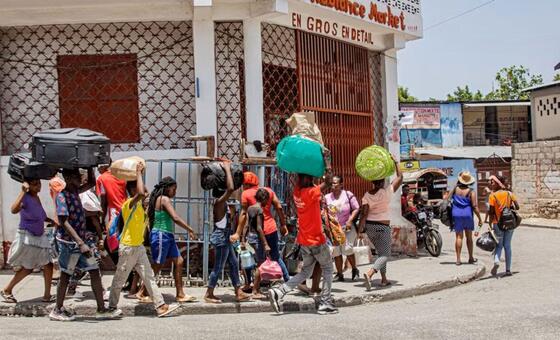
Haiti: Signs of Hope Amid Ongoing Crisis
Qinilo.com – Haiti – For millions of Haitians, survival has become a daily battle against violence, hunger, and the challenge of navigating their own neighborhoods. The grip of powerful armed groups over significant portions of Port-au-Prince, Haiti’s capital, persists, with their influence spreading into other regions. This has led to a surge in families abandoning their homes, the closure of schools and healthcare facilities, and a growing strain on aid organizations as resources dwindle.
Humanitarian Needs Outpace Available Support
The crisis deepens as violence, displacement, and economic hardship intertwine. Over 6.4 million individuals require urgent assistance, with 3.3 million considered the highest priority. Approximately 1.47 million people have been displaced, primarily due to gang-related attacks. This year, an estimated 5.8 million are expected to face food insecurity.
Violence continues to disrupt essential services, from healthcare to education, while aid groups work tirelessly to maintain hospitals, nutrition programs, and emergency shelters. However, the 2026 humanitarian appeal remains critically underfunded, with just 25% of the $880 million target secured by mid-June, hampering life-saving efforts.
In one major outbreak of violence around the Cité Soleil neighborhood of Port-au-Prince, earlier this year, at least 542 people were killed and 355 injured.
Sexual violence escalates under gang control, with reports of at least 176 women and girls being raped during these clashes. Children are increasingly affected, either forced to flee or recruited into the conflict. Despite these challenges, Haitian security forces have begun documenting small but meaningful victories, such as reclaiming key roads and allowing government institutions to resume operations in city centers.
Democratic Restoration as a Priority
Restoring a democratic government remains a monumental task, hindered by persistent insecurity. Since the assassination of President Jovenel Moïse in July 2021, Haiti has lacked an elected leader, with political instability compounding the crisis. Credible elections require a significant improvement in security, as gangs control vast areas and impede voter registration and public safety.
Recent months have seen accelerated preparations, supported by a $120 million election budget. This progress has raised hopes for the first round of voting to occur before the end of 2026, potentially enabling an elected president to assume office in February 2027.
International Efforts and Persistent Threats
A new initiative, the Gang Suppression Force—a UN-backed international security operation—has started patrolling Port-au-Prince in June. In one operation, officers arrested 14 suspects and seized hundreds of Molotov cocktails. Meanwhile, two judicial units have begun investigating mass crimes, sexual violence, and financial misconduct.
Despite these steps, gangs remain a formidable threat, capable of launching deadly attacks, extorting communities, and disrupting daily life. They are responsible for killings, kidnappings, and the forced displacement of entire neighborhoods. Vigilante groups have also targeted suspected collaborators, resulting in at least 87 deaths, some beaten to death before being set ablaze.