
Childhood vaccination rate increases slightly, but millions remain unprotected
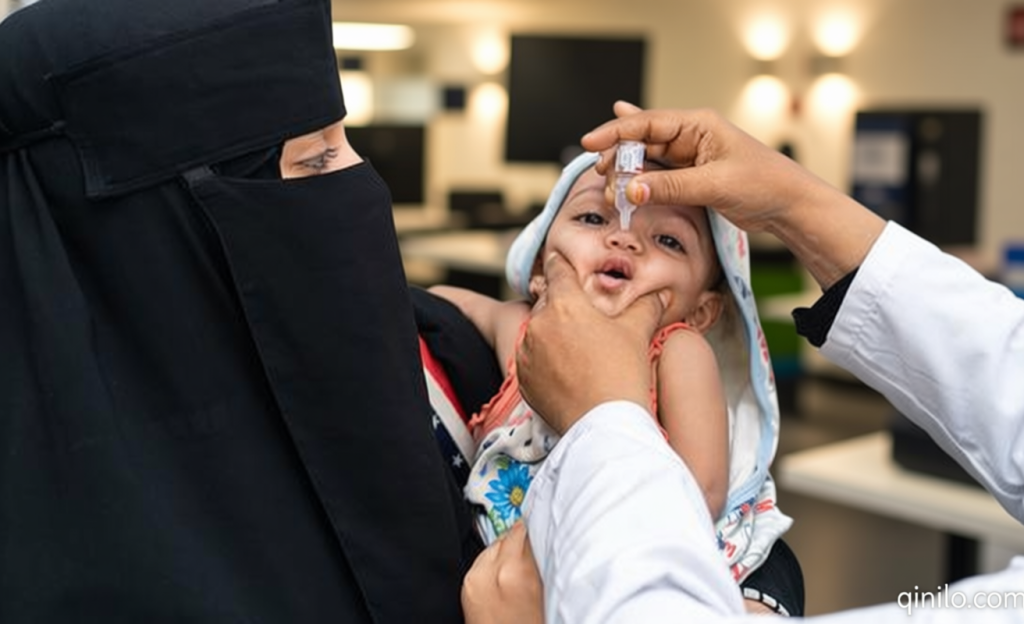
Childhood vaccination rate increases slightly, but millions remain unprotected
Qinilo.com – In 2025, global childhood immunization initiatives showed signs of recovery, yet ongoing challenges such as conflict, poverty, and rising vaccine hesitancy continue to leave millions of children at risk for preventable diseases, as highlighted by recent UN data.
New WHO-UNICEF data from 2025 shows that 90% of infants worldwide received at least one DTP vaccine dose, with 85% completing the full three-dose regimen. Both metrics rose by one percentage point compared to the previous year, though global coverage remains below pre-pandemic levels.
An estimated 13.5 million children received no vaccines at all during their first year of life in 2025. While this represents a nearly 750,000 reduction in “zero-dose” children from the prior year, millions still lack access to essential immunization services.
Simultaneously, more children began vaccination schedules but failed to finish them, heightening the likelihood of disease outbreaks.
“Governments and health workers have helped global vaccination rates bounce back after dropping significantly during the COVID-19 pandemic,” said UNICEF Executive Director Catherine Russell. “But millions of vulnerable children are still being left unprotected due to conflict, displacement and poverty. We must reach every child, and we must rebuild trust where it is fraying.”
The report underscores growing concerns about measles, one of the world’s most contagious diseases. Globally, only 84% of children received their first measles dose in 2025, with 77% getting the second, falling short of the 95% threshold needed to avert outbreaks. Consequently, 57 countries reported major measles outbreaks last year.
Over half of all zero-dose children reside in fragile or conflict-affected nations, where immunization efforts are frequently hindered by instability, insecurity, and insufficient funding. Syria experienced a notable drop in vaccination rates during 2025, while Sudan recorded one of the largest improvements, illustrating that progress is achievable in conflict zones when health access improves.
WHO also pointed out that vaccination rates are declining in some middle- and high-income nations, despite vaccines being widely accessible, due to factors like vaccine hesitancy, weakened political support, and other systemic obstacles. WHO Director-General Tedros emphasized that vaccines are among the most effective and equitable public health interventions. “Every child, whether born into wealth or poverty, peace or conflict, deserves the life-giving protection that vaccines provide,” he stated.
The agencies further cautioned that recent reductions in international health funding could jeopardize future gains. Fewer national immunization surveys were conducted in 2025, limiting the capacity to identify under-vaccinated children and swiftly address emerging outbreaks. They urged governments and global partners to enhance vaccination programs in unstable regions, counter misinformation, boost funding, and establish robust disease monitoring systems to prevent further setbacks.