
Djibouti: Emergency alert spotlights sharp hunger spike
Djibouti: Crisis-Level Hunger Escalates Amid Worsening Food Insecurity
Qinilo.com – A recent report from a global food security monitoring initiative has highlighted a dramatic surge in hunger levels across Djibouti, with over 256,000 individuals—approximately 25% of the country’s population—now at risk of facing critical food shortages within the next few months.
Urgent Intervention Required to Stabilize Situation
“Immediate steps are essential to address consumption gaps and household vulnerability, while building resilience to avoid a further deterioration in food access,” emphasized the Integrated Food Security Phase Classification (IPC) analysis.
Compared to earlier assessments in the spring, the latest findings reveal a marked escalation in food insecurity, underscoring the urgency of the crisis.
Refugee Populations Bear Brunt of the Crisis
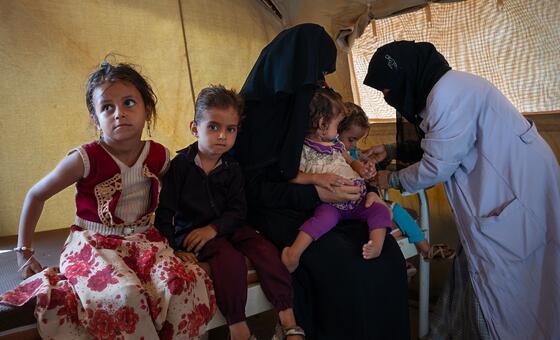
Refugees in Djibouti’s Ali Addeh and Holl-Holl camps are particularly affected, with nearly 70% of their population—over 21,000 people—classified as experiencing crisis-level or more severe hunger. These communities rely heavily on external food aid to meet their needs.
Key Drivers of the Hunger Surge
The report identifies three primary factors fueling the rise in hunger: climate-related disruptions, soaring food costs, and economic instability.
Climate challenges include the threat of El Niño, which is expected to cause erratic rainfall, elevated temperatures, and prolonged droughts. These conditions will deplete water sources and diminish pastures, severely impacting agricultural output and livestock herding.
Geopolitical tensions near the Bab-el-Mandeb Strait and disruptions in regional trade have raised import costs, tightening supply chains and reducing food availability in local markets. This has driven prices to unprecedented levels.
Simultaneously, inflation is eroding the limited purchasing power of rural and urban households, restricting their ability to buy essential food items. This economic strain is compounded by rising production expenses and a national slowdown in growth.
Current Aid Efforts Fall Short
Despite ongoing food assistance programs, the scale of aid remains inadequate to meet the growing demand. As a result, many recipients face severe consumption shortfalls and elevated rates of acute malnutrition.
The IPC, a collaborative network of humanitarian groups, was created in 2004 to address the famine in Somalia. It provides a standardized framework for assessing food security and nutrition risks worldwide, aiming to avert large-scale starvation through early warnings and targeted interventions.