
Five years after Taliban takeover, Afghan women ‘erased from public life’
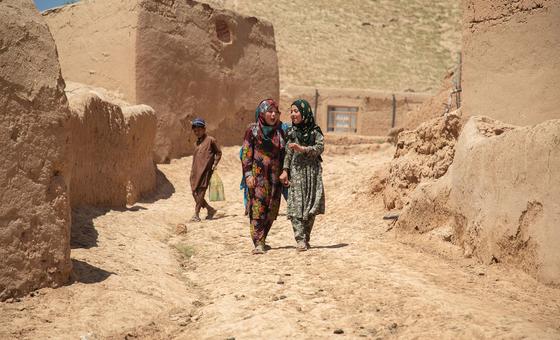
Afghan Women Face Systematic Erasure Five Years After Taliban Seizure of Power
Qinilo.com – UN agencies reported Wednesday that women and girls across Afghanistan have endured a systematic dismantling of their rights since the Taliban’s rise to power half a decade ago. The de facto government has promulgated over 100 decrees that restrict educational opportunities, professional employment, and personal mobility. These limitations are now being exacerbated by substantial reductions in humanitarian assistance reaching communities on the ground.
UN Women has characterized the situation as the most severe women’s rights crisis globally. In just twelve months, the exclusion of females from education, workplaces, public spaces, judicial processes, and medical services has deepened considerably.
“The results are devastating,” the agency stated, highlighting that diminished life expectancy, elevated maternal mortality rates, increased child marriages, and heightened gender-based violence have collectively sparked a mental health emergency.
Educational Exclusion and Movement Restrictions
According to fresh data from UN Women, restrictive policies over five years have institutionalized discrimination against women and girls, fundamentally altering their daily existence and community roles.
Survey findings reveal that fifty percent of Afghan women depart their homes merely one or two times each month due to stringent movement limitations and restricted access to communal areas. Additionally, more women are expressing concerns about personal safety when venturing outside without male accompaniment.
“This unparalleled crisis of women’s and girls’ rights is at risk of being forgotten by the world,” the agency cautioned.
By 2026, approximately 2.4 million girls continue to be barred from secondary schooling. These educational restrictions have effectively undone twenty years of advancement in expanding learning opportunities.
“Afghanistan is the only country in the world to formally prohibit access to education for girls and women beyond the primary level,” UNESCO declared in an official statement.
“The continued exclusion of girls and women from education constitutes a grave violation of their fundamental human right to learn and risks condemning Afghanistan to decades of lost potential, deepening poverty, and irreversible harm.”
Legal Barriers and Public Life Erasure
UNESCO noted that women face additional legal obstacles preventing adequate protection against various forms of violence. Being prohibited from attending secondary schools and universities, alongside exclusion from most paid employment, has fundamentally transformed women’s societal presence.
“Women have been erased from public life,” the UN agency observed. “As a new generation of girls grows without an education, their future becomes increasingly dark.”
UNESCO has advocated for complete restoration of educational rights for Afghan girls and women, aligning with appeals from numerous UN bodies and international leaders committed to safeguarding and advancing human rights.
Aid Cuts Compound the Crisis
UN agencies report that worldwide reductions in humanitarian funding are creating significant challenges within Afghanistan. UN Women indicated that almost seventy-five percent of women-led organizations surveyed experienced financial reductions during 2025.
Bruno Lemarquis, the UN Humanitarian Coordinator for Afghanistan, warned that insufficient funding could necessitate health center closures. Such closures would leave thousands of mothers and newborn infants susceptible to preventable complications and fatalities.
Meanwhile, the UN World Food Programme cautioned last week that severe funding reductions would disrupt food distributions to the most vulnerable populations. A hunger emergency currently impacts 14 million Afghans.
UN Agency Response Efforts
Various UN organizations are implementing targeted interventions to address these challenges:
UN Women: Initiatives focus on strengthening livelihood opportunities, protecting access to essential services, and assisting nearly 200 women-led civil society organizations.
UNESCO: Activities encompass enhancing educational quality and delivering community-based livelihood and vocational skills training programs.
UNFPA (UN sexual and reproductive health agency): Support includes mid-wife training initiatives and Family Health Houses that preserve lives in remote regions.
UNICEF: Efforts range from administering lifesaving vaccinations and constructing educational facilities to providing emergency assistance for recent catastrophic flash floods.
Related Reading
Frequently Asked Questions
What is Five years after Taliban takeover Afghan?
Five years after Taliban takeover Afghan is the main topic of this guide. The article explains the context, practical details, and next steps readers should understand.
Why does Five years after Taliban takeover Afghan matter?
Five years after Taliban takeover Afghan matters because readers are looking for a useful answer, not just a short summary. Good content should match search intent and help them decide what to do next.