
Security Council LIVE: ‘Urgent de-escalation’ needed now in Ukraine amid spike in civilian deaths
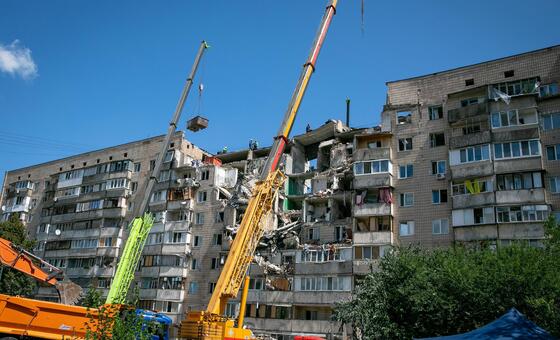
Security Council LIVE: Ukraine Needs Urgent De-Escalation Amid Civilian Death Spike
Qinilo.com – On July 15, 2026, the United Nations Security Council convened for an emergency session to address the escalating violence in Ukraine, where recent attacks have led to a sharp rise in civilian casualties. Rosemary DiCarlo, the head of UN political and peacebuilding affairs, stressed the importance of the Security Council’s role in achieving rapid de-escalation, emphasizing that the current situation demands immediate and coordinated international action. The meeting, held under the spotlight of live coverage, highlighted the urgency of the crisis as the conflict continues to claim lives across the country, particularly in urban areas.
Escalating Attacks and Humanitarian Impact
The Security Council meeting came amid a surge in Russian strikes targeting Ukrainian civilians, with reports indicating a 40% increase in casualties compared to the previous month. DiCarlo underscored that these attacks are not only intensifying but also becoming more sophisticated, with the use of drones and guided missiles causing widespread destruction. “The civilian death toll has reached alarming levels, and without urgent intervention, the humanitarian crisis will worsen,” she warned. The Council members expressed concern over the escalating violence, with several nations calling for stronger sanctions and increased support for Ukraine’s defense capabilities.
“De-escalation efforts must intensify as tensions rise with intensified Russian strikes using drones and missiles,” DiCarlo stated. “The situation is critical, and civilian deaths have surged, demanding urgent intervention.”
Security Council’s Role in Peace Initiatives
As the Security Council deliberated, the focus remained on leveraging all available diplomatic and political tools to stabilize the conflict. DiCarlo reiterated that the Council must act swiftly to pass resolutions that enforce ceasefire agreements, protect civilian infrastructure, and ensure the safe passage of humanitarian aid. The meeting also discussed the need for greater transparency in the conflict, with a particular emphasis on verifying reports of civilian casualties and holding accountable those responsible for attacks on non-combatants. Several members urged the Council to adopt a unified stance, citing the importance of international unity in addressing the crisis.
The debate reflected the broader geopolitical tensions shaping the conflict, as Russia and its allies argued for a negotiated settlement, while Western nations pushed for continued military support to Ukraine. DiCarlo noted that the Security Council’s ability to mediate and enforce decisions will be crucial in preventing further escalation. She called for the immediate deployment of UN peacekeeping forces to monitor the situation and assist in conflict resolution efforts. The meeting concluded with a commitment to intensify diplomatic outreach, though the path to de-escalation remains uncertain in the face of ongoing hostilities.
Global Response and Next Steps
In the wake of the meeting, global leaders and diplomats have pledged to intensify efforts toward de-escalation. The United States and European Union have announced plans to expand military aid to Ukraine, while Russia has reiterated its demand for a negotiated end to the war. DiCarlo emphasized that the Security Council’s actions will set the tone for international response, urging members to prioritize the protection of civilians over political interests. “The world cannot afford to delay action,” she said. “Every day of continued conflict deepens the suffering of innocent people and undermines global stability.”
As the Security Council continues its work, the situation on the ground remains volatile, with reports of intensified shelling in key cities and a growing number of displaced individuals. The urgency of the moment has prompted calls for a temporary ceasefire, although consensus has yet to be reached. DiCarlo highlighted the need for a multi-pronged approach, combining diplomatic negotiations, military support, and humanitarian aid to address the crisis comprehensively. The Security Council’s next steps will likely determine the trajectory of the conflict in the coming weeks, with the potential to either escalate tensions or pave the way for a sustainable resolution.