
HIV, hepatitis, STI gains at risk as funding falls, WHO warns
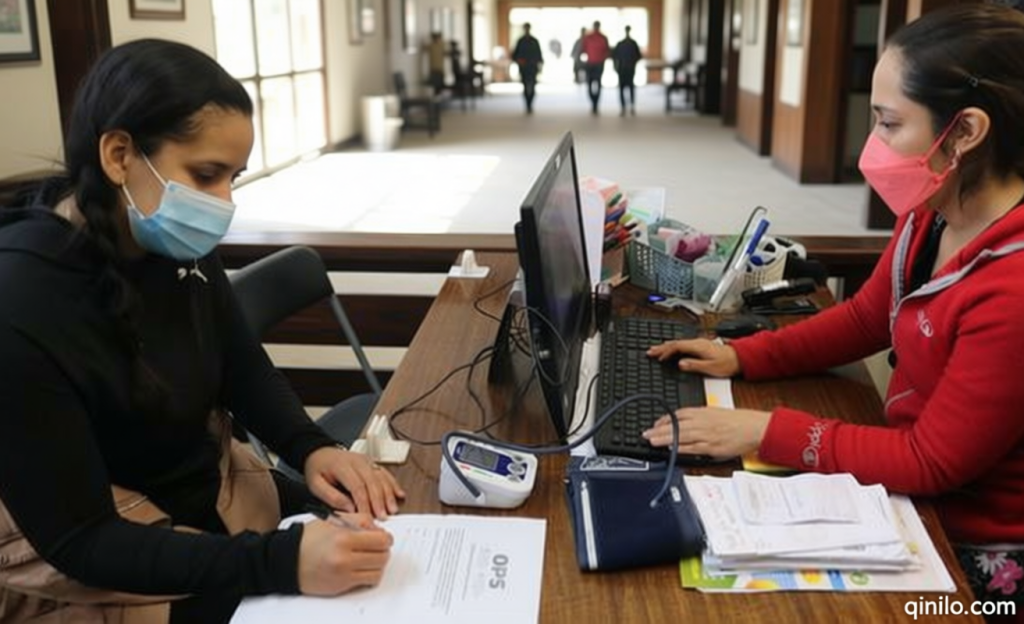
WHO Warns HIV Hepatitis STI Gains at Risk as Global Funding Declines
Qinilo.com – The World Health Organization has issued a critical warning that HIV hepatitis STI gains at risk due to shrinking financial support worldwide. Decades of progress in preventing and treating these infectious diseases face potential reversal without immediate action from governments and international donors.
A comprehensive new assessment highlights how financial shortfalls, combined with humanitarian crises and ongoing inequalities, are creating treatment gaps for vulnerable communities across multiple regions. The organization emphasizes that millions of people could lose access to essential prevention tools, diagnostic capabilities, and life-saving therapies if funding trends continue downward.
Progress Under Threat
WHO Director-General Tedros Adhanom Ghebreyesus described the situation as presenting contrasting narratives about global health achievement:
“This report tells two stories. It demonstrates what is possible when countries invest in health, communities and science. But it also shows how quickly progress can be undone with funding disruptions, humanitarian emergencies and persistent inequalities.”
By the end of 2025, approximately 32 million people worldwide were receiving HIV treatment. When compared to 2010 figures, new infections had fallen by 42 percent while AIDS-related deaths decreased by 57 percent. These achievements represent significant milestones in the global fight against these diseases.
Despite this progress, roughly nine million individuals still lack access to necessary HIV medications. Infection rates are rising in several areas, particularly among marginalized groups including sex workers, people who inject drugs, transgender individuals, and incarcerated populations.
Hepatitis and STI Challenges Mount
Annual hepatitis B cases have declined by nearly one-third since 2015, and hepatitis C mortality has decreased. However, viral hepatitis remains among the deadliest infectious diseases globally, causing an estimated 1.3 million deaths in 2024 alone.
Advancement against sexually transmitted infections has slowed considerably. While increased syphilis screening among pregnant women and modest improvements in HPV vaccination rates provide encouragement, infection levels continue climbing in many nations. Antibiotic resistance affecting gonorrhoea treatment adds another layer of complexity to prevention efforts.
The WHO noted that reductions in international donor contributions disrupted HIV prevention programs across multiple countries throughout 2025. These cuts directly impacted the availability of pre-exposure prophylaxis, commonly known as PrEP, a medication that significantly reduces HIV acquisition risk.
While some governments have stepped in to maintain services, preliminary data suggests PrEP utilization has already declined in various nations and communities.
Emerging Solutions and Future Directions
The agency highlighted ongoing challenges in hepatitis B diagnosis and treatment despite the existence of highly effective medications capable of preventing millions of deaths worldwide.
According to WHO, integrating HIV, hepatitis and STI services within primary healthcare represents one of the most efficient approaches to expanding access while strengthening health infrastructure systems.
The publication also identifies emerging solutions including extended-duration HIV prevention medications, improved diagnostic tools, and more robust digital health platforms as vital opportunities to accelerate progress.
Particularly noteworthy is lenacapavir, a WHO-recommended injectable administered twice yearly. This medication is currently being deployed across ten nations with expansion scheduled for fourteen additional countries in the coming months.
Mandeep Dhaliwal, Director of the Prosperity and Well-being Hub at the UN Development Programme, characterized the medication as potentially transformative when speaking with UN News recently.
“Lenacapavir is a highly effective HIV prevention tool. Administered as an injection just twice a year, it has the potential to transform the HIV response by preventing new infections, particularly among populations at greatest risk.”
The WHO additionally underscored the necessity of reinforcing community leadership, ensuring that individuals most impacted by these conditions participate in designing health initiatives and evaluating whether services reach those requiring them most.
“Over the next five years, we must build integrated, resilient health systems that reach those furthest behind,” Tedros concluded.
Tuesday marks World Hepatitis Day, commemorating the birthday of the Nobel-prize winning scientist who discovered the hepatitis B virus.
Frequently Asked Questions
What is causing HIV hepatitis STI gains at risk according to WHO?
The World Health Organization identifies declining international donor funding, humanitarian emergencies, and persistent inequalities as primary factors threatening progress against HIV, hepatitis, and sexually transmitted infections.
How many people currently lack access to HIV medication?
Roughly nine million individuals worldwide remain without access to essential HIV medications despite significant treatment expansion over the past decade.
What is lenacapavir and why is it important?
Lenacapavir is a WHO-recommended injectable HIV prevention medication administered twice yearly. It is currently being deployed across ten nations with plans to expand to fourteen additional countries.
When is World Hepatitis Day?
World Hepatitis Day is celebrated on Tuesday, commemorating the birthday of the Nobel-prize winning scientist who discovered the hepatitis B virus.