
‘Hunted’ by drones: UN reports worst month for Ukraine’s civilians since 2022
‘Hunted’ by drones: UN reports worst month for Ukraine’s civilians since 2022
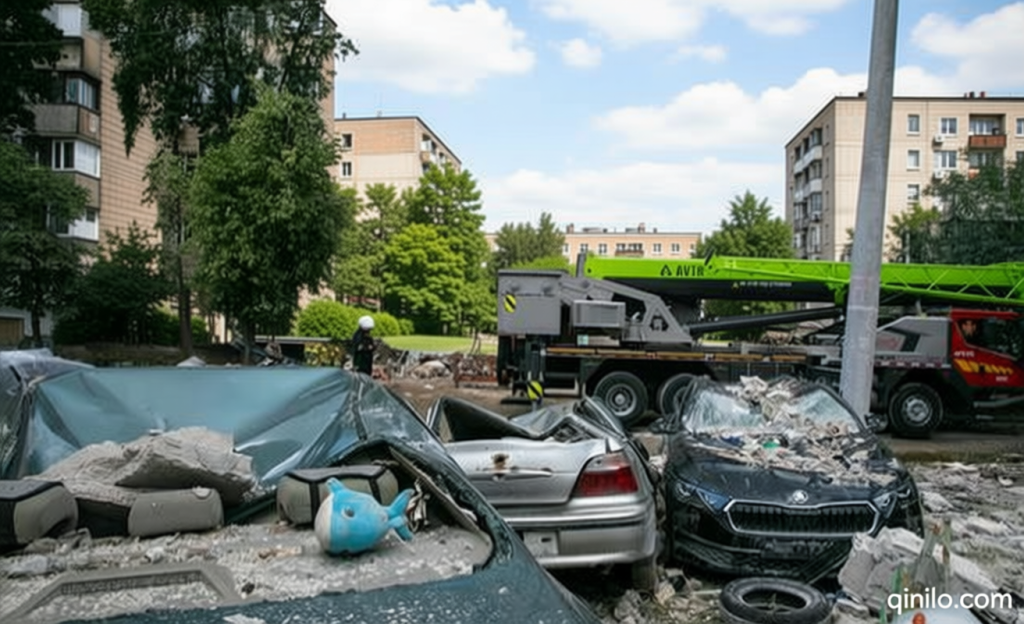
Qinilo.com – In June 2026, the United Nations human rights monitoring mission in Ukraine, HRMMU, documented the highest civilian casualties in over four years, with at least 293 people killed and 1,990 injured. This alarming surge marks the worst month for non-combatants since April 2022, as Russia’s reliance on drone technology has intensified, creating a relentless and pervasive threat. The trend is not only a reflection of escalating warfare but also a stark reminder of how ‘hunted by drones’ has become a grim reality for Ukrainian civilians, particularly in urban areas where the attacks are most frequent and devastating.
Escalating Drone Threats and Civilian Casualties
According to HRMMU’s latest update, the number of civilian casualties in June surpassed even the previously recorded peak in May, which had already set a four-year high. The mission attributed this spike to the strategic use of both long-range and short-range drones, which have been deployed with increasing precision to target infrastructure and residential areas. Danielle Bell, HRMMU’s head, highlighted the severity of the situation, stating,
“The figures show an alarming escalatory trend with mounting civilian toll, driven by the intensifying use of powerful weapons that are particularly deadly when used in densely populated urban areas.”
This escalation underscores the dual threat posed by drone attacks, both as a physical danger and as a psychological weapon.
Weaponized Drones and Urban Targets
The data reveals a stark divide in the impact of drone strikes. While long-range missiles and drones have targeted Kyiv and Dnipro, areas far from the frontline, short-range drones have inflicted the majority of injuries and fatalities in regions near the conflict zone. These smaller, agile drones have become a staple of modern warfare, capable of striking without warning and with little regard for civilian life. The monthly toll of 89 deaths and 588 injuries in June reflects a pattern of attacks that have left entire communities in a state of perpetual fear, as residents report being ‘hunted by drones’ simply for going about their daily routines.
Impact on Daily Life in Conflict Zones
Residents in frontline areas, such as the Zaporizhzhia region village of Preobrazhenka, describe a terrifying new normal. “There were drones everywhere. Everything was flying overhead. I did not know where to hide,” recounted a displaced woman. Her words capture the essence of life under constant aerial bombardment, where even mundane activities like shopping, walking dogs, or working in the yard are fraught with danger. The psychological toll of these attacks is as severe as their physical consequences, with many civilians reporting sleepless nights and an unending sense of vulnerability.
From January to June 2026, the HRMMU mission recorded 1,396 deaths and 7,978 injuries, a 37% increase compared to the same period in 2025 and a 114% surge since 2024. This trend is driven by the increased frequency and lethality of drone attacks, which have become a preferred tool for both Russian and Ukrainian forces. The statistics paint a grim picture of the war’s evolving nature, where technology has enabled more targeted and destructive strikes, disproportionately affecting civilians. In occupied territories, while the number of casualties remains lower than in government-controlled regions, the threat is still present, with attacks on infrastructure and supply lines further complicating humanitarian efforts.
International Response and the Humanitarian Crisis
The UN’s findings have drawn renewed attention to the humanitarian crisis in Ukraine, with many calling for stricter measures to protect civilians from drone strikes. The mission’s data also highlights the growing strain on Ukraine’s healthcare and emergency services, which are struggling to cope with the influx of injured individuals. Since Russia’s full-scale invasion began on 24 February 2022, the UN has confirmed at least 16,431 civilian deaths and 48,613 injuries, with over 3,700 children among the victims. The true scale of the crisis, however, is likely even greater due to restricted access to affected zones and the challenges of documenting every incident.
Additionally, the HRMMU report noted a surge in attacks on Ukraine’s energy infrastructure in June. Russian forces targeted power generation and distribution facilities, while Ukrainian forces struck occupied Crimea, resulting in at least 12 incidents that caused widespread power outages. These attacks not only disrupt daily life but also heighten the risk of civilian casualties by forcing people to rely on makeshift shelters and reducing access to essential services. The strategic use of drones to cripple Ukraine’s energy grid underscores their role as a weapon of both destruction and psychological warfare, exacerbating the challenges faced by the population.