
Lebanon: Israeli strikes ‘could amount to international crimes,’ warns Türk
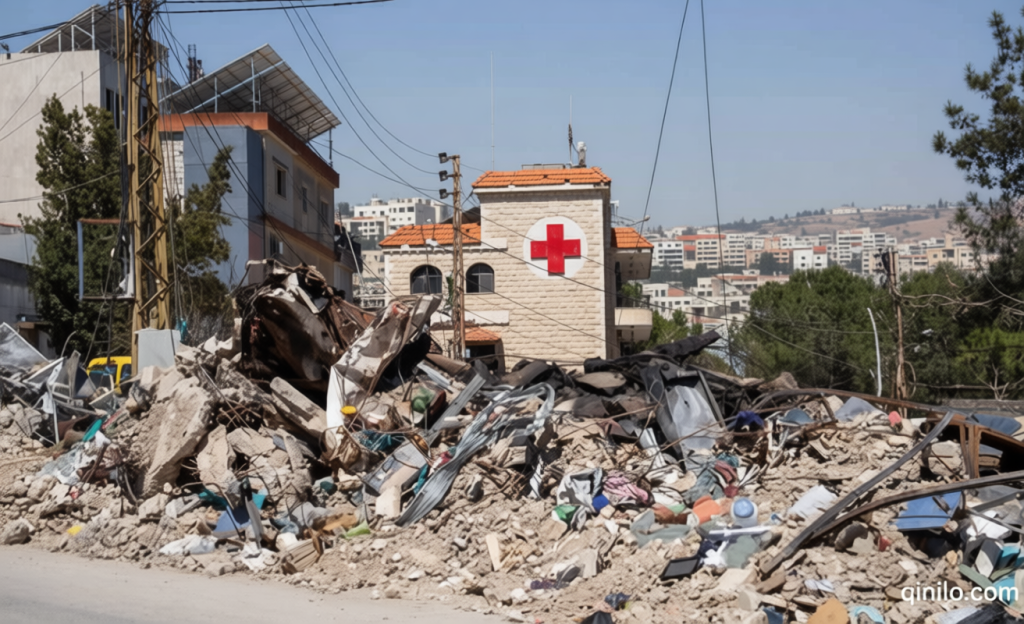
Türk Warns Israeli Actions May Constitute International Crimes in Lebanon
Concerns Over Displacement and Destruction
Qinilo.com – Volker Türk, the United Nations’ top human rights official, wrapped up his two-day mission to Lebanon on Monday with growing alarm over the devastation and forced migration stemming from Israeli military operations. The humanitarian chief highlighted multiple overlapping emergencies facing the nation, ranging from postponed electoral processes to severe economic deterioration alongside active hostilities.
National officials report that since Hezbollah fighters—backed by Iran—entered the regional conflict following American and Israeli strikes on March 2, casualties have reached more than 4,300 fatalities with an additional 12,200 wounded.
“I am concerned that the overall conduct resulting in large scale displacement and denial of returns could amount to international crimes,” Türk stated during a Monday press briefing in Beirut.
Continued Violence Despite Ceasefire Agreement
Although Israel and Lebanon’s government established a conditional truce on April 17 through American-mediated negotiations, military operations persist. According to the UN Human Rights Office (OHCHR), Israeli forces maintain airstrikes and deploy explosive ordnance in crowded neighborhoods, while Hezbollah continues combat activities, driving widespread population movement.
During his visit, Türk engaged with Lebanese government officials, civil society organizations, national human rights bodies, and displaced residents. At one educational facility converted into housing for approximately 1,000 individuals escaping violence, civilians described extensive damage to their residences, schools, medical centers, water systems, power grids, religious sites, and farmland caused by Israeli bombardments.
“I am struck by the widespread damage and compounded suffering that I have seen,” Türk remarked. “The trauma, frustration and despair are palpable – but so too is the demand for justice which I heard resoundingly.”
Protection for Vulnerable Populations
Discussions with local civil society groups revealed urgent calls for enhanced safeguards for underrepresented communities, encompassing refugees, migrants, LGBTQ+ individuals, and persons with disabilities. Türk shared “heartbreaking” accounts from these leaders regarding disabled residents who faced difficulties reaching safety or accessing emergency accommodations.
Nevertheless, Türk acknowledged Lebanon’s advancements on multiple fronts, such as ratifying the Convention on the Rights of Persons with Disabilities and introducing initiatives to eliminate capital punishment while reinforcing judicial autonomy and legal frameworks. He additionally advocated for prison condition improvements and removing criminal penalties for same-sex relationships.
Looking Ahead: UNIFIL and Accountability
With Lebanese government approval, OHCHR recently sent a mission to Lebanon to gather information and evidence concerning alleged human rights and humanitarian breaches by all conflict participants. A man who lost his mother and brother when Israeli attacks obliterated their Beirut residence told Türk he is documenting rights violations and pursuing accountability.
Türk cautioned that the UN Interim Force in Lebanon (UNIFIL) mandate concludes this year, and peacekeepers’ departure might create fresh dangers for civilians residing in southern Lebanon. Recovery from present hostilities will prove intricate, he explained, as communities require time to develop confidence that the government will safeguard their rights and deliver necessary services, safety, and security.
“My office and my colleagues here on the ground remain ready to support Lebanon in the promotion and protection of human rights for all,” Türk concluded.