
Stranded seafarers remain trapped as Hormuz shipping stalls
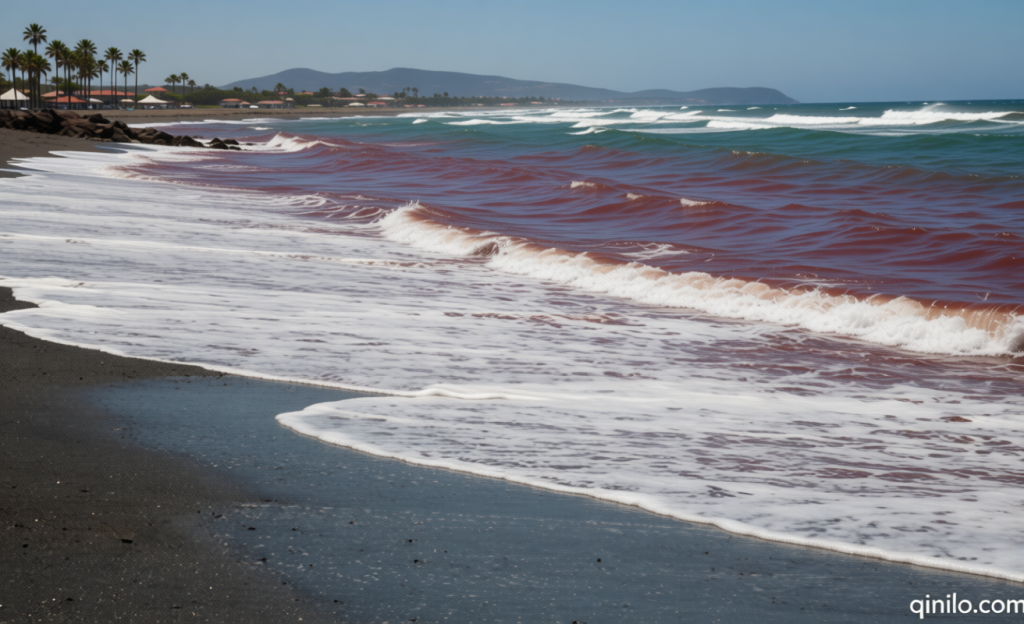
Maritime Crisis Deepens as Hormuz Passage Remains Blocked
Seafarers Face Uncertain Future Amid Ongoing Conflict
Qinilo.com – The International Maritime Organization has reported that nearly all commercial vessels have halted their journey through the Strait of Hormuz following fresh attacks on ships since fighting restarted on July 12-13. According to IMO Secretary-General Arsenio Dominguez, only a handful of vessels—if any—are currently navigating the narrow waterway.
Dominguez highlighted the plight of approximately 6,000 sailors aboard roughly 500 ships anchored in the Persian Gulf, positioned behind the strait. He emphasized that these maritime workers are professionals trained for navigation and cargo operations, not for warfare. The vessels themselves lack the capability to withstand missile strikes or drone attacks.
“We need to remember that these are innocent people who are trained to do the work, that they are not trained for combat, and the vessels are not prepared to defend themselves against missiles and drones.”
Global Trade at Risk
The IMO chief warned that the maritime sector is operating at maximum capacity. Recent years have seen multiple disruptions, including the Black Sea crisis stemming from Russia’s invasion of Ukraine and the Red Sea situation where Yemeni Houthi forces claimed responsibility for attacking two Saudi oil tankers and closing the Bab al-Mandab Strait, effectively blocking access to the Suez Canal.
“We’ve been taken to the limit. Because one thing that we cannot replace is those essential cargoes and essential goods that either come from the regions where the conflicts are taking place or that are required for the communities in the countries that are at war.”
Dominguez stressed that without seafarers, global shipping would cease to function. He noted that 90 percent of goods moved by sea would fail to reach their intended destinations, affecting consumers worldwide.
Security Council Concerns
UN Secretary-General António Guterres addressed the Security Council on Thursday, expressing alarm over the escalating pattern of strikes and counterstrikes between the United States and Iran. He cautioned that without a de-escalation, the region and the world could face “devastating consequences.”
“The situation is getting out of control. It is teetering on the edge of [the] unimaginable,” he told a meeting on dispute resolution.
“One crisis feeds another. One escalation triggers the next. As this dynamic spreads, the political objectives are becoming increasingly obscured by the confrontation itself. It is time to step back.”
Looking Toward Resolution
In normal conditions, the Strait of Hormuz carries an estimated 20 percent of global oil and gas supplies from the Gulf region. Dominguez urged that commercial shipping should not resume crossing the waterway until the conflict concludes and safety guarantees are established.
The UN agency’s immediate objective is evacuating all seafarers trapped since the war began on February 28, when Israel and the United States initiated bombing campaigns against Iran. Once mariners are secure, the focus will shift to ensuring the region is cleared of mines and the strait becomes safe for transit.
“Once all mariners are safe, we need to start getting the guarantees that the region is de-mined, that the strait is safe for ships to transit, and then step by step, start resuming the operations and make sure that we go back to the levels of around 135 vessels in transit per day. That’s how the Strait was operating.”
Dominguez noted that progress on future strait management has been limited because de-escalation is necessary before negotiations can advance. He pointed to positive developments, including renewed dialogue between the United States and Iran after years of minimal engagement.
The Memorandum of Understanding signed last month by both nations to end hostilities remains active and provides a foundation for discussions on the 14-point plan. Additionally, numerous countries are conducting bilateral talks alongside broader UN mediation efforts.
“Hopefully that would allow us to bring the situation back to where it was a couple of weeks ago and continue to make progress.”
The UN has consistently maintained that imposing tolls for safe passage through the strait conflicts with international law. Dominguez confirmed that no existing legal framework permits nations to charge merchant vessels for transit rights.
“Once we have those guarantees, we of course then will continue that engagement in looking into what will be the future management of the Strait of Hormuz, all in accordance with international law.”