
Strengthening El Niño to push 49 million more people into acute hunger
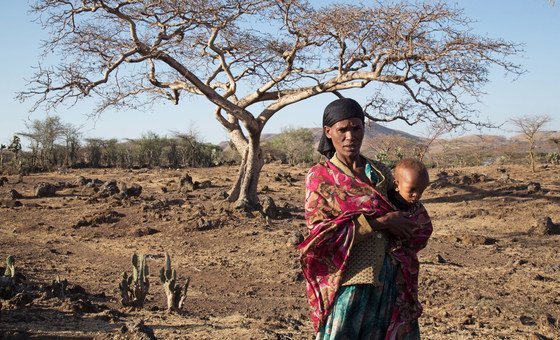
El Niño On Track to Add 49 Million to Acute Hunger Crisis
Qinilo.com – The United Nations World Food Programme announced Wednesday that intensifying El Niño conditions will drive nearly 50 million additional individuals in vulnerable regions worldwide into severe food shortages. The agency highlighted that coordinated interventions across eight nations aim to shield populations already grappling with economic hardship, armed conflicts, unemployment, and recurring climate disasters.
Preparatory measures focus on anticipating floods, droughts, and severe storms before they materialize. Carl Skau, serving as WFP’s Acting Executive Director, emphasized the urgency:
“El Niño is a massive threat to the food security of millions who are already vulnerable. The sooner we help families to prepare for these climate shocks, the greater our ability to save lives and protect livelihoods.”
Acute hunger describes situations where individuals cannot satisfy their everyday nutritional requirements. According to preliminary assessments, the weather pattern beginning in September could elevate the global count of acutely food-insecure people from 225 million to 274 million—a jump of roughly 22 percent.
Regional Vulnerabilities and Projections
Central America and southern Africa are anticipated to experience the most severe consequences, though eastern Africa and South and Southeast Asia will also face considerable challenges. The agency examined 45 nations already classified as food insecure, where El Niño will substantially alter precipitation levels, temperature ranges, and flood-drought cycles.
Latin America and the Caribbean region may witness one of the steepest escalations in food insecurity, impacting over 16 million residents. Central America stands out with the highest proportional surge at 83.1 percent among all surveyed territories.
East and Southern Africa confront considerable dangers, especially where forthcoming rainy periods prove essential for agricultural output. More than 18 million individuals there could experience worsening food security, marking a 26 percent escalation. Southern African nations remain particularly susceptible since numerous households rely on rainfall-dependent subsistence farming.
Asia and the Pacific region may see approximately 8.2 million additional people confront acute hunger across several already fragile countries. Meanwhile, West and Central Africa face projected food insecurity growth of 12 percent, touching nearly six million extra individuals.
Historical Context and Economic Benefits
The 2015-2016 El Niño episode affected between 60 and 100 million people’s food security. Early estimates suggest the current 2026-2027 phenomenon could push at least 49 million more into acute food insecurity by year’s end.
WFP underscored the diverse nature of El Niño’s effects:
“Some countries are already experiencing below-average rainfall, flooding and unusually hot temperatures, while others are expected to face deteriorating conditions during upcoming planting seasons and harvests.”
The weather phenomenon is projected to reach its peak between September and December 2026, with consequences extending through 2027 in numerous nations due to harvest disruptions. Drought, flooding, and extreme temperatures are already endangering communities, according to WFP warnings.
Collaborating with FAO, OCHA, and other partners, WFP maintains prevention strategies in over 50 countries while assisting governments and local populations in risk reduction. Since May, anticipatory action plans have activated in South Sudan, Chad, Mauritania, Uganda, Guatemala, and El Salvador, delivering more than $14 million in emergency responses benefiting half a million people.
These initiatives expand pre-arranged financing tools including disaster risk insurance, credit facilities, and digital payment systems to increase available funds at reduced costs. Such measures enable communities and authorities to endure sudden disruptions while minimizing future humanitarian requirements. Historical evidence from previous El Niño episodes demonstrates that every dollar channeled into preventive programs yields between three and seven dollars in avoided losses and response expenses.
Related Reading
Frequently Asked Questions
What is Strengthening El Niño to push 49 million?
Strengthening El Niño to push 49 million is the main topic of this guide. The article explains the context, practical details, and next steps readers should understand.
Why does Strengthening El Niño to push 49 million matter?
Strengthening El Niño to push 49 million matters because readers are looking for a useful answer, not just a short summary. Good content should match search intent and help them decide what to do next.