
The climate pattern putting millions at risk: El Niño explained
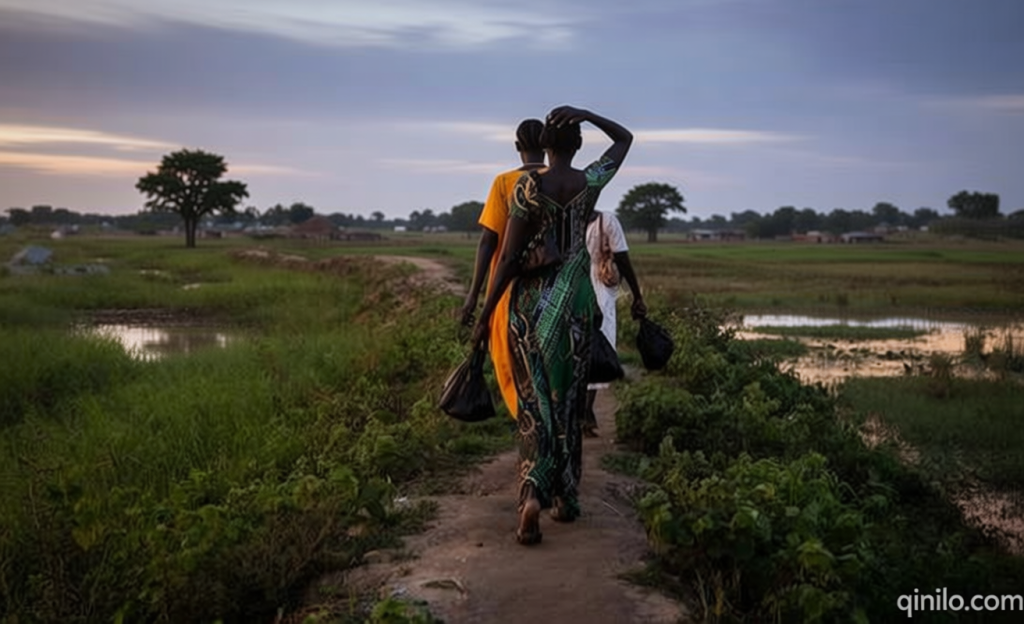
Preparing Communities for El Niño’s Global Reach
Qinilo.com – Across eastern and southern Africa, millions face mounting threats as El Niño strengthens. The United Nations is working to ensure vulnerable populations receive timely support before conditions deteriorate further.
These situations represent more than occasional weather events. They signal what occurs when this powerful climate phenomenon takes hold.
Understanding the Phenomenon
El Niño represents a recurring natural cycle characterized by warming waters in the Pacific Ocean. This temperature shift influences atmospheric patterns worldwide, altering precipitation and temperature distributions across continents.
While this pattern has existed for centuries independent of human activity, scientists note that ongoing climate change may amplify its effects on communities already struggling with environmental stress.
Weather experts project that El Niño will strengthen over the coming months and potentially continue through the beginning of 2027.
Regional Impacts Diverge
Communities across southern and eastern Africa receive this projection not as mere meteorological data, but as an urgent alert requiring immediate preparation.
Eastern African nations spanning from Somalia to Tanzania typically experience excessive rainfall during El Niño periods. Rivers overflow their boundaries, triggering flash floods and landslides that submerge dwellings and destroy transportation routes. Medical facilities and educational institutions often become inaccessible during these events.
Conversely, southern African regions extending from Zambia through South Africa and from Namibia to Mozambique generally encounter insufficient precipitation. Agricultural yields decline, water reservoirs diminish, and grazing lands deteriorate under prolonged dry conditions.
Despite contrasting weather patterns, both scenarios produce similar consequences for populations lacking adequate resources and infrastructure.
Human Stories of Resilience
Esnart Chongani cultivates land in Zambia and witnessed devastating results during the 2024 drought. Her family produced no maize whatsoever that season.
“I cannot remember anything like this,” she said. “People are so hungry. The generosity of our community has disappeared because everyone is struggling.”
Martha Kalumbi from Malawi experienced equally harrowing circumstances when her infant required hospitalization due to severe malnutrition following a poor harvest.
“My child was always crying. Doctors told me she was starving and getting malnourished,” she said. “I was afraid that my baby might die. The situation was painful.”
Beyond food insecurity, contaminated water sources create additional health emergencies. Cholera and other waterborne illnesses spread rapidly when floods compromise drinking supplies.
Asha Mohamed, a Somali mother raising nine children, lost her home to flooding in 2023. The disaster created cascading challenges for her family.
“Life became challenging after the floods,” she said. “My children fell sick, and I had no money to buy medicine or take them to a proper health facility.”
Proactive Solutions in Action
One significant advantage of El Niño is its predictability. Meteorologists can identify developing patterns months ahead of peak conditions, providing humanitarian organizations valuable preparation time.
Financial resources are being deployed strategically rather than reactively. Between 2023 and 2025, anticipatory action programs delivered cash assistance and essential support to more than three million individuals in southern Africa and 5.5 million across eastern regions before disasters materialized.
Agricultural communities benefit from advance interventions as well. In Madagascar, households receiving pre-season cash transfers alongside drought-tolerant seed varieties demonstrated improved nutrition compared to those without such support.
Infrastructure development strengthens monitoring capabilities. Zambia’s government, collaborating with international partners, is expanding weather-tracking systems to identify emerging threats earlier.
A coordinated appeal targets the most exposed populations. The Food and Agriculture Organization alongside the World Food Programme plans to assist 8.8 million people across 22 nations through combined efforts including financial aid, climate-resilient farming assistance, and livestock safeguards.
Tom Fletcher, serving as UN Emergency Relief Coordinator, emphasized the strategic imperative: “The choice is clear: we can wait for disaster, or we can invest in resilience.”
For populations experiencing El Niño’s effects for the first time, this proactive approach may prove transformative in preventing widespread suffering.