
‘Women do not stop giving birth in an emergency’ – one month after Venezuela quakes
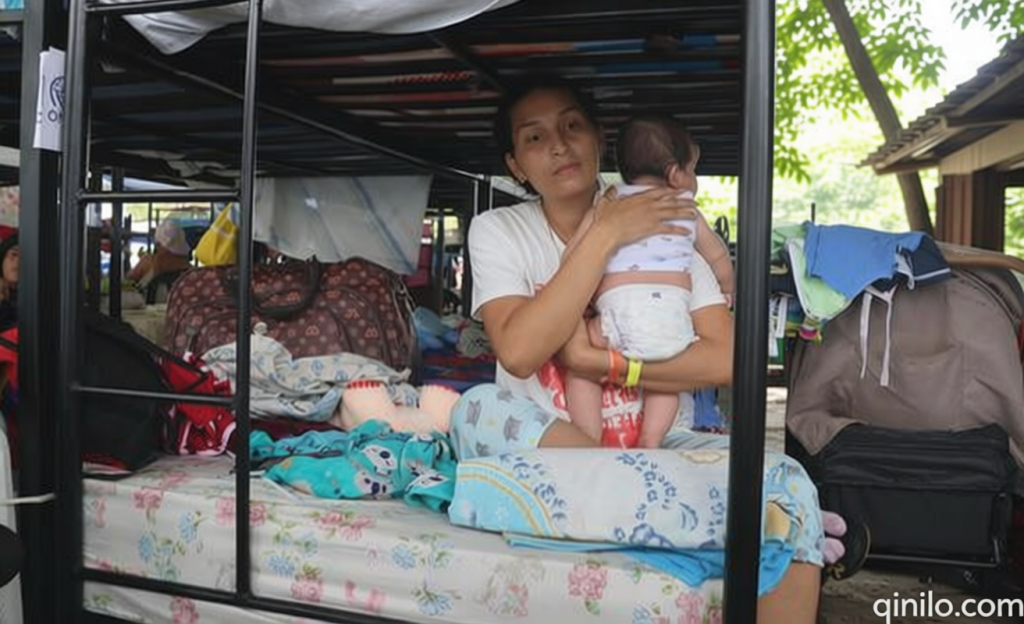
Women Do Not Stop Giving: Venezuela’s One-Month Quake Recovery
Qinilo.com – this powerful truth resonates deeply one month after the devastating twin earthquakes that struck Venezuela. Thousands of women and girls across the nation continue to face significant challenges accessing vital healthcare and protection services, according to Paula Narvaez, the United Nations Population Fund’s Regional Director for Latin America and the Caribbean.
A Tragedy’s Human Toll
Narvaez shared her observations during a press briefing in New York, speaking from Chile about her recent visit to the earthquake-affected regions. The seismic events claimed more than 5,000 lives and displaced over 23,000 people from their homes. Her assessment reveals that statistics alone cannot capture the full human impact of this catastrophe.
Statistics alone cannot capture the human toll and true scale of this tragedy.
During her field visit, Narvaez traveled to several severely impacted areas, with particular focus on La Guaira. She encountered families who had lost nearly everything but remained determined to rebuild their lives. The devastation was widespread, affecting communities across multiple regions and leaving many without basic necessities.
Women Leading Recovery Efforts
The UNFPA representative highlighted patterns she has witnessed repeatedly during global emergencies. Women have emerged as central figures in recovery efforts, creating secure spaces for their households while simultaneously supporting neighbors and community members. They work alongside emergency responders who continue their duties despite experiencing personal losses themselves.
I witnessed something that recurs in every emergency: women organizing safe spaces for their families, and caring for others, and frontline responders working tirelessly despite also being personally impacted.
Despite this remarkable resilience, urgent needs remain unmet. Healthcare delivery faces multiple obstacles including damaged medical centers, insufficient medications and medical tools, staffing gaps, and interruptions to fundamental services. These challenges particularly affect reproductive health provisions and emergency obstetric care capabilities.
The earthquakes exposed and heightened pre-existing inequalities when it comes to access to healthcare and safety.
Continued Challenges for Women
Narvaez emphasized that vulnerable populations, especially adolescent girls and women, face greater risks of being separated from essential life-saving services during such crises. The disruption of healthcare infrastructure has created additional barriers for women who require regular medical attention and emergency care.
We know that women do not stop giving birth during an emergency, yet vulnerable women and adolescent girls are more likely to be cut off from the life-saving services they need.
This reality underscores the importance of maintaining reproductive health services even in the most challenging circumstances. Women do not stop giving birth simply because disasters strike, making it crucial that healthcare systems remain functional and accessible.
UNFPA’s Expanding Response
Since the disaster struck, UNFPA has been intensifying efforts to deliver critical reproductive health interventions while enhancing mechanisms to prevent and respond to gender-based violence. The organization, together with its partners, has already assisted thousands of individuals through various programs and initiatives.
Actions taken so far include distributing reproductive health kits and supplying medical equipment to sixteen healthcare facilities. Additionally, UNFPA collaborates with fellow UN organizations to ensure temporary shelters provide adequate safety for women and girls. These coordinated efforts aim to address both immediate needs and longer-term recovery goals.
With operations still ongoing, the agency requires ten million dollars to broaden its reach toward 121,000 beneficiaries. Currently, only forty percent of this funding has been secured, highlighting the need for continued international support and solidarity.
Venezuelan communities have demonstrated enormous strength and resilience. Their courage must now be matched with sustained international solidarity and support.