
Women ‘first to suffer’ under siege, first to step up as frontline responders in Sudan
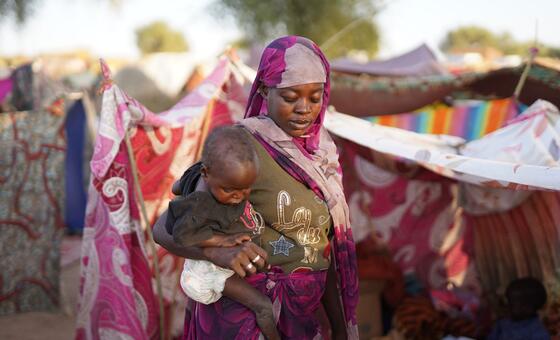
Women First to Suffer Under Siege in Sudan
Qinilo.com – Women first to suffer under siege are also among the first to respond when conflict destroys daily life in Sudan. Across communities affected by war, women have endured hunger, displacement, violence and the collapse of essential services while organizing food assistance, sharing information and supporting neighbours in crisis.
The conflict in Sudan began on 15 April 2023, when fighting erupted between the Rapid Support Forces (RSF) and the Sudanese Armed Forces (SAF). Since then, families have faced disrupted healthcare, failed communications, restricted access to money and growing difficulty finding food, water and safety.
Surviving the siege of Khartoum
Journalist and activist Tahani Al-Numeiri was in Khartoum when fighting began. At first, she thought the explosions nearby were wedding celebrations. She had never expected war to become part of her own life.
“I never imagined my life would turn out just like in the movie,” she said.
As fighting engulfed the capital, Ms. Al-Numeiri and her family became trapped. Banks, communications and basic supplies became unreliable, leaving residents with few options. Her family survived on boiled wheat and burned furniture when fuel was unavailable.
Contaminated water, malnutrition and a lack of medical treatment caused her health to deteriorate severely. Her family feared she would not survive.
“My body was swollen, my skin was peeling, scabs were coming off. I had a severe fever, and there was blood in my eyes. I could not even see anyone next to me. My family had given up. They said I was going to die,” she said.
She lived through the night. After government troops retook Khartoum in March 2025, she focused on helping others who had endured the same conditions.
Turning survival into local action
Ms. Al-Numeiri first connected with local aid efforts while collecting food from a communal kitchen for her family. The ration available was only two spoonfuls of lentils. When the woman running the kitchen learned that she was a journalist, she encouraged her to document what people were facing.
She began volunteering at the kitchen and posting videos about the impact of the war on women and children. Her reporting reached wider audiences online and helped draw attention to communities in need.
Women first to suffer under siege often become indispensable local responders because they remain closely connected to households experiencing the greatest hardship. They can identify families without food, people unable to flee and women needing support long before formal assistance arrives.
Women remain at risk in El Fasher
In El Fasher, hundreds of miles southwest of Khartoum, the RSF laid siege to the city in October 2025. Amna Mohamed*, who leads a women-led organization supported by UN Women in North Darfur, remained in the city to continue helping women in her community.
Her organization provides meals and financial support. Many people have been unable to leave, including those caring for older relatives, people with disabilities and other dependents, as well as households unable to afford transport.
Residents who remain have faced bombardment, high prices, food shortages and limited healthcare. Mohamed said women are frequently exposed to the earliest and most severe effects of these conditions.
“They may beat or rape you, and sometimes they loot your belongings. Sometimes they demand that you leave your home; they may kill your husband or brothers right before your eyes, or they may take your daughters right in front of you and lead them away to unknown locations,” she said.
Her account shows how conflict intensifies existing responsibilities. Women may be trying to find food, water and medicine for their families while facing threats to their own safety and that of their children.
Women first to suffer under siege need sustained recognition and support for the work they are already carrying out. Women-led organizations are providing practical aid, maintaining community connections and ensuring that the experiences of those trapped by conflict are not overlooked.
Frequently Asked Questions
Why are women especially affected by siege conditions?
Women often carry major responsibilities for children, older relatives and people with disabilities. When food, water, healthcare and income disappear, these responsibilities become harder and more dangerous to manage.
How are women responding to the crisis in Sudan?
Women are running communal kitchens, providing meals and financial support, identifying urgent needs and documenting the consequences of war for their communities.
What support do women-led groups need?
Women-led organizations need recognition, resources and reliable support so they can continue delivering assistance to people facing hunger, displacement, trauma and insecurity.