
UN honours blue helmets and calls for renewed investment in peace
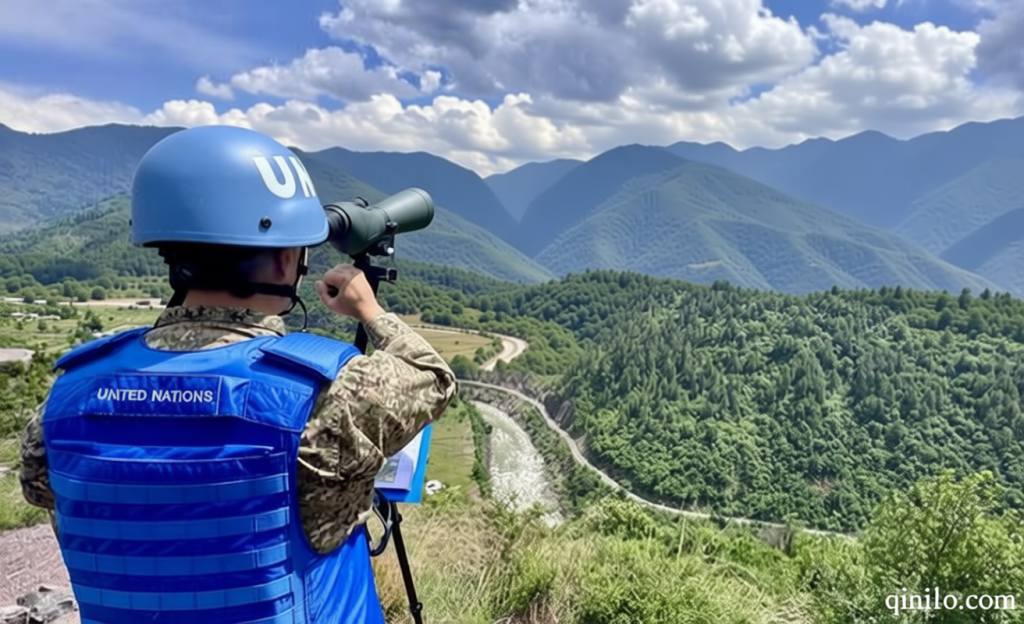
UN Honours Blue Helmets and Calls for Renewed Investment in Peace
Qinilo.com – The United Nations is celebrating the critical role of peacekeepers amid a global landscape marked by rising conflicts and constrained budgets. Secretary-General António Guterres has urged stronger political commitment and consistent financial backing for the “blue helmets” who risk their lives in volatile regions to maintain peace. This push comes as the international community faces mounting pressure to address the escalating demands of peace operations.
The Scope of Peacekeeping Efforts
As of now, over 50,000 individuals—civilian, military, and police—serve under UN mandates across 11 active missions. These personnel are tasked with a wide array of responsibilities, from enforcing ceasefires and delivering humanitarian aid to clearing landmines and safeguarding civilians. Their work spans diverse environments, often requiring them to navigate complex political landscapes and direct threats to their safety.
Peacekeeping operations are unfolding in an era where conflicts are not only more frequent but also more intricate. Emerging challenges such as the exploitation of digital tools and the proliferation of false information have added layers of difficulty. These issues, coupled with traditional threats, have created a more precarious environment for peacekeepers to operate in.
International Day of UN Peacekeepers: A Focus on Investment
On 29 May, the International Day of UN Peacekeepers is observed, marking the 78th anniversary of the first peacekeeping mission launched in 1948. This year’s theme, “Invest in Peace,” underscores the necessity of sustained political and financial support for peacekeeping initiatives. Guterres emphasized that such missions remain one of the most effective means of stabilizing regions on the brink of chaos, ensuring civilian safety, and fostering political dialogue.
In a message to commemorate the day, the Secretary-General reiterated that peacekeeping is not just a reactive measure but a proactive strategy for long-term conflict resolution. He noted that the operation’s success depends on the international community’s ability to provide reliable resources, a challenge that has grown more pronounced in recent years. The UN chief also highlighted the human cost, recalling the nearly 4,500 peacekeepers who have lost their lives since the inception of the missions, including 59 in the past year alone.
“United Nations peacekeepers continue to protect civilians, prevent violence from escalating and keep hope alive in some of the world’s most difficult environments,” said Jean-Pierre Lacroix, Under-Secretary-General for Peace Operations. He further asserted that investing in peacekeeping is an investment in stability, offering a tangible path toward enduring peace.
Recognizing Courage and Innovation
On 5 June, the UN will commemorate two peacekeepers with the Captain Mbaye Diagne Medal, the highest honor bestowed upon individuals in the organization’s peacekeeping force. The ceremony, scheduled at the UN Headquarters from 10:00 AM to 12:00 PM EST, will be broadcast live on UN Web TV, providing global audiences with a glimpse into the bravery of those serving in harm’s way.
The medal will be presented to a representative of Uruguay’s Permanent Mission to the United Nations, honoring the legacy of Sgt. Reyes, who remains active in the Democratic Republic of the Congo. Meanwhile, Major Barak will be recognized for her innovative contributions to peacekeeping, particularly in southern Lebanon. As Engagement Team Commander and Gender Focal Point within the Indian Battalion, she has pioneered initiatives that integrate gender considerations into military operations and civil activities.
Major Barak’s efforts have included extensive outreach to women and girls, fostering programs that promote vocational training, education, and healthcare. These initiatives aim to empower communities and support recovery efforts in post-conflict settings. Her work has also introduced the Lebanon Gender Initiative, a cutting-edge platform leveraging AI to address gender-based violence. This system allows women and children to report incidents confidentially, while tracking grievances and connecting them with essential resources like helpline services and self-defense materials.
Stories of Sacrifice and Resilience
One of the recipients of the Captain Mbaye Diagne Medal, Mr. Prykhodko, was a helicopter pilot with the UN Mission in South Sudan (UNMISS). In March 2025, he volunteered to replace a less experienced crewmate during a high-risk air evacuation mission in Upper Nile State. His decision to step into the role, despite the dangers, proved vital as the team successfully extracted besieged soldiers. Tragically, Prykhodko was killed, and two of his crew members sustained injuries when their helicopter came under fire, even though the mission had been guaranteed safe passage.
His actions exemplify the selflessness required of peacekeepers. By taking on the perilous task, he not only ensured the safety of the soldiers but also demonstrated the importance of rapid response in conflict zones. The incident highlights the unpredictable nature of peacekeeping, where even well-planned operations can face sudden threats.
Another recipient, Sgt. Reyes, served in Goma as part of the UN Stabilization Mission in the Democratic Republic of the Congo (MONUSCO) in January 2025. During fierce clashes between the Congolese Armed Forces and the M23 rebel group, he remained steadfast in securing the mission’s base. Reyes repeatedly exposed himself to heavy fire to rescue wounded soldiers seeking shelter within the UN compound. His dedication extended to transporting 12 critically injured personnel to a temporary medical tent, a feat that saved numerous lives despite the risks involved.
Guterres’ remarks during the International Day of Peacekeepers also serve as a reminder of the enduring challenges faced by these individuals. He stressed that reduced funding and political will could jeopardize the effectiveness of peacekeeping, especially as conflicts become more protracted and complex. His call to action underscores the need for a unified approach to maintaining global stability through these vital operations.
As the UN continues to honor the courage of its peacekeepers, the organization remains committed to expanding their reach. The stories of Prykhodko, Reyes, and others like Major Barak illustrate the diverse ways in which peacekeepers contribute to global security, from direct combat to innovative solutions that empower vulnerable communities. Their work, though often unseen, is foundational to the UN’s mission of fostering peace and protecting those in need.