
South Sudan: UN acts ahead of drought to protect thousands
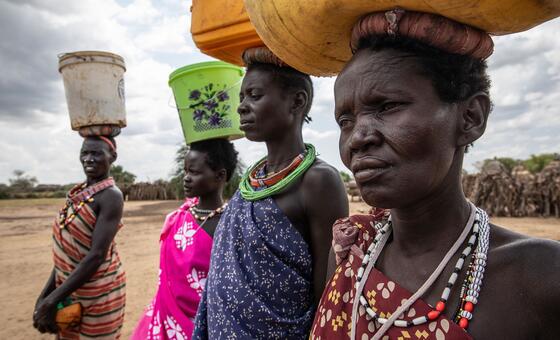
South Sudan Drought: UN’s Proactive Measures to Protect Thousands
Qinilo.com – As the threat of drought intensifies across South Sudan, the United Nations has taken decisive action to shield vulnerable communities from the impending crisis. This initiative, which marks a significant shift in the country’s approach to climate emergencies, targets over 65,000 South Sudanese individuals in regions like Eastern Equatoria, where resource scarcity could lead to severe humanitarian consequences. By acting ahead of the disaster, the UN aims to prevent food insecurity, displacement, and the deterioration of already fragile living conditions.
The Importance of Anticipatory Action in South Sudan
South Sudan’s government, in collaboration with the United Nations, has launched an anticipatory action plan that combines scientific forecasting with pre-funded resources to address climate shocks before they escalate. This strategy reflects a growing recognition of the need for early intervention in a country prone to environmental instability. According to the latest reports, the plan is designed to respond to potential drought conditions in Budi and Kapoeta North counties, areas that have historically faced challenges due to irregular rainfall patterns and limited infrastructure.
The initiative underscores the critical role of preparedness in mitigating the effects of climate-related disasters. By leveraging data-driven insights, the UN and local authorities can allocate aid more effectively, ensuring that resources reach those most at risk. This approach not only helps prevent crises from worsening but also empowers communities to take proactive steps in safeguarding their livelihoods. South Sudan’s recent efforts highlight a commitment to resilience-building in the face of unpredictable weather and socio-economic challenges.
Targeted Support for Vulnerable Populations
A key component of the UN’s strategy involves distributing cash assistance to 52,751 South Sudanese households, covering essential food and income needs. This support is crucial in regions where access to markets is limited, helping families maintain their purchasing power and avoid drastic measures like selling livestock or assets to survive. The aid also aims to stabilize local economies by encouraging continued demand for food and supplies, reducing the likelihood of widespread panic during resource shortages.
Complementing financial aid, awareness campaigns are being rolled out to educate over 65,000 South Sudanese individuals on drought preparedness. These efforts focus on practical guidance, including water conservation techniques, livestock care, and sustainable agricultural practices. By equipping communities with knowledge and tools, the initiative seeks to foster long-term resilience. For example, farmers are being trained to implement soil preservation methods, while families are learning how to store water and diversify their diets to reduce dependency on single food sources.
The integration of predictive modeling and early warning systems has been pivotal in enabling rapid response to environmental changes. These technologies allow aid organizations to anticipate resource gaps and deploy support before conditions worsen. South Sudan’s adoption of this framework demonstrates a strategic shift from reactive to proactive disaster management, aligning with global best practices. The success of such measures depends on timely data sharing between national and international agencies, ensuring that interventions are both targeted and timely.
Funding and Collaboration for Climate Resilience
Significant financial backing for the drought preparedness initiative has come from international partners, including the Korea International Cooperation Agency (KOICA) and Germany. Together, they have contributed over $2.45 million to support the country’s efforts in addressing climate-related threats. Earlier funding from Ireland and KOICA laid the groundwork for South Sudan’s anticipatory action framework, including the development of this specific drought strategy. This collaboration highlights the importance of sustained international support in strengthening the nation’s capacity to respond to crises.
South Sudan’s government has also played a vital role in coordinating the initiative, ensuring that local needs are prioritized. The partnership with the UN World Food Programme (WFP) and other agencies reflects a unified approach to tackling food insecurity and climate vulnerabilities. By working together, these organizations can maximize the impact of their interventions, targeting regions and populations most at risk. The UN’s proactive measures are a testament to the growing importance of climate resilience in South Sudan’s development agenda.
As the drought threat looms, the UN’s early actions in South Sudan serve as a model for other countries facing similar challenges. This initiative not only addresses immediate needs but also lays the foundation for future preparedness. By investing in predictive systems and pre-funded resources, South Sudan can better navigate the complexities of climate change, ensuring that its people are not left to fend for themselves in times of crisis. The success of this strategy could influence global efforts to combat climate-related disasters, offering a blueprint for early intervention.