
DR Congo: Ebola outbreak still expanding, WHO sees signs of stabilization
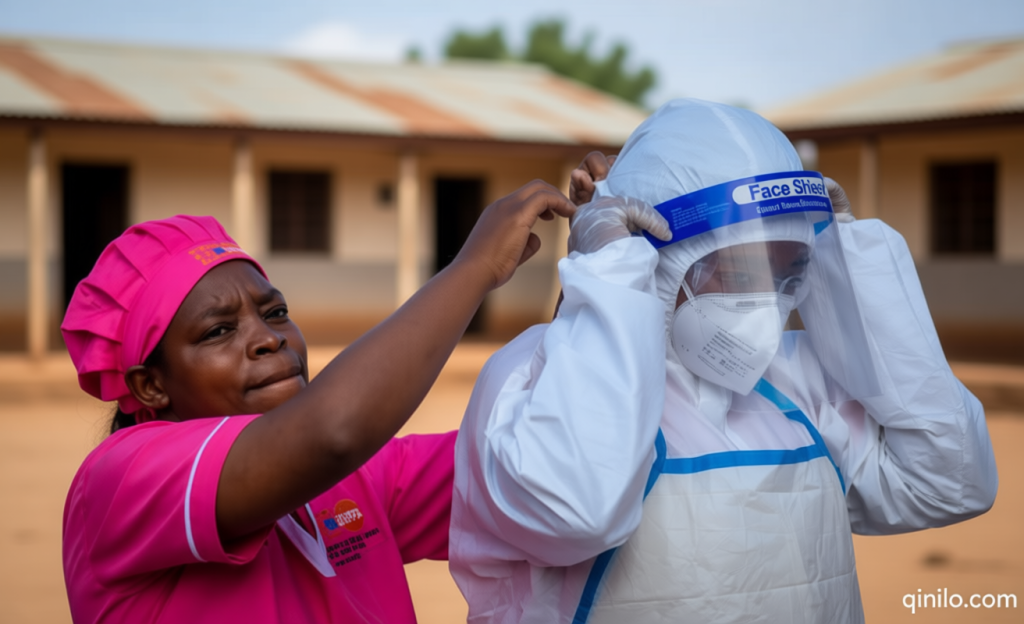
Ebola Crisis Continues to Spread Across Eastern Congo
Qinilo.com – United Nations medical personnel and allied organizations are working tirelessly to curb the swift progression of Ebola within the Democratic Republic of the Congo. Despite persistent security challenges in the eastern territories where the illness has established itself, containment efforts remain underway. According to official government figures released on July 19, the nation has documented 2,423 infections, resulting in 967 fatalities alongside 469 patient recoveries.
Regional Impact and Key Statistics
Dr. Thierno Baldé, serving as the World Health Organization’s Incident Manager, provided insight into the geographic distribution of the crisis. He noted that while five provinces have been affected, Ituri stands as the primary hotspot. This region alone represents over ninety percent of all recorded cases and accounts for eighty percent of the deaths.
“The outbreak has been reported in five provinces, but the province of Ituri remains the epicentre of the outbreak, accounting for more than 90 per cent of cases and also 80 per cent of deaths.”
Beyond Ituri, the remaining affected areas include North Kivu, South Kivu, Haut-Uele, and Tshopo. All of these territories lie within eastern DRC, where armed militia activity continues to disrupt daily life and community safety.
Virus Characteristics and Response Efforts
Communicating with reporters from Bunia—the capital city of Ituri and central point of the outbreak—Dr. Baldé confirmed that the Bundibugyo virus variant is reaching additional locations. The combination of long-standing instability, conflict threats, and highly mobile populations, including many displaced individuals, has created favorable circumstances for transmission.
This particular strain emerged on May 15 and currently holds the distinction of being the most rapidly expanding Ebola epidemic ever documented. Unlike other variants, the Bundibugyo form lacks both an approved vaccine and established treatment protocols. Historically, during separate outbreaks in Uganda (2007) and the DRC (2012), approximately thirty percent of those infected succumbed to the disease.
Initial symptoms often resemble influenza, potentially obscuring diagnosis. As the illness progresses, patients experience intense hemorrhaging, with mortality rates reaching roughly forty percent.
Strategic Interventions and Progress
WHO personnel are customizing their approach to address the unique requirements of each impacted zone. Priority has been given to expanding burial practices that are both safe and respectful, strengthening referral networks, and enhancing clinical management capabilities within zones experiencing active transmission.
“Let’s be very clear, this outbreak remains ahead of us and we are still in the phase of catching up.”
Recent developments in Kisangani, located within Tshopo province, offer optimism. Through deployment of rapid response teams under a coordinated strategy, officials have observed no secondary infections. The five confirmed cases there originated from Ituri. Similar expansion plans target locations such as Katwa and Butembo.
Additionally, a new initiative focuses on strengthening border controls along the Congo River, recognized as an essential transportation corridor demanding swift implementation of preventive measures.
“The main strategy is to implement a very strong, very effective and very timely response to contain the affected areas by identifying, by doing in-depth investigation of the cases, listing and following all of the contacts.”
Community engagement remains vital, with teams encouraging residents to accept medical interventions and participate in follow-up care programs.
Emerging Signs of Control
Despite ongoing obstacles, positive indicators are appearing. Mongbwalu, the site where health officials first identified the outbreak, demonstrates stabilization patterns. A comparable trajectory is visible in Goma, situated within North Kivu province.
“Mongbwalu is currently showing some signs of stabilization with a similar trend in Goma, North Kivu province.”
As WHO continues its comprehensive response, the focus remains on containing the virus through systematic case investigation, contact tracing, and community mobilization across all affected regions.
Related SEO Topics
- Home
- Artikel terkait DR Congo
- World News in Brief: Appeal for calm in Kashmir, women on the move, increased Ebola deaths in communities, 12th anniversary of MH17
- WHO warns DR Congo Ebola outbreak is outpacing response as Uganda reaches milestone
- ‘This is a fire’: DRC Ebola outbreak is fastest-growing ever, warns WHO
- International Criminal Court ‘a critical cog’ in global justice efforts
Frequently Asked Questions
What is DR Congo?
DR Congo is the main topic covered in this article, with practical context to help readers understand the subject clearly.
Why does DR Congo matter?
DR Congo matters because it helps readers compare options, avoid common mistakes, and make a more informed decision.
How should readers use this DR Congo guide?
Use the key points, examples, and related links in this page as a starting point, then review the latest details before making a final decision.