
‘This is a fire’: DRC Ebola outbreak is fastest-growing ever, warns WHO
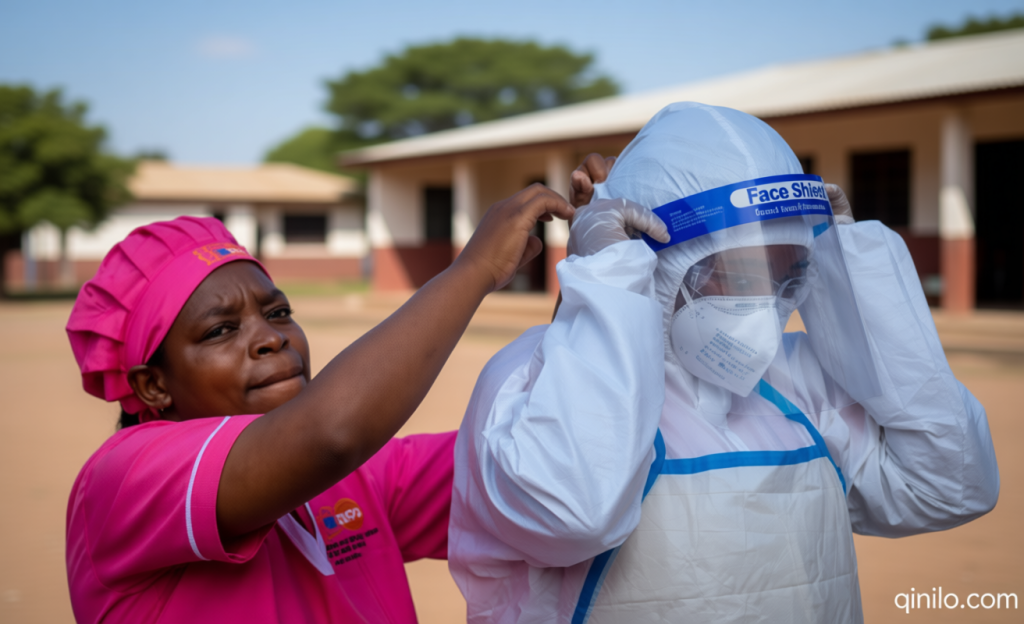
‘This is a fire’: DRC Ebola Outbreak Surpasses Previous Records
Qinilo.com – The Democratic Republic of the Congo (DRC) is experiencing a surge in infections from the Bundibugyo strain of Ebola, marking the highest level of cases ever recorded. According to the UN World Health Organization (WHO), the majority of new cases are emerging from untraceable transmission networks, raising concerns about the outbreak’s trajectory.
Dr. Chikwe Ihekweazu, head of WHO’s Health Emergencies Programme, shared these warnings during a press briefing in Geneva. He emphasized that as of 11 July, nearly 2,000 confirmed cases and over 700 deaths have been reported across five provinces, with the outbreak now classified as the third-largest in history.
“We’ve seen the fastest growth in a single month since the outbreak began, and this is the most intense spread we’ve managed,” Ihekweazu stated.
In recent days, the number of new infections has spiked dramatically, with more than 80 cases confirmed in a single 24-hour period. This has alarmed officials, particularly because many of the fatalities occurred in communities without access to healthcare facilities or treatment.
Despite advancements in diagnostic tools and high engagement with contacts, Ihekweazu noted that 80% of new cases fall outside tracked networks. “This suggests the virus is spreading in ways we haven’t fully understood yet,” he explained.
Outbreak Expansion and Strategic Response
Declaring the outbreak two months prior, WHO models predict its scale could be up to four times the reported cases. “Picture this as a fire,” Ihekweazu said. “There’s a source driving it, and it’s also spreading outward.”
While 95% of cases originate in Ituri Province, the virus has recently extended to Haut-Uele and Tshopo. The response strategy focuses on intensifying efforts in the epicenter while identifying “travel routes” to forecast emerging risks.
Global Collaboration and Community Trust
Ihekweazu urged the global community to remain hopeful despite the rapid spread. “Our work is yielding results,” he said, though challenges persist. Clinical trials for therapies are ongoing, but no treatment has been approved for the Bundibugyo strain yet. Early supportive care, however, significantly improves survival rates.
Addressing recent attacks on healthcare workers and facilities, Ihekweazu highlighted the importance of transparency. “We invite local leaders to witness the care being delivered before opening new centers,” he said, stressing that trust is vital to prevent further violence.
Preventing such attacks requires demonstrating that patients receive not only medical attention but also essential support like food and family access. Ihekweazu also pointed out a gap between the severity of the threat and the current response. “We need the world to unite out of self-interest, not just compassion,” he emphasized.
International Negotiations and Pandemic Preparedness
At WHO headquarters, Member States are finalizing the Pandemic Agreement, with particular focus on the Pathogen Access and Benefit Sharing (PABS) annex. This document aims to ensure rapid sharing of genetic data on dangerous pathogens and equitable access to vaccines and treatments in developing nations.