
International Criminal Court ‘a critical cog’ in global justice efforts
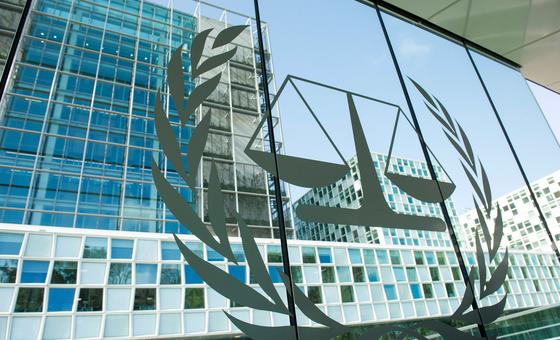
International Criminal Court ‘a Critical Cog’ in Global Justice Efforts
Qinilo.com – The International Criminal Court (ICC) has been described as a critical cog in the global justice system, a role that remains central to ensuring accountability for severe crimes such as genocide, war crimes, and aggression. In a recent press briefing, UN Spokesperson Stéphane Dujarric reiterated the Court’s importance, addressing concerns about its standing amid growing criticism from the United States. The U.S. has long advocated for reforms to the ICC, arguing that its authority should be tempered to protect national sovereignty. However, Dujarric emphasized that the ICC’s independence from the UN Secretariat does not diminish its significance in upholding international justice.
The ICC’s Role in Global Justice
Established in 2002 by the Rome Statute, the ICC serves as a permanent institution for the prosecution of individuals responsible for crimes of international concern. Its mission is to provide justice for victims of atrocities when national courts are unable or unwilling to act. Dujarric highlighted that the Court has already delivered landmark verdicts, including the conviction of Congolese warlord Thomas Lubanga for conscripting children into armed conflict. These cases underscore the ICC’s role in holding powerful leaders accountable, even when they are not from the United Nations’ member states. As a critical cog in global justice, the ICC bridges the gap between national legal systems and international law, offering a unified approach to addressing crimes that transcend borders.
Despite its growing influence, the ICC faces challenges in maintaining support from all member states. The U.S., while not a signatory to the Rome Statute, has expressed reservations about the Court’s jurisdiction, particularly in cases involving African nations. Critics argue that the ICC disproportionately targets African leaders, a perception that has fueled calls for reform. However, Dujarric noted that the Court’s structure allows for a balance between global justice and national sovereignty, ensuring that member states can choose to participate or opt out based on their legal and political priorities.
U.S. Criticisms and the Path Forward
U.S. Secretary of State Marco Rubio has been vocal in his criticism of the ICC, advocating for a diplomatic campaign to limit its authority. In an opinion piece published in The Wall Street Journal, Rubio emphasized the need for sovereign states to retain control over their legal systems, arguing that the ICC could override national laws and constitutional principles. While the U.S. has not joined the Rome Statute, it has supported the Court in certain cases, such as the prosecution of former Sudanese President Omar al-Bashir. This nuanced stance reflects the U.S. position as a critical cog in the global justice system, balancing advocacy for reform with strategic cooperation.
Rubio’s arguments highlight a broader debate about the ICC’s role in international law. He contended that the U.S. should not be subject to a global tribunal that could enforce judgments without national consent. This perspective aligns with the principle of state sovereignty, which is foundational to the United Nations Charter. However, Dujarric countered that international law, including the ICC, is a collective effort, designed to protect millions of people worldwide from human rights violations. The tension between sovereignty and global justice remains a defining challenge for the ICC as it continues to operate in an increasingly complex geopolitical landscape.
Recent actions by the U.S. have further intensified scrutiny of the ICC. Last year, Washington imposed sanctions on nine ICC officials, including judges and prosecutors, linked to investigations into alleged war crimes involving U.S. forces in Afghanistan and Gaza. These measures, while symbolic, signal a strategic effort to weaken the Court’s influence. Dujarric acknowledged the U.S. concerns but stressed that the ICC’s independence is vital for its effectiveness. The Court’s ability to function without undue political interference is a critical cog in its mission to deliver justice to victims of international crimes, regardless of their nationality or political status.
In response to the ongoing debate, the ICC has sought to strengthen its mandate and public support. Dujarric noted that member states have consistently reaffirmed their commitment to the Court, even as challenges persist. The ICC’s work in recent years has included trials for war crimes in Colombia, the Democratic Republic of the Congo, and the Central African Republic, demonstrating its critical role in addressing conflicts across the globe. As the Court continues to navigate the complexities of international justice, its ability to adapt and maintain relevance will determine its success in the years to come. The ICC remains a cornerstone of global efforts to hold perpetrators of atrocities accountable, a role that cannot be overstated in the pursuit of lasting peace and justice.