
In El Obeid, Sudanese women face drones by day, rape by night, to reach water
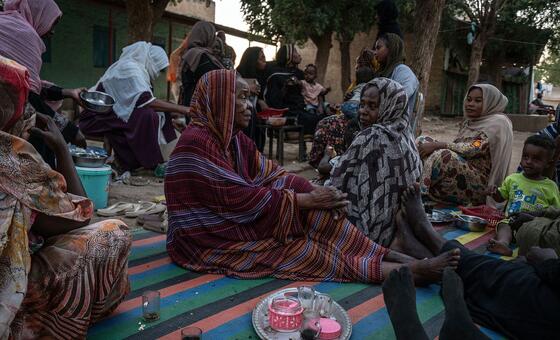
Water Collection Becomes Life-Threatening for El Obeid Residents
Qinilo.com – For women in El Obeid Sudanese women, the basic necessity of collecting water has transformed into a dangerous daily ordeal. They must navigate between two distinct threats: aerial strikes during daylight hours and sexual assault after dark. This dual menace leaves families with few safe options for securing this vital resource.
UN Women has highlighted this escalating crisis affecting Sudan’s North Kordofan capital. The organization emphasizes that neither time of day offers protection for women attempting to gather water for their households.
Unprecedented Threats to Civilian Safety
Anna Mutavati, serving as UN Women’s regional director for East and Southern Africa, provided context during a briefing from Nairobi regarding observations made in Geneva.
“In El Obeid, Sudan, drone attacks during the day and sexual violence at night have left no safe window for women and girls to collect water.”
This pattern of violence echoes similar situations documented in El Fasher during the previous year. Foreign-made aerial vehicles have increasingly been deployed across Sudan, extending military operations into populated civilian zones and threatening essential infrastructure.
Daytime drone strikes have specifically targeted water collection points and distribution centers. Women who wait until evening hours to collect water encounter different dangers, including harassment, rape, and various forms of sexual violence while filling their containers.
Strategic Importance Drives Conflict
El Obeid’s position along major transportation routes connecting Khartoum, Darfur, the wider Kordofan region, and southern Sudan has made it a critical military target since armed forces began fighting in April 2023.
The city houses more than half a million people, including 83,000 internally displaced residents. Most of these displaced individuals are women and children seeking protection from the ongoing violence.
Volker Türk, the UN’s human rights chief, warned in May that the conflict could enter a more deadly phase. Drone attacks alone killed at least 880 civilians during the first four months of 2026, accounting for over eighty percent of all documented civilian deaths during that period.
Health Emergencies Compound the Crisis
As the rainy season approaches its peak, fears of disease outbreaks are growing. Cholera cases are rising rapidly throughout Sudan, with the World Health Organization documenting 1,330 confirmed infections by early July.
Malnutrition adds another layer of vulnerability, especially for women and girls whose weakened immune systems make them more susceptible to illness. This nutritional emergency coincides with severely limited access to food and medical services, particularly in displacement camps.
Sexual Violence Used as Warfare Strategy
Over the past three years of conflict, sexual violence has become a calculated weapon. Survivors have described terrifying experiences of rape occurring in front of family members, often accompanied by severe physical abuse.
UN Women reports that women and girls needing gender-based violence support have quadrupled since fighting began, reaching approximately 12.7 million people in 2026.
Funding Shortages Impact Critical Programs
Women-led organizations remain essential support networks for Sudanese communities, reaching populations that other agencies cannot access. However, reduced funding has forced two-thirds of these organizations to either shut down or significantly cut operations.
Many groups have reduced their safe spaces and gender-based violence programs. Half of surveyed organizations expect to suspend activities or close completely within the year without urgent financial support.
Mutavati emphasized UN Women’s call for an immediate ceasefire, inclusive peace negotiations involving all parties, and a permanent end to hostilities.
The UN Fact-Finding Mission for Sudan recently reported concerning developments. The paramilitary Rapid Support Forces appear to be using tactics similar to those employed in El Fasher, surrounding El Obeid and targeting key infrastructure. These actions have heightened concerns that the city may face mass atrocities soon.