
Palestinians yearn for ‘a return to normal life,’ says top Middle East peace envoy
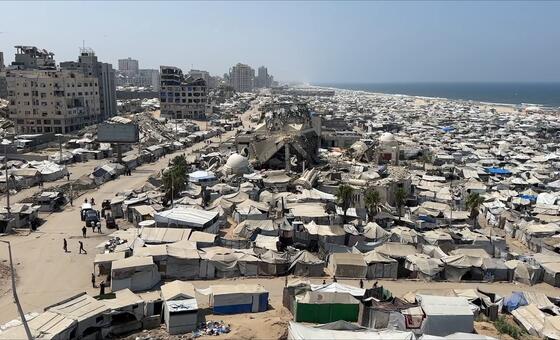
Gaza’s Recovery Hinges on More Than Emergency Aid
Qinilo.com – For many Palestinians in Gaza, the urgent desire is no longer limited to surviving day by day. Families want secure homes, functioning schools, clean water, healthcare and a chance to earn a living as they help restore their communities.
Ramiz Alakbarov, Acting UN Special Coordinator for the Middle East Peace Process, said the United Nations remains engaged in efforts to meet immediate needs in Gaza while supporting the longer and more difficult work of recovery. Humanitarian agencies and their partners are delivering aid for water, sanitation, shelter and medical care, while also assisting with debris removal, damaged infrastructure and support for vulnerable households.
These parallel needs illustrate the scale of the challenge. Emergency relief can help families through an immediate crisis, but recovery requires functioning public services, access to building materials and conditions that enable people to resume ordinary life with dignity.
Clean Water Remains a Central Concern
Food and nutrition supplies have reached people in need since the ceasefire, but access to enough safe water remains unresolved. Reliable water and sanitation systems are essential not only for drinking and hygiene, but also for preventing further public-health pressures in crowded and damaged communities.
“One year after the ceasefire, while progress was made – on bringing such essential elements like food items, and nutrition – we still have not resolved a very cyclical matter related to water and sanitation, people don’t have access to clean water in sufficient quantities .”
Restoring water networks is therefore one of the most important parts of rebuilding Gaza. The same is true for health services, which communities need for routine care as well as for the continuing effects of displacement, damaged facilities and disrupted access to treatment.
UN agencies, including the UN relief agency for Palestine refugees, UNRWA, continue operating in Gaza despite restrictions that affect their work. Their activities cover a range of services, but significant barriers still limit humanitarian access and the entry of supplies required for reconstruction.
From Tents to Homes, Schools and Work
Alakbarov stressed that Gazans are seeking a return to a stable life rather than another season of temporary shelter. Adequate housing is closely connected to other recovery goals: children need to return to education, adults need opportunities to work, and families need the ability to repair or rebuild homes and support themselves.
“Gazans are tired, they want back to normal life, they are asking to not live another winter in tents. They need better housing; they would like to work.
“They are asking for their children to be able to go back to school. And they would like to actively contribute to the recovery of their land and to rebuilding Gaza.”
The call for homes and livelihoods reflects the practical realities of recovery. Rebuilding physical structures matters, but so does restoring the ability of people to make decisions about their own futures. Grants intended to help families reestablish livelihoods are part of the wider assistance effort.
Education is equally central. When schools can operate, children regain learning opportunities and a measure of daily routine. Families also gain a source of stability in circumstances where displacement and uncertainty have affected nearly every aspect of life.
Rising Pressure in the West Bank
The humanitarian and political concerns are not confined to Gaza. In the occupied West Bank, Alakbarov described increasing tensions linked to settler violence, economic strain and restrictions affecting Palestinian communities.
These developments deepen the challenges facing civilians and add urgency to calls for their protection and for respect for international law. The situation also demonstrates why humanitarian work cannot be separated entirely from wider political conditions. Relief operations can address immediate hardship, but they cannot independently resolve the underlying sources of instability.
International support continues for a two-State solution in which Israel and Palestine live side by side in peace and security. Alakbarov said renewed efforts are needed to rebuild trust, reinforce Palestinian institutions and establish conditions for a credible political process.
Recovery and Diplomacy Must Move Together
Gaza’s recovery will depend on sustained access for humanitarian organizations, the entry of materials needed to repair essential infrastructure and a pathway for communities to rebuild homes and livelihoods. Water systems, medical facilities, schools and housing are not separate priorities; each affects whether families can return to a safer and more normal life.
The wider challenge is to connect humanitarian support with durable political progress. Without that, recovery efforts risk being repeatedly overtaken by renewed instability, restrictions and unmet needs. For Palestinians in Gaza, the objective remains clear: not simply the continuation of aid, but the restoration of the basic conditions needed to live, work, learn and take part in rebuilding their future.
Related Reading
Frequently Asked Questions
What is Palestinians yearn for a return to normal?
Palestinians yearn for a return to normal is the main topic of this guide. The article explains the context, practical details, and next steps readers should understand.
Why does Palestinians yearn for a return to normal matter?
Palestinians yearn for a return to normal matters because readers are looking for a useful answer, not just a short summary. Good content should match search intent and help them decide what to do next.