
World News in Brief: Reduced violence in Lebanon, shortages in Gaza, rising debt impacts development funding
World News in Brief: Lebanon, Gaza, and Global Debt Trends
Qinilo.com – In this week’s World News in Brief, international developments highlight a mix of relief and challenges across multiple regions. Southern Lebanon has seen a notable decrease in violence following a pivotal agreement between the U.S. and Iran, which brought an end to months of conflict. UN peacekeepers, including those from UNIFIL, have reported a significant drop in artillery exchanges and aerial strikes, signaling a shift toward stability. However, the situation in Gaza remains tense, with ongoing shortages of essential supplies impacting daily life and humanitarian efforts. Meanwhile, rising global debt levels are threatening development funding, particularly in developing nations, as highlighted by recent UN reports.
Lebanon’s Truce and Its Implications
The calm in southern Lebanon has been described as a “critical turning point” by UN officials, with hostilities between Israeli forces and Hezbollah easing after the U.S.-Iran deal. UN Spokesperson Stéphane Dujarric noted that the reduction in violence has allowed for increased movement and a respite for civilians. Yet, the UN mission continues to monitor the region closely, as unexploded ordnance and lingering tensions pose risks. Dujarric emphasized that while the immediate threat has lessened, long-term recovery will require sustained international support and coordination to rebuild infrastructure and restore economic stability.
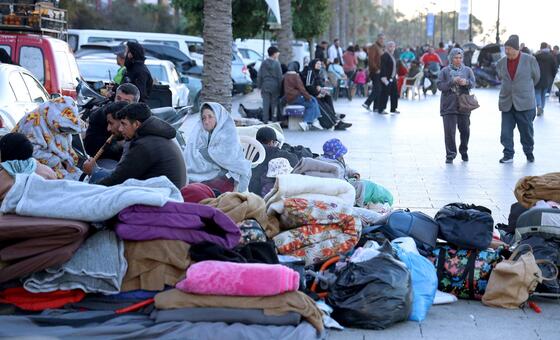
Displaced families in the area have begun returning to their communities, with Lebanese authorities reporting a drop in the number of people in collective shelters. This decline, from 134,000 to 124,000 over the past week, reflects progress but also underscores the ongoing need for humanitarian aid. The situation in southern Lebanon, however, remains complex, with periodic clashes and the continued presence of UNIFIL’s peacekeeping forces. The mission’s role extends beyond conflict monitoring, as it also facilitates dialogue and supports local efforts to rebuild trust and infrastructure in the region.
Humanitarian Crises in Gaza
Gaza continues to grapple with severe shortages of fuel, engine oil, and spare parts, which are disrupting critical services such as water supply and waste management. These challenges have compounded the already dire conditions for civilians, limiting their access to basic necessities. Despite these obstacles, UN agencies like the UNDP and UNICEF are working to deliver essential aid, including food and healthcare supplies. The World News in Brief highlights how such efforts are keeping communities afloat, though the scale of the crisis demands greater international attention and funding.
Recent reports from the UN Office for the Coordination of Humanitarian Affairs (OCHA) reveal that food aid has reached nearly 420,000 people in June, meeting 75% of their minimum caloric needs. This includes parcels of food and high-energy biscuits distributed through various channels. Livelihood programs have also expanded, supporting farmers and herders with animal feed and conditional cash assistance. Yet, the World News in Brief notes that these measures are temporary and require long-term solutions to address systemic issues like fuel shortages and infrastructure damage.
Global Debt and Development Funding
A recent UN report underscores the growing financial strain on developing countries, with rising debt costs squeezing development funding. The United Nations Conference on Trade and Development (UNCTAD) found that from 2018 to 2024, 99 developing nations—home to 5.5 billion people—experienced reduced fiscal flexibility due to increased interest payments. This trend has forced governments to allocate more resources to debt servicing, leaving fewer funds for critical areas such as education, healthcare, and climate resilience. The World News in Brief stresses the urgency of addressing this issue to ensure sustainable progress.
The study highlights how external borrowing rates, shorter repayment schedules, and sustained risk premiums have exacerbated the problem. Developing countries now receive only 11% of their investment funds from foreign sources, compared to 38% in developed economies. Over the past decade, external inflows have dropped by 18%, while domestic financing has risen by 60%. This shift reflects a growing reliance on local resources, but it also signals a potential slowdown in global development initiatives. The World News in Brief calls for greater transparency and debt restructuring to ease the burden on vulnerable nations.
Regional Disparities and Future Outlook
Africa, which received just 10% of global external funds in 2024, faces significant challenges in accessing international development support. The World News in Brief points to this as a key indicator of regional inequality, where developed economies continue to benefit from higher foreign investment. Meanwhile, the UN report warns that without intervention, the financial strain on developing countries could lead to stalled projects and reduced public services. The situation is further complicated by climate change and economic instability, which are increasing the demand for development funding.
As the World News in Brief underscores, the interplay of regional conflicts, humanitarian needs, and economic pressures demands a coordinated global response. The U.S.-Iran agreement in Lebanon offers a model for diplomatic engagement, while Gaza’s crisis highlights the urgency of aid distribution. The debt issue, however, requires long-term policy changes to prevent a decline in development progress. With these challenges, the World News in Brief remains a vital tool for tracking international developments and advocating for solutions that prioritize human welfare and economic stability.